Celestine V
Head of the Catholic Church in 1294
Cite this page
“Celestine V.” thisDay, thisday.info/people/celestine-v/. Accessed 2 Oct. 2026.
Celestine V. (n.d.). thisDay. Retrieved October 2, 2026, from https://thisday.info/people/celestine-v/
“Celestine V.” thisDay. Accessed October 2, 2026. https://thisday.info/people/celestine-v/.
Who was Celestine V?
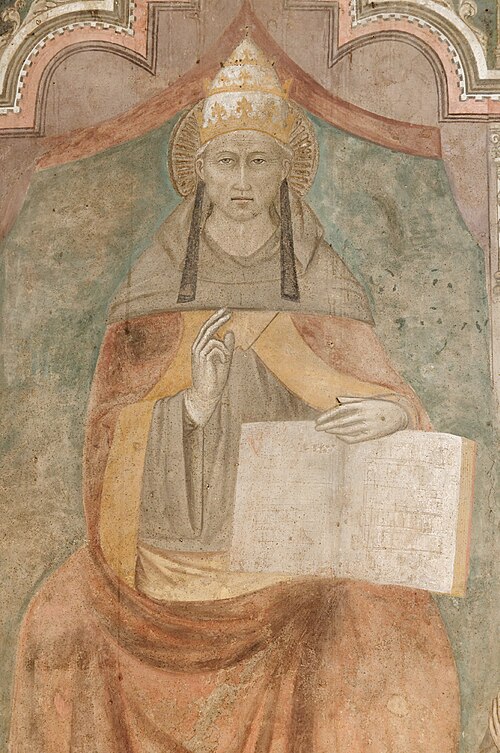
Pope Celestine V (Latin: Caelestinus V; 1209/1210 or 1215 – 19 May 1296), born Pietro Angelerio (according to some sources Angelario, Angelieri, Angelliero, or Angeleri), also known as Pietro da Morrone, Peter of Morrone, and Peter Celestine, was head of the Catholic Church and ruler of the Papal States for five months from 5 July to 13 December 1294, when he abdicated. Pope Celestine V, born Pietro Angelerio, also known as Pietro da Morrone, Peter of Morrone, and Peter Celestine, was head of the Catholic Church and ruler of the Papal States for five months from 5 July to, when he abdicated. He was also a monk and hermit who founded the order of the Celestines as a branch of the Benedictine order. He was elected pope in the Catholic Church's last non-conclave papal election, ending a two-year impasse.
Among the few edicts of his to remain in force is the confirmation of the right of the pope to abdicate; nearly all of his other official acts were annulled by his successor, Boniface VIII. On, a week after issuing the decree, Celestine resigned, stating his desire to return to his humble, pre-papal life. He was subsequently imprisoned by Boniface in the castle of Fumone in the Lazio region, in order to prevent his potential installation as antipope. Celestine was canonized on 5 May 1313 by Pope Clement V. No subsequent pope has taken the name Celestine. The story of Pope Celestine V offers a unique perspective on the history of the Catholic Church, highlighting the complex interplay between spirituality, politics, and power.
Historical significance
By examining the life and legacy of this enigmatic figure, readers can gain a deeper understanding of the Church's development and the ways in which its leaders have navigated the challenges of their time. This article provides a detailed examination of Pope Celestine V's life and legacy, including his election as pope, his time in office, and his abdication, as well as his impact on the Catholic Church and his continued influence on the world today. The article also explores the historical context in which Pope Celestine V lived, including the social, cultural, and religious currents that shaped his life and legacy, such as the writings of Peter Damian and the influence of the Benedictine order.
Life and career timeline: Celestine V
- 1214 Birth of Pietro Angelerio
- 1294 Elected Pope Celestine V
- 1294 Abdicated as Pope
- 1296 Died in prison at Fumone
- 1313 Canonized by Pope Clement V
Related on thisDay
Cite this page
“Celestine V.” thisDay, thisday.info/people/celestine-v/. Accessed 2 Oct. 2026.
Celestine V. (n.d.). thisDay. Retrieved October 2, 2026, from https://thisday.info/people/celestine-v/
“Celestine V.” thisDay. Accessed October 2, 2026. https://thisday.info/people/celestine-v/.