Daumantas of Pskov
Prince of Pskov from 1266 to 1299
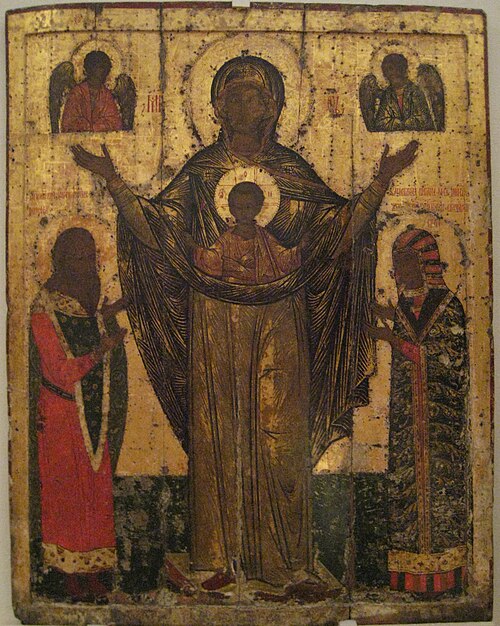
Cite this page
“Daumantas of Pskov.” thisDay, thisday.info/people/daumantas-of-pskov/. Accessed 2 Oct. 2026.
Daumantas of Pskov. (n.d.). thisDay. Retrieved October 2, 2026, from https://thisday.info/people/daumantas-of-pskov/
“Daumantas of Pskov.” thisDay. Accessed October 2, 2026. https://thisday.info/people/daumantas-of-pskov/.
Who was Daumantas of Pskov?
1221/1240 – 20 May 1299) was a Lithuanian nobleman who served as Prince of Pskov from 1266 until his death in 1299. Born on January 1, 1240, and died in Pskov during a plague outbreak. Daumantas had no connection to medieval Russia in his early life; he was originally a duke of Nalšia in the Kingdom of Lithuania before fleeing Lithuania as a result of internal political conflict. He sought refuge in Pskov, eventually becoming its prince. Under his leadership, Pskov asserted greater political autonomy and achieved de facto independence from Novgorod. He died in Pskov during a plague outbreak. From the time of his death, he has been venerated as the main patron saint of Pskov and the Russian army. He is venerated as a local saint, with his feast day commemorated on 20 May. The Russian Orthodox Church canonized him in the 16th century.
Daumantas was a Lithuanian nobleman who served as Prince of Pskov from 1266 until his death in 1299. Originally a duke of Nalšia in the Kingdom of Lithuania, he fled due to internal conflict and sought refuge in Pskov. Venerated as the main patron saint of Pskov and the Russian army, with his feast day commemorated on May 20.

Historical significance
Served as Prince of Pskov from 1266 to 1299, leading the city to greater autonomy and de facto independence from Novgorod. Achieved significant political autonomy for Pskov, establishing it as a major power in the region during his leadership. Played a crucial role in Lithuanian and Russian history, with his legacy enduring as a local saint in the Russian Orthodox Church.

Life and career timeline: Daumantas of Pskov
- 1240 birth
- 1266 became Prince of Pskov
- 1299 death
Related on thisDay
Cite this page
“Daumantas of Pskov.” thisDay, thisday.info/people/daumantas-of-pskov/. Accessed 2 Oct. 2026.
Daumantas of Pskov. (n.d.). thisDay. Retrieved October 2, 2026, from https://thisday.info/people/daumantas-of-pskov/
“Daumantas of Pskov.” thisDay. Accessed October 2, 2026. https://thisday.info/people/daumantas-of-pskov/.