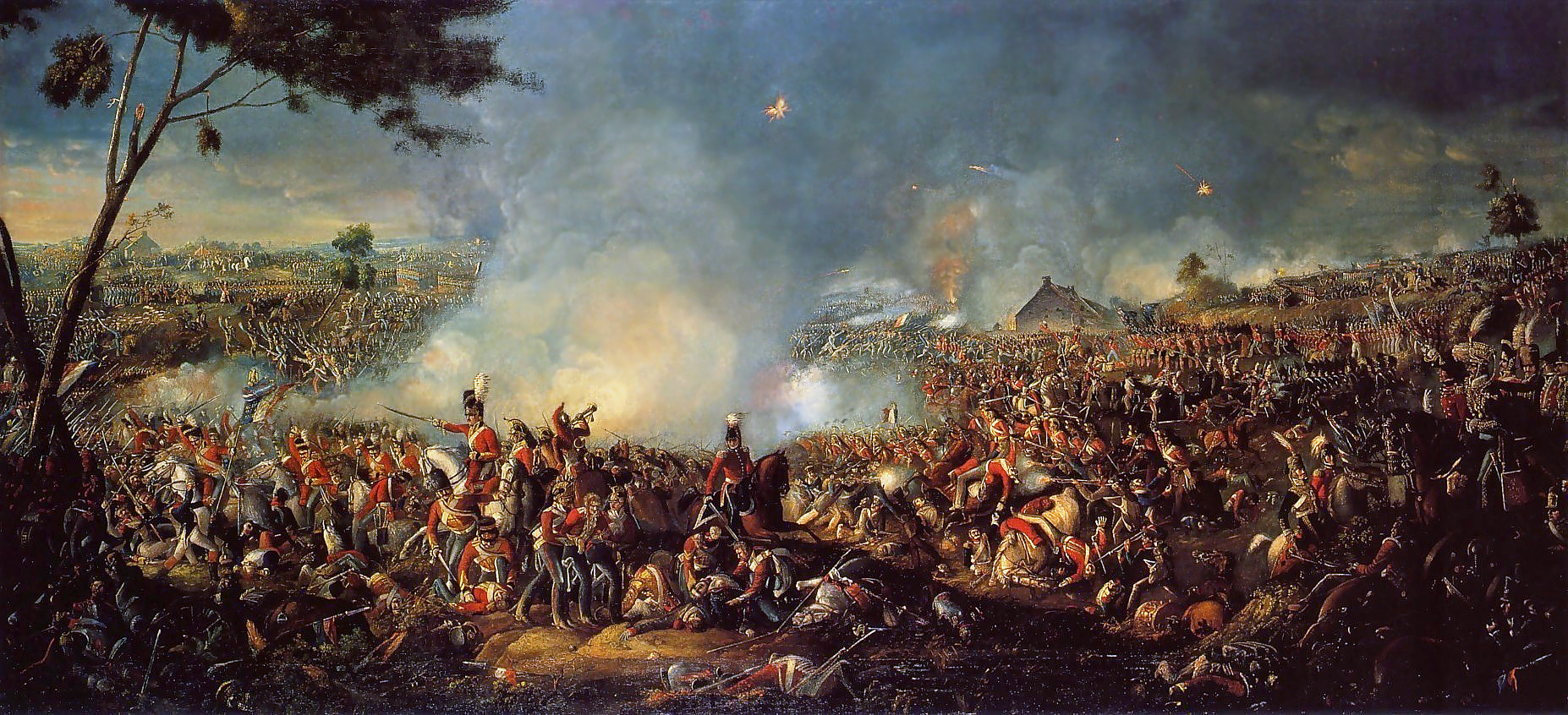
Slaves from plantations in Saint-Domingue hold a Vodou ceremony led by houngan Dutty Boukman
Confirmed Outcome
The Haitian Revolution was a successful insurrection by enslaved Africans against French colonial rule
Did You Know?
Did you know
The Haitian Revolution, also known as the Haitian War of Independence, was a successful insurrection by enslaved Africans against French colonial rule in Saint-Domingue, now the sovereign state of Haiti. The revolution was one of the only known slave rebellions in human history that led to the founding of a state which was both free from slavery (though not from forced labour) and ruled by former captives.
Did you know
The Haitian Revolution has often been described as the largest and most successful slave rebellion in the Western Hemisphere, with enslaved people initiating the rebellion in 1791 and succeeding in ending French control by 1803.
Did you know
Dutty Boukman (or Boukman Dutty; died 7 November 1791) was a leader of the Haitian Revolution. Born to a Muslim family in Senegambia (present-day Senegal and The Gambia), he was initially enslaved in Jamaica.
Did you know
Haitian Vodou is an African diasporic religion that developed in Haiti between the 16th and 19th centuries. It arose through a process of syncretism between several traditional religions of West and Central Africa and Catholicism.
Did you know
Vincent Ogé's 1790 revolt pressured the French Revolutionary government to grant citizenship to free Mulattoes in May 1791, contributing to destabilization and the slave revolt on August 21, 1791.
On August 14, 1791, enslaved people from Saint-Domingue plantations gathered at Bois Caïman for a Vodou ceremony led by Dutty Boukman. The Haitian Revolution was a successful insurrection by enslaved Africans against French colonial rule in Saint-Domingue. This revolution was one of the only known slave rebellions in human history that led to the founding of a state which was both free from slavery and ruled by former captives. The ceremony at Bois Caïman was a pivotal moment in the history of the Haitian Revolution. Dutty Boukman, the leader of the ceremony, played a significant role in the early stages of the revolution. The revolution would go on to have a profound impact on the institution of slavery in the Atlantic World.
White planters, petit blancs, free black people, enslaved people, and maroons each had distinct experiences and motivations. The French Revolution of 1789 introduced new concepts of human rights and universal citizenship, influencing the Haitian Revolution. The economy of Saint-Domingue was largely based on the production of sugar, coffee, indigo, and cotton, generated by an enslaved labor force. The revolution ultimately led to the end of French rule and the abolition of slavery in the former colony, with the ex-slave Toussaint Louverture emerging as one of its most prominent generals.
The economy of Saint-Domingue was based on commodity crops, including sugar, coffee, indigo, and cotton, which were traded for European goods. The ex-slave Toussaint Louverture emerged as one of the most prominent generals of the revolution, which ultimately ended with the former colony's independence on January 1, 1804.
Timeline: the road to this event and its aftermath
The Haitian Revolution continued with various groups playing significant roles. The Haitian Revolution was a complex event that involved the collaboration of already free people of color and the former slaves.
Vincent Ogé's 1790 revolt by free Mulattoes pressured the French Revolutionary government to grant them citizenship in May 1791, leading to further clashes with slave owners that destabilized Saint-Domingue and contributed to the slave revolt on August 21, 1791.
According to historical records, the Haitian Revolution was one of the only known slave rebellions in human history that led to the founding of a state which was both free from slavery and ruled by former captives. The revolution was influenced by the French Revolution, which represented a new concept of human rights and universal citizenship. The outcome of the Haitian Revolution was the former colony's independence on January 1, 1804.
Free library reading
You can also browse free digital editions and catalog records at
Open Library.
Evidence Map: How We Checked the Central Claim
What the sources verify and how they were used
This comparison separates the event page selected for the account from the independently verified page used to corroborate it.
Central claim checked: Slaves from plantations in Saint-Domingue hold a Vodou ceremony led by houngan Dutty Boukman at Bois Caïman, marking the start of the Haitian Revolution.
About this article
AI assisted with source research and drafting. Before publication, automated safeguards checked direct citations, independent corroboration of the central claim, factual consistency, and required article structure. The editor, Armin Kapetanović, reviews published articles, but that review can happen after publication, so errors may remain. Read our editorial process.
The direct historical sources used for the central event are listed above.
Images via Wikimedia Commons.
Found an error? Let us know.
Advertisement
Advertisement
Test Your Knowledge
Based on the article you just read — 5 questions, under a minute.
0 of 5 answered
History runs on facts, and this project runs on coffee!
Your support is incredibly helpful and genuinely appreciated.