
People in this story
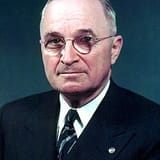
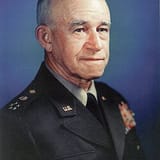
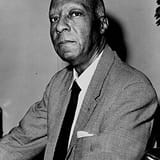
Key facts about Executive Order 9981
| Event | President Truman Orders Desegregation of the U.S. Armed Forces |
|---|---|
| Date | July 26, 1948 |
| Location | Washington, D.C. |
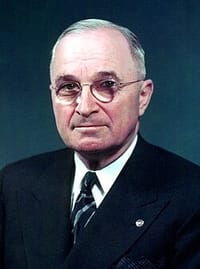
| Key Figure | President Harry S. Truman |
| Source Detail | The order declared equality of treatment and opportunity for all persons in the armed services regardless of race, color, religion or national origin. |
| Confirmed Outcome | The order abolished discrimination in the United States Armed Forces and led to their reintegration during the Korean War. |



Voices From the Movement
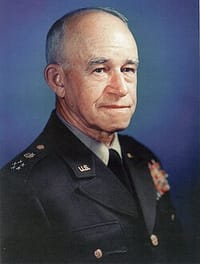
The clearest recorded reaction inside the military came from Army Chief of Staff General Omar Bradley, who told colleagues that the Army is not out to make any social reforms, a comment that captured the institutional resistance the order faced from its own high command. Truman forced Bradley to issue a public apology for the remark, a rare public rebuke of a senior general by a sitting president. The exchange shows that desegregation was not simply announced and accepted inside the services. Kenneth Claiborne Royall, Secretary of the Army since 1947, continued to resist the policy for nearly a year after Truman signed it, and by April 1949 Truman forced Royall into retirement as well.
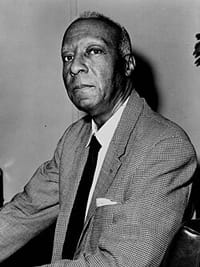
Truman's order did not emerge on its own. Civil rights organizer A. Philip Randolph, working with colleague Grant Reynolds, had spent 1947 building the Committee Against Jim Crow in Military Service and Training, later renamed to press exactly this demand on the White House. Randolph's campaign ran alongside a 1945 internal Army survey of 250 white officers and sergeants who had commanded a Black platoon, in which 77 percent reported a more favorable view of Black soldiers after that assignment and only about 5 percent of officers still rated Black infantry as inferior to white infantry, evidence the record cites against the case for continued segregation.
Timeline: the road to this event and its aftermath
- February 12, 1946 Isaac Woodard was attacked and blinded by South Carolina police after his honorable discharge
- June 1947 President Truman delivered a historic speech to the NAACP and the nation describing civil rights as a moral imperative
- February 1948 Truman asked Congress to act on the President's Committee on Civil Rights report and submitted a comprehensive civil rights bill
- July 26, 1948 President Harry S. Truman signed Executive Order 9981, desegregating the U.S. Armed Forces
- April 1949 Truman forced Secretary of the Army Kenneth Claiborne Royall into retirement for resisting desegregation
- September 1954 The last all‑black unit in the United States military was abolished
Rights Won, Resisted, and Enforced
Enforcement did not happen overnight. Dwight D. Eisenhower's administration, which ran from 1953 to 1961, carried out most of the actual desegregation work, including the integration of military schools, hospitals and bases. The order also eliminated Montford Point as a segregated Marine training camp, folding it into Camp Lejeune as a satellite facility. The last all Black unit remaining anywhere in the United States military was abolished in September 1954, more than six years after Truman signed the order. A committee that Truman's order created, the President's Committee on Equality of Treatment and Opportunity in the Armed Services, examined military rules and procedures under the chairmanship of Charles Fahy and issued its final report, titled Freedom to Serve, on May 22, 1950, before disbanding.
The Korean War, fought from 1950 to 1953, is where integration mostly took hold in practice, and the record states that by the end of the Korean conflict almost all of the military was integrated. Compliance was not universal even so. In contravention of Truman's order, the United States quietly agreed to a request from the Icelandic government not to station Black American soldiers at the Keflavik base, an arrangement tied to the 1951 United States Icelandic Defense Agreement that was only gradually phased out beginning in the 1960s. The record does not say exactly when that exception stopped.
The Fight That Continued
Executive Order 9981 reads today as a single, sweeping declaration, but the documented record shows a policy that took years of resistance, one forced apology and one forced retirement before it changed daily life inside the services. Truman used the authority available to a president once a divided Congress would not act, and that choice produced results Congress had not been willing to deliver. The Korean War, not the stroke of Truman's pen alone, supplied the operational pressure that finished the job the order started, and the Fahy committee supplied the institutional machinery that guided it in between.
The gap between Truman's order and its slowest holdout is the most concrete measure of how uneven the change was. Truman's order promised equality of treatment for every person in the armed services in 1948, and the last all Black unit did not disappear until September 1954, while at least one American base kept excluding Black soldiers into the 1960s at a foreign government's request. That six year distance, and that one deferred exception, are what the record actually confirms about how Truman's order moved from paper to practice.
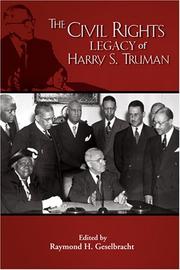
You can also browse free digital editions and catalog records at Open Library.
Analysis: Executive Order 9981
What the evidence supports and leaves unresolved
What the record supports
- Decisive Use of Executive Power: Truman had spent more than a year asking Congress to act on the President's Committee on Civil Rights recommendations, and when Southern senators threatened a filibuster in February 1948, he did not simply accept defeat. He issued Executive Order 9981 under his own constitutional authority as commander in chief, converting a policy Congress had refused to pass into a binding order for every branch of the armed services. The order took effect immediately as a matter of law rather than remaining a proposal awaiting a floor vote, which is why the change reached the services years before comparable civil rights legislation cleared Congress.
- Independent Oversight Committee: The order did not stop at a declaration of policy. It established the President's Committee on Equality of Treatment and Opportunity in the Armed Services, chaired by Charles Fahy, and gave it the task of examining existing military rules, practices and procedures and recommending the changes needed to put the new policy into effect. The committee completed that work and issued its final report, titled Freedom to Serve, on May 22, 1950, before it was formally dissolved. Building a dedicated review body into Truman's order gave desegregation an institutional mechanism instead of leaving compliance to each branch's own discretion.
- Wartime Integration Proven Workable: By 1953, the final year of the Korean War, the documented record states that almost all of the military had been integrated, a result achieved under the pressure of an active conflict rather than in peacetime conditions where resistance had been strongest. Combat units that had operated on a segregated basis absorbed replacements without regard to race as casualties mounted, showing in practice that the mixed units Bradley and other commanders had resisted could function under the most demanding conditions the armed services faced. That wartime outcome removed the practical objection that integrated units could not perform effectively together.
Limits and unresolved questions
- Nearly Six Years to Full Compliance: Truman signed the order in July 1948, yet the record states that the last all Black unit anywhere in the United States military was not abolished until September 1954, more than six years later. Kenneth Claiborne Royall, Secretary of the Army, continued to resist desegregating the Army for nearly a year after the order before Truman forced him into retirement in April 1949. The distance between the order's signing and the disappearance of the last segregated unit shows how far institutional compliance lagged behind the president's stated policy, even with a dedicated oversight committee in place.
- Open Resistance From Military Leadership: Army Chief of Staff General Omar Bradley told colleagues that the Army is not out to make any social reforms, a remark serious enough that Truman forced him to issue a public apology. That a sitting Army Chief of Staff would say this about a presidential order, and would need to be publicly corrected for saying it, is direct evidence that senior commanders inside the services did not treat the order as settled policy simply on the strength of Truman's signature alone. The resistance documented at the very top of the Army chain of command shows that compliance depended on continued presidential pressure rather than automatic institutional acceptance.
- A Documented Exception at Keflavik: Even after the order took effect, the United States quietly agreed to a request from the Icelandic government not to station Black American soldiers at the Keflavik base, an arrangement the record explicitly describes as being in contravention of Truman's executive order. Tied to the 1951 United States Icelandic Defense Agreement, this unpublicized policy was only gradually phased out beginning in the 1960s, more than a decade after Truman signed Executive Order 9981. The exception shows that a presidential order abolishing discrimination in the armed forces could still be quietly set aside at a specific overseas base when diplomatic considerations were judged to outweigh it.
What strikes us about Truman's order is how little the paperwork tells you about the fight required to make it real. Truman signed one page in July 1948 and declared equality of treatment settled policy, and then the record spends the next six years documenting an Army chief forced to apologize, a Secretary of the Army forced into retirement, and one American base that kept turning Black soldiers away at a foreign government's request into the 1960s. We keep coming back to the Keflavik exception specifically. It shows that even a clear order from Truman himself can be quietly set aside for years when nobody outside the base is watching closely enough to stop it.
Evidence Map: How We Checked the Central Claim
What the sources verify and how they were used
This comparison separates the event page selected for the account from the independently verified page used to corroborate it.
Central claim checked: Executive Order 9981 was issued on July 26, 1948, by President Harry S. Truman and abolished discrimination on the basis of race, color, religion or national origin in the United States Armed Forces.
| Direct source | Verification role | Coverage |
|---|---|---|
| Executive Order 9981 · Wikipedia Accessed 2026-07-26 | Selected event record | The order led to the re-integration of the services during the Korean War. |
| Executive Order 9981: Desegregation of the Armed Forces (1948) · National Archives Accessed 2026-07-26 | Independent corroboration | Truman established the President's Committee on Equality of Treatment and Opportunity in the Armed Services, chaired by Charles Fahy, whose final report Freedom to Serve was issued May 22, 1950. By the end of the Korean conflict, almost all of the military was integrated. |
You Might Also Like


What was Executive Order 9981?
The lead-up included Isaac Woodard was attacked and blinded by South Carolina police after his honorable discharge; President Truman delivered a historic speech to the NAACP and the nation describing civil rights as a moral imperative; Truman asked Congress to act on the President's Committee on Civil Rights report and submitted a comprehensive civil rights bill.
Key figures included Harry S. Truman, Omar Bradley, A. Philip Randolph.
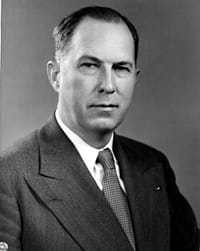
In the aftermath: Truman forced Secretary of the Army Kenneth Claiborne Royall into retirement for resisting desegregation; The last all‑black unit in the United States military was abolished.