People in this story
Explore this event
 The wider storyWhy did the Seneca Falls Convention keep the vote?The 1848 Seneca Falls Convention nearly abandoned the demand for women's suffrage. This explainer details how Frederick Douglass's intervention preserved the resolution against the wishes of key organizers like…Read the full history
 Key facts about the Seneca Falls Convention
| Event | The first Women's Rights Convention in Seneca Falls, New York |
|---|---|
| Date | July 20, 1848 |
| Location | Seneca Falls, New York |
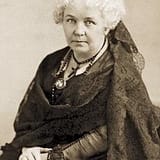
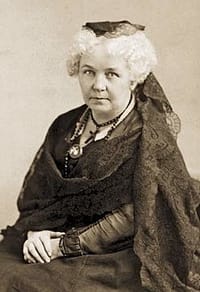
| Key Figure | Elizabeth Cady Stanton |
| Source Detail | The convention was held in the Wesleyan Chapel |
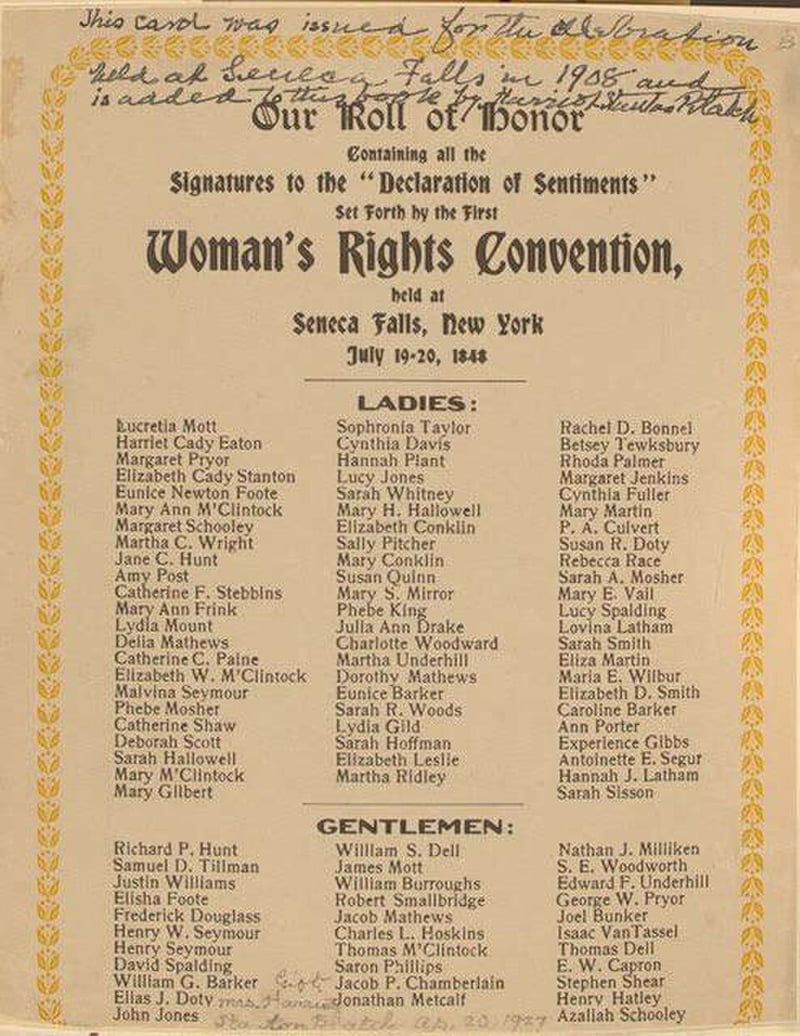
| Confirmed Outcome | Exactly 100 of approximately 300 attendees signed the Declaration of Sentiments |



Voices From the Movement
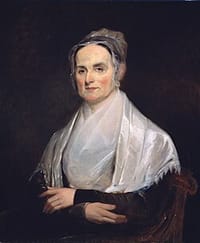
The historical record confirms that the Seneca Falls Convention was a groundbreaking event, with the presentation of the Declaration of Sentiments and the accompanying list of resolutions, which, after being debated and modified, were signed by exactly 100 of the approximately 300 attendees, and, as we can see from the accounts of the time, the event was organized by Elizabeth Cady Stanton and female Quakers, along with Lucretia Mott, who was known for her oratorical ability, a rare skill for non-Quaker women at the time, and, as Frederick Douglass's eloquent argument in favor of including women's right to vote demonstrates, the convention was a significant step in the women's rights movement.
The chronicle of the Seneca Falls Convention, while leaving some aspects unresolved, such as the specific details of the discussions and debates that took place during the convention, does provide a framework for understanding the context and significance of the event, and, as historians such as Judith Wellman have noted, the convention was part of a broader effort by women to gain greater rights and equality, with other women's rights conventions following in the years after the Seneca Falls Convention, including the Rochester Women's Rights Convention, which took place two weeks later.
Timeline: the road to The and its aftermath
- July 19, 1848 Seneca Falls Convention begins
- July 20, 1848 The first Women's Rights Convention in Seneca Falls, New York
- 1848 Rochester Women's Rights Convention
- 1850 First annual National Women's Rights Convention in Worcester, Massachusetts
Rights Won, Resisted, and Enforced
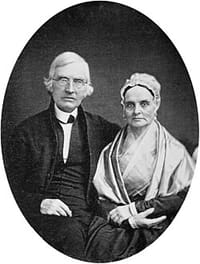
The conclusion of the Seneca Falls Convention on July 20, 1848, marked a significant moment in the history of the women's rights movement, with the formal signing of the Declaration of Sentiments by exactly 100 of the approximately 300 attendees, and, as the convention's organizers had advertised, the meeting was a forum to discuss the social, civil, and religious condition and rights of woman, and the event attracted widespread attention from the press and the public. The convention's Declaration of Sentiments became a key factor in spreading news of the women's rights movement across the country in 1848 and into the future, with its impact extending beyond the United States to inspire women's rights movements around the world. In the immediate aftermath of the convention, the Rochester Women's Rights Convention was organized two weeks later, and, in 1850, the first annual National Women's Rights Convention was established in Worcester, Massachusetts.
The convention's legacy continues to be felt, with the Declaration of Sentiments remaining a foundational document in the history of the American women's rights movement, and its impact extending beyond the convention itself to inform and inspire contemporary feminist movements and activism. The convention was seen by some of its contemporaries, including featured speaker Mott, as one important step among many others in the continuing effort by women to gain for themselves a greater proportion of social, civil and moral rights, while it was viewed by others as a revolutionary beginning to the struggle by women for complete equality with men.
The Fight That Continued
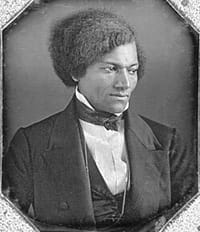
The Seneca Falls Convention concluded on July 20, 1848, with the signing of the Declaration of Sentiments by exactly 100 of the approximately 300 attendees, and, as we can see from the historical record, this document, presented by Elizabeth Cady Stanton and the local Quaker women, listed resolutions that were debated and modified during the sessions. The convention's legacy, which extends beyond its historical importance, continues to inform and inspire contemporary feminist movements and activism. In 1870, Paulina Wright Davis recalled the era, setting Reverend Charles Grandison Finney's decision to allow women to pray aloud in gatherings of men and women as the beginning of the American women's reform movement.
The convention's impact was significant, with its legacy extending beyond the local community to inspire women's rights movements across the United States. The Declaration of Sentiments, presented by Elizabeth Cady Stanton and the Quaker women, has become a foundational document in the history of the American women's rights movement, with its message of equality and justice resonating with women and men around the world. As we reflect on the event's significance, it becomes clear that the Seneca Falls Convention was a crucial moment in the history of the women's rights movement, and its legacy continues to be felt today.
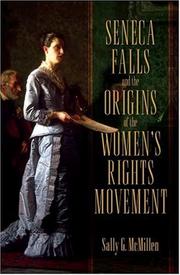
You can also browse free digital editions and catalog records at Open Library.
Analysis: Seneca Falls Convention
What the evidence supports and leaves unresolved
What the record supports
- Organizational Strength: The Seneca Falls Convention's organizers, including Elizabeth Cady Stanton and Lucretia Mott, demonstrated strength in planning and execution, as evidenced by the convention's ability to attract approximately 300 attendees and feature six sessions with various presentations and discussions, including a lecture on law and a humorous presentation, over July 19-20, 1848. The convention's success can be attributed to the organizers' ability to bring together a diverse group of individuals, including Frederick Douglass, who played a crucial role in advocating for women's right to vote. The organizers' commitment to creating a space for education, dialogue, and community-building helped to establish the convention as a significant moment in the history of the women's rights movement.
- Inclusive Participation: The convention's record shows that Frederick Douglass, the sole African American attendee, was able to argue eloquently for the inclusion of women's right to vote, and the suffrage resolution was retained in the final document, demonstrating the convention's willingness to consider diverse perspectives. The convention's organizers, including Elizabeth Cady Stanton and Lucretia Mott, brought together a group of individuals with diverse backgrounds and opinions. The convention's emphasis on creating a space for education, dialogue, and community-building helped to establish it as a crucial moment in the history of the women's rights movement.
- Documentary Legacy: The Declaration of Sentiments, presented by Elizabeth Cady Stanton and the local Quaker women, has become a foundational document in the history of the American women's rights movement, with exactly 100 of the approximately 300 attendees signing the document, and its impact was noted by historian Judith Wellman as a key factor in spreading news of the women's rights movement across the country in 1848 and into the future. The document's significance extends beyond its historical importance, as it continues to inform and inspire contemporary feminist movements and activism. The convention's legacy is evident in its influence on future women's rights movements, including the suffrage movement of the late 19th and early 20th centuries.
Limits and unresolved questions
- Limited Attendance: Despite the convention's significance, the record shows that only approximately 300 people attended the two-day event, and only exactly 100 signed the Declaration of Sentiments, which may indicate limited reach or support for the women's rights movement at the time. However, it is also important to consider the context in which the convention took place, including the limited transportation options and communication networks available at the time, which may have restricted attendance. The convention's organizers, including Elizabeth Cady Stanton and Lucretia Mott, faced significant challenges in promoting the event and attracting attendees, given the social and cultural norms of the time.
- Debated Resolutions: The convention's record reveals that the resolutions, including the suffrage resolution, were debated and modified during the sessions, which may suggest that there were differing opinions among the attendees, and the fact that Frederick Douglass had to argue for the inclusion of women's right to vote indicates that this issue was not universally accepted. This level of debate and discussion highlights the complexity and nuance of the issues being addressed, and demonstrates the convention's commitment to creating a space for open and honest dialogue. The convention's organizers, including Elizabeth Cady Stanton and Lucretia Mott, played a crucial role in facilitating these discussions and ensuring that the convention remained a productive and respectful forum for debate and discussion.
- Lack of Representation: The convention's record does not provide information on the representation of women from different socioeconomic backgrounds or geographic locations. The convention's organizers, including Elizabeth Cady Stanton and Lucretia Mott, brought together a group of individuals with diverse backgrounds and opinions. The convention took place in 1848.
We keep coming back to one thing: The first Women's Rights Convention in Seneca Falls, New York on July 19-20, 1848 at Seneca Falls, New York was not just a date on a timeline. The detail that stays with us is this: The first Women's Rights Convention in Seneca Falls, New York That is where the story becomes useful. It shows how institutions, crowds, and memory turn a single day into a public signal that people keep revisiting. The image matters, but the choices behind it matter more.
Evidence Map: How We Checked the Central Claim
What the sources verify and how they were used
This comparison separates the event page selected for the account from the independently verified page used to corroborate it.
Central claim checked: The first Women's Rights Convention in Seneca Falls, New York, a two-day event, concludes.
| Direct source | Verification role | Coverage |
|---|---|---|
| Seneca Falls Convention · Wikipedia Accessed 2026-07-20 | Selected event record | Supports the central claim shown above. |
| Report of the Woman · nps.gov Accessed 2026-07-20 | Independent corroboration | Supports the central claim shown above. |
You Might Also Like


What was the Seneca Falls Convention?
The lead-up included Seneca Falls Convention begins.
Key figures included Elizabeth Cady Stanton.
In the aftermath: Rochester Women's Rights Convention; First annual National Women's Rights Convention in Worcester, Massachusetts.