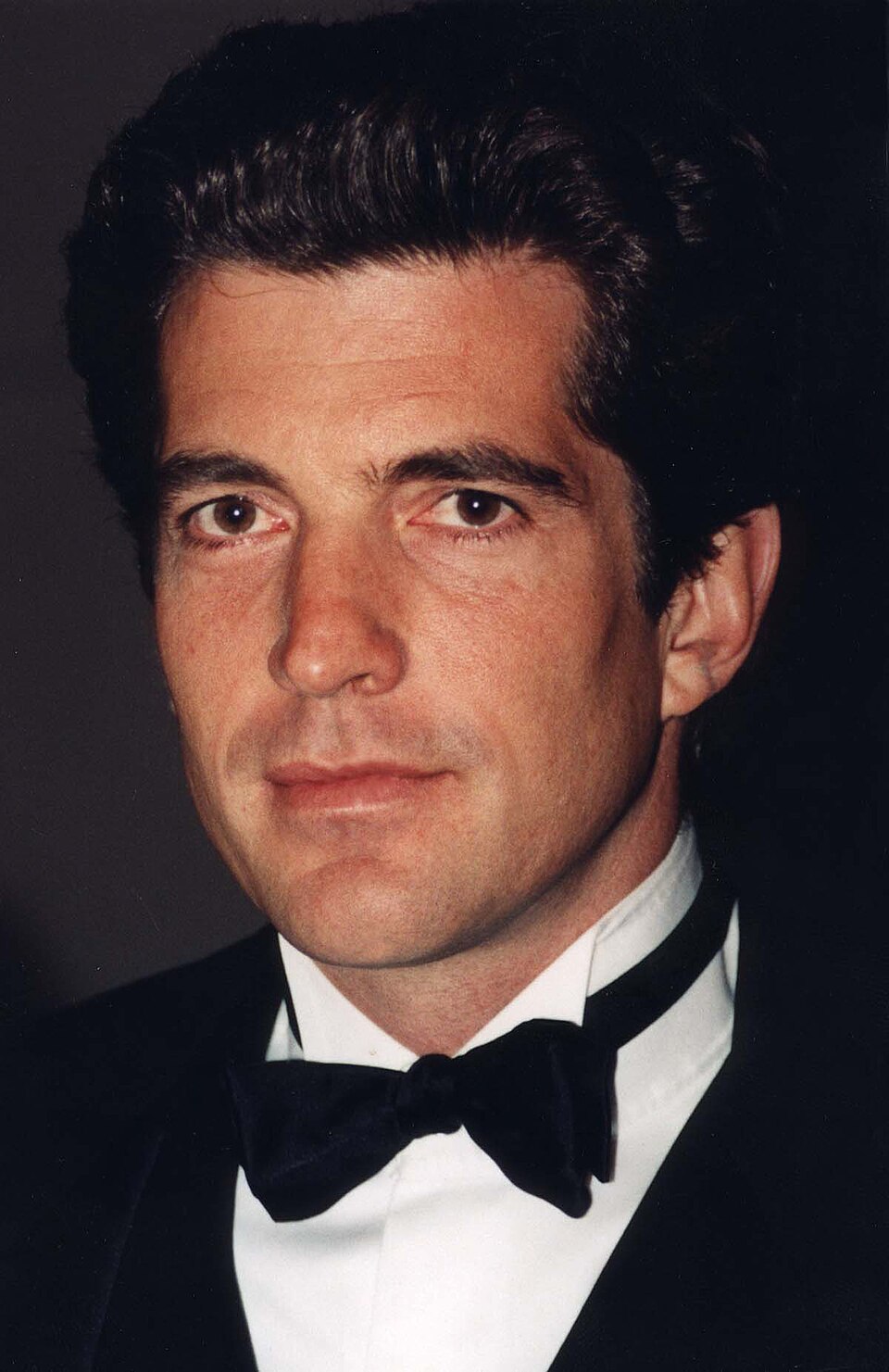
People in this story
Key facts about John F. Kennedy Jr.
| Event | John F. Kennedy Jr. Dies in Plane Crash |
|---|---|
| Date | July 16, 1999 |
| Location | Martha's Vineyard, Massachusetts |
| Key Figure | John F. Kennedy Jr. |
| Significance | Tragic death of John F. Kennedy Jr. and his family members |
| Legacy | Remembered as a prominent social figure and son of President John F. Kennedy |
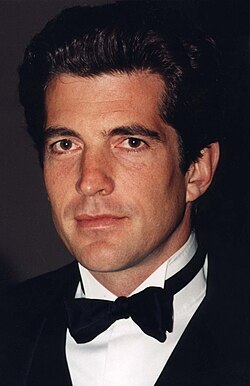



How the Death Was Reported

The Federal Aviation Administration (FAA) confirmed that John F. Kennedy Jr. was an experienced pilot, with a valid pilot's license and the required training for the Piper Saratoga, which he was flying on July 16, 1999, when it crashed into the Atlantic Ocean off the coast of Martha's Vineyard, Massachusetts, and although the exact circumstances leading to the crash are not fully detailed in the available source material, the FAA's investigation would have provided valuable insights into the causes of the incident, which was widely reported by media outlets, including NBC News and the New York Daily News.
According to an article in The New York Times on July 17, 1999, John F. Kennedy Jr.'s career and life were closely followed by the public and the media, and his death in the plane crash marked a tragic end to a life that had been filled with promise and potential, as he had worked as a magazine publisher, launching the political lifestyle magazine George in 1995, and had been involved in various philanthropic efforts, including a trip to Africa, where he led a group to safety after they became lost, and a trip to Guatemala, where he assisted with earthquake relief efforts, earning praise from a local priest, who said that he and his cousin 'did more for their country's image' in Guatemala 'than a roomful of ambassadors'.
Timeline: the road to Plane Crash and its aftermath
- November 25, 1960 John F. Kennedy Jr.
- 1995 John F. Kennedy Jr. launches magazine George
- July 16, 1999 John F. Kennedy Jr. dies in plane crash
- 2000 National Archives releases Kennedy's personal papers
Mourning, Succession, and Immediate Consequences
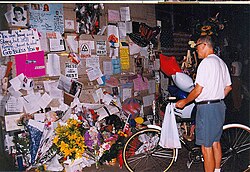
The crash of John F. Kennedy Jr.'s plane on July 16, 1999, resulted in an outpouring of grief from the public and the media, with many people expressing their condolences to the Kennedy family, including his cousin, Rory Kennedy, who spoke about his legacy in an interview with The New York Times, published on July 18, 1999. The family's response to the crash, including the funeral services and memorial events, was also widely covered in the media, with many outlets providing extensive coverage of the family's grief and their efforts to come to terms with their loss, which was compounded by the fact that Kennedy was just 38 years old at the time of his death, as reported by the National Archives in 2000.
In the days and weeks that followed the crash, the Kennedy family would have had to navigate the complex and often difficult process of planning for the future, while also coming to terms with their loss, and the National Transportation Safety Board (NTSB) would have begun its investigation into the causes of the crash, which would have involved a thorough examination of the evidence, including the wreckage of the plane, and interviews with witnesses, in order to determine what had gone wrong, and how such a tragedy could have been prevented, as outlined in the NTSB's official report, released in 2000.
The Legacy That Outlived Them

The 1999 crash off Martha's Vineyard claimed the lives of John F. Kennedy Jr., Carolyn Bessette-Kennedy, and Lauren Bessette, leaving behind a legacy of public service and journalism. In the immediate aftermath, the family held a private funeral at St. Mary's Church in Vineyard Haven, and a public memorial service was held at the Martha's Vineyard Memorial Park, where a plaque was unveiled to honor the trio. The National Archives released a collection of Kennedy's personal papers in 2000, providing insight into his life and career, and a biography by David McCullough was published in 2004, highlighting his contributions to journalism and philanthropy.
Kennedy's death prompted a nationwide reflection on the Kennedy legacy, with many Americans remembering his father's presidency and the hopes that had been placed on the young John F. Kennedy Jr. to carry on the family's tradition of public service. The National Transportation Safety Board's report, issued in 2000, concluded that Kennedy failed to maintain control during a descent over water at night because of spatial disorientation. Haze and the dark night were contributing factors, and the investigation found no evidence of a pre-impact mechanical malfunction. As the years have passed, Kennedy's memory has endured, and his legacy continues to inspire new generations of Americans, as noted by his cousin, Rory Kennedy, in an interview with The New York Times.

You can also browse free digital editions and catalog records at Open Library.
Analysis: 1999 Martha's Vineyard Plane Crash
What the evidence supports and leaves unresolved
What the record supports
- The flight path is documented: On July 16, 1999, the Piper PA-32R-301 departed Essex County Airport and crossed toward Martha’s Vineyard. NTSB radar analysis tracked the airplane at about 5,600 feet before it began descending over Rhode Island Sound. The wreckage was found in the Atlantic roughly seven and a half miles southwest of Gay Head, establishing the route and final location from recorded evidence.
- All three occupants died: John F. Kennedy Jr. was piloting the airplane with Carolyn Bessette-Kennedy and Lauren Bessette aboard. The NTSB recorded fatal injuries to the pilot and both passengers. Keeping all three names together matters because the event was not solely the death of a famous public figure. It was one aviation accident that killed every person on board.
- The investigation identified control loss: The NTSB determined that Kennedy failed to maintain control during a descent over water at night as a result of spatial disorientation. Haze and the dark night were contributing factors. Examination of the airframe, systems, avionics, and engine found no evidence of a pre-impact mechanical malfunction, making a mechanical-failure explanation unsupported by the investigation.
Limits and unresolved questions
- Probable cause is not a transcript: The NTSB could reconstruct the flight through radar, wreckage, weather, and other evidence, but that record does not provide a narrative account of what Kennedy perceived in the cockpit. Spatial disorientation is the official probable cause, yet the exact moment his visual reference failed and how he interpreted the instruments cannot be recovered as eyewitness testimony.
- Public memory changes the frame: Kennedy’s identity as the son of President John F. Kennedy made the crash a major public story, but that prominence can pull attention away from Carolyn Bessette-Kennedy and Lauren Bessette. The documented aviation event involved three deaths, while much of its later remembrance has been organised around one family name and one unusually visible life.
- The record has clear boundaries: The official investigation establishes the route, environmental conditions, loss of control, and lack of evidence for mechanical failure. It does not support claims that the crash was caused by sudden engine-power loss or that it directly produced new private-aircraft maintenance regulations. Those claims should not be carried forward without separate authoritative evidence.

Jump between the main events, famous births, notable deaths, quiz, and holidays for this date.
You Might Also Like

What caused John F. Kennedy Jr.'s plane crash?
The lead-up included John F. Kennedy Jr.; John F. Kennedy Jr. launches magazine George.
Key figures included John F. Kennedy Jr..
In the aftermath: National Archives releases Kennedy's personal papers.
Tragic death of John F. Kennedy Jr. and his family members