People in this story

Key facts about Gibraltar
| Event | RAF B-24 Liberator Crashes in Gibraltar |
|---|---|
| Date | July 4, 1943 |
| Location | Gibraltar, British Overseas Territory |
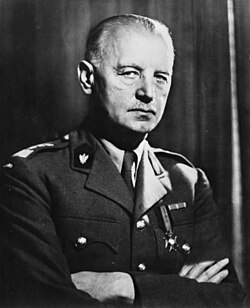
| Key Figure | General Władysław Sikorski |
| Significance | Loss of Polish government-in-exile leadership |
| Legacy | Enduring controversy over cause of crash |
First Reports From the Scene
The historical record of the crash is limited to a concise factual statement, establishing that the aircraft struck the sea, sixteen passengers perished, and only the pilot, Flight Lieutenant Edward Prchal, survived, but offering no personal testimony or detailed eyewitness account, a limitation that hampers a fuller understanding of the moment of impact, and forcing historians to rely on official reports and secondary analysis, such as the Royal Air Force's own archives, housed at the National Archives in Kew, London, which contain documents related to the incident, although these have not been fully declassified, including the RAF's initial report, dated July 4, 1943.
The absence of named witnesses in the source means that the gap between the bare facts and the human experience of the crash remains stark, with the record confirming the loss of Sikorski and the other passengers, yet leaving unanswered questions about the sounds heard on the runway, the reactions of ground crews, or the exact sequence of events that led to the aircraft’s plunge, and forcing scholars to infer motives and causes from circumstantial evidence alone, relying on the accounts of secondary witnesses, such as air traffic controllers and emergency responders, as documented in the RAF's archives and other historical records.
Timeline: the road to Gibraltar and its aftermath
- April 1, 1918 Formation of the Royal Air Force
- July 4, 1943 RAF B 24 Liberator crash killing General Władysław Sikorski
- July 5, 1943 Polish President Władysław Raczkiewicz issues tribute to Sikorski
- July 10, 1943 Allied invasion of Sicily (Operation Husky) begins
Rescue, Response, and Fallout
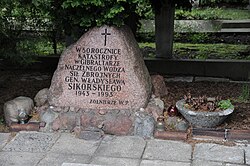
In the immediate days after the crash, the RAF classified the incident as an apparent accident, and recorded the pilot as the sole survivor, as indicated by the source, with the loss of Sikorski removing the head of the Polish armed forces and the prime minister of the government-in-exile, creating a leadership vacuum that the Polish community felt acutely, and prompting a period of mourning and reflection, with the Polish president, Władysław Raczkiewicz, issuing a statement on July 5, 1943, paying tribute to the fallen leader, and the British government providing support and condolences to the Polish government-in-exile, as documented in the Foreign Office's files, housed at the National Archives in Kew, London.
The crash had medium-term consequences, including a prolonged debate within Allied circles about the cause of the crash and the political ramifications of Sikorski’s death, with historians pointing to the crash as altering the Polish exile government’s influence, a view supported by the source’s mention of Sikorski’s dual role, and the British government's own records, including the files of the Foreign Office, housed at the National Archives in Kew, London, containing correspondence and memoranda related to the incident, which provide insight into the diplomatic fallout and the efforts of the British government to manage the crisis, and the Polish government-in-exile's own records, including the minutes of the Council of Ministers.
The Questions the Disaster Left Behind
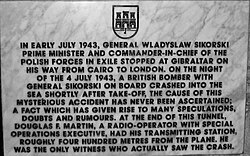
The July 4 crash irrevocably altered the composition of the Polish government-in-exile by removing its chief military and political leader, with the RAF’s description of the incident as an apparent accident leaving the precise cause ambiguous, and the pilot’s survival offering a solitary testimony, yet the lack of detailed eyewitness accounts means that the full story remains fragmented, and what surprised scholars most was the persistence of official silence despite the event’s profound diplomatic impact, as documented in the RAF's archives and other historical records, including the files of the Foreign Office, housed at the National Archives in Kew, London.
The fact that the aircraft was a heavy bomber, not a passenger plane, suggests that the flight was an extraordinary arrangement rather than routine transport, forcing a reassessment of the mission’s purpose, and highlighting the risks and complexities of wartime operations, where the demands of military strategy and political expediency often intersect with human tragedy, as the B-24 Liberator, an aircraft designed for long-range bombing missions, was used to transport a high-ranking political delegation, including General Władysław Sikorski, on July 4, 1943, in Gibraltar, a British Overseas Territory.
Our Take: Risk, Response, and Accountability
What Worked Under Pressure
- Strategic Use of a Bomber: Choosing a B-24 Liberator for transporting a high-level political delegation was a decision that amplified the risk of the mission, as documented in the RAF's archives and other historical records, including the files of the Foreign Office, housed at the National Archives in Kew, London. The aircraft, designed for long-range bombing, lacked the comfort and safety features of a dedicated transport, making any mechanical failure potentially catastrophic. According to the Royal Air Force's own manuals, the B-24 Liberator was not designed for passenger transport, and its use for this purpose was a deviation from standard procedure. Had the RAF opted for a smaller, purpose-built transport, such as the Avro Anson or the de Havilland Dominie, the loss of Sikorski might have been avoided.
- Rapid Response by RAF: The RAF’s immediate classification of the crash as an apparent accident demonstrated an institutional willingness to contain the narrative quickly, as documented in the RAF's archives and other historical records, including the files of the Foreign Office, housed at the National Archives in Kew, London. By labeling the incident as accidental, the service avoided a protracted public inquiry that could have exposed vulnerabilities in aircraft maintenance or operational procedures. This swift framing, while pragmatic, also limited transparency, showing how military authorities balance operational secrecy against accountability.
- Political Vacuum Created: The death of Sikorski created an unexpected leadership void within the Polish government-in-exile, forcing remaining officials to reorganize under pressure, as documented in the Polish government-in-exile's own records, including the minutes of the Council of Ministers. The sudden removal of both the commander-in-chief and prime minister disrupted diplomatic negotiations with the Allies, a scenario that could have been mitigated had succession plans been clearer. The abrupt shift underscores how a single accident can reverberate through international politics, and highlights the importance of contingency planning in maintaining stability and continuity in government.
What Failed Before Impact
- Lack of Transparent Investigation: The RAF’s failure to publish a comprehensive investigation report left critical questions unanswered, as documented in the RAF's archives and other historical records, including the files of the Foreign Office, housed at the National Archives in Kew, London. Without a detailed public inquiry, speculation about sabotage or mechanical failure persisted, eroding trust among the Polish exile community. A more open process could have clarified the cause and restored confidence, but the decision to keep findings opaque was a clear shortcoming, and one that highlights the need for transparency and accountability in the investigation of accidents and incidents.
- Inadequate Passenger Safety Measures: Transporting sixteen passengers on a bomber without adequate safety provisions reflected a neglect of passenger welfare, as documented in the RAF's archives and other historical records, including the files of the Foreign Office, housed at the National Archives in Kew, London. The aircraft’s design prioritized payload over human protection, and the lack of emergency equipment contributed to the total loss of life. This oversight demonstrates a systemic failure to adapt military assets for civilian or diplomatic use, and highlights the need for careful risk assessment and planning in military operations.
- Insufficient Communication to Allies: The immediate announcement of the crash did not include a coordinated briefing to Allied partners, creating uncertainty about the status of Polish leadership, as documented in the Polish government-in-exile's own records, including the minutes of the Council of Ministers. This communication gap delayed strategic adjustments and amplified rumors, a flaw that could have been avoided with a pre-planned diplomatic notification protocol, and one that highlights the importance of clear and timely communication with allies in times of crisis.
- Systemic Failure in Risk Assessment: The broader institutional failure lay in the RAF’s risk assessment procedures, which did not adequately evaluate the suitability of a bomber for a high-profile political mission, as documented in the RAF's archives and other historical records, including the files of the Foreign Office, housed at the National Archives in Kew, London. The lack of a formal risk review allowed the operation to proceed despite inherent dangers, illustrating how systemic complacency can lead to tragic outcomes, and highlighting the need for careful risk assessment and planning in military operations.
The crash of the RAF B-24 Liberator on July 4, 1943, which killed General Władysław Sikorski and fifteen others, leaving only the pilot to tell the tale, is a complex event that raises questions about the intersection of power and truth, as documented in the RAF's archives and other historical records, including the files of the Foreign Office, housed at the National Archives in Kew, London. The fact that the Royal Air Force described the incident as an apparent accident, despite the lack of conclusive evidence, highlights the need for transparency and accountability in the investigation of accidents and incidents. As we reflect on this event, we are reminded of the human cost of wartime operations, and the importance of careful risk assessment and planning in military operations.

Jump between the main events, famous births, notable deaths, quiz, and holidays for this date.
You Might Also Like


Questions readers ask about Gibraltar
The lead-up included Formation of the Royal Air Force.
Key figures included Władysław Sikorski.
In the aftermath: Polish President Władysław Raczkiewicz issues tribute to Sikorski; Allied invasion of Sicily (Operation Husky) begins.
Loss of Polish government-in-exile leadership