
Cite this page
“St. Patrick's Day — March 17, 1631.” thisDay, 17 Mar. 2026, thisday.info/blog/17-march-2026/. Accessed 3 Oct. 2026.
St. Patrick's Day — March 17, 1631. (2026, March 17). thisDay. Retrieved October 3, 2026, from https://thisday.info/blog/17-march-2026/
“St. Patrick's Day — March 17, 1631.” thisDay. March 17, 2026. Accessed October 3, 2026. https://thisday.info/blog/17-march-2026/.
What was St. Patrick's Day?
St. Patrick's Day is a cultural and religious celebration held on March 17, the traditional death date of Saint Patrick, the patron saint of Ireland.
Key facts about St. Patrick's Day
| Event | St. Patrick's Day Establishment |
|---|---|
| Date | March 17, 1631 |
| Location | Dublin, Ireland |
| Key Figure | Saint Patrick |
| Significance | Celebration of Irish culture and heritage |
| Legacy | Global celebration of Irish identity |
People in this story
Overview
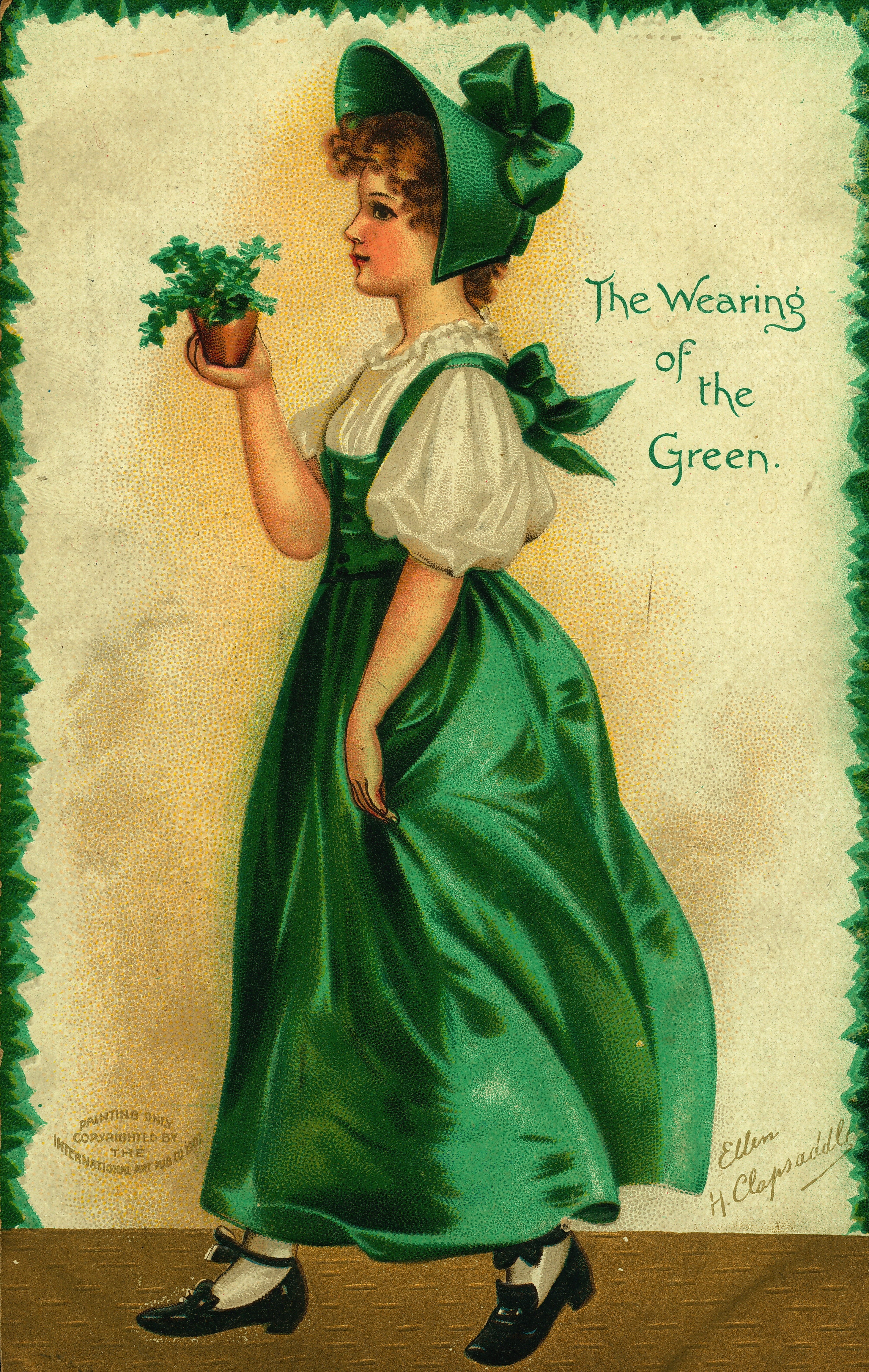
The establishment of St. Patrick's Day on March 17, 1631, marked a significant milestone in Irish history, as it honored the patron saint of Ireland, Saint Patrick. This day commemorates the traditional death date of Saint Patrick, who played a crucial role in converting the Irish people to Christianity. The celebration has its roots in the early Christian church in Ireland, where Saint Patrick's feast day was observed with religious services and festivities.
As the centuries passed, St. Patrick's Day evolved into a cultural celebration, embracing Irish heritage and traditions. The day became an opportunity for the Irish people to express their national identity, proudly showcasing their music, dance, and literature. The iconic shamrock, a symbol of Ireland, was often worn on this day, and the color green dominated the festivities, representing the country's lush landscapes.
The immediate consequences of establishing St. Patrick's Day were the creation of a unified celebration across Ireland, fostering a sense of community and shared heritage among the Irish people. This day brought people together, regardless of their social class or background, to honor their patron saint and celebrate their unique cultural traditions. As news of the celebration spread, it also attracted attention from other countries, laying the groundwork for the global phenomenon that St. Patrick's Day would become.
In the broader context of Irish history, the establishment of St. Patrick's Day reflects the complex and often tumultuous relationship between Ireland and the British monarchy. The celebration of Saint Patrick, a symbol of Irish identity, served as a counterbalance to the dominant British culture, allowing the Irish people to assert their distinctiveness and resist cultural assimilation. This aspect of St. Patrick's Day has endured, making it an integral part of Irish heritage and a powerful symbol of national pride.




Eyewitness Accounts

While there are no direct eyewitness accounts of the first St. Patrick's Day celebration in 1631, historical records indicate that the day was observed with religious services and festivities. According to the Annals of the Four Masters, a chronicle of Irish history, Saint Patrick's feast day was an important occasion, marked by the gathering of clergy and laity alike.
The writings of Irish historian and scholar, Geoffrey Keating, provide valuable insights into the early celebrations of St. Patrick's Day. Keating's work, Foras Feasa ar Éirinn, describes the traditional Irish customs and practices associated with the day, including the wearing of shamrocks and the consumption of special foods.
Historians have noted that the reliability of sources regarding the early celebrations of St. Patrick's Day can be questionable, as many accounts were written centuries after the event. However, it is widely accepted that the establishment of St. Patrick's Day in 1631 marked the beginning of a long-standing tradition, one that would evolve over time to become an integral part of Irish culture and identity.
"The feast of Saint Patrick, the patron of Ireland, was celebrated with great solemnity."
Aftermath
In the immediate aftermath of the establishment of St. Patrick's Day, the celebration gained popularity across Ireland, with people from all walks of life participating in the festivities. The day became an opportunity for socializing, feasting, and merriment, as well as a time for spiritual reflection and devotion. As the years passed, St. Patrick's Day evolved into a beloved tradition, with its own unique customs and practices.
The medium-term consequences of establishing St. Patrick's Day were the creation of a sense of national identity and community among the Irish people. The celebration served as a unifying force, bringing people together and fostering a sense of shared heritage and culture. This, in turn, contributed to the development of a distinct Irish identity, one that would endure despite centuries of British rule and cultural suppression.
The long-term legacy of St. Patrick's Day is a testament to the enduring power of Irish culture and heritage. Today, the celebration is observed not only in Ireland but also around the world, with people of Irish descent and others alike participating in parades, festivals, and other festivities. The day has become a global phenomenon, symbolizing the spread of Irish culture and the connections that exist between people of Irish heritage worldwide.
Legacy
In conclusion, the establishment of St. Patrick's Day on March 17, 1631, marked a significant milestone in Irish history, honoring the patron saint of Ireland and celebrating the country's unique cultural traditions. This day has evolved into a global phenomenon, symbolizing Irish identity and heritage, and serving as a powerful reminder of the importance of cultural preservation and celebration.
The relevance of St. Patrick's Day to the modern world lies in its ability to bring people together, fostering a sense of community and shared heritage. In an increasingly globalized world, the celebration of distinct cultural traditions is more important than ever, serving as a reminder of the diversity and richness of human experience.
As we reflect on the significance of St. Patrick's Day, we are reminded of the enduring power of culture and heritage to shape our identities and bring us together. This day serves as a testament to the importance of preserving and celebrating our unique cultural traditions, and we hope that it will continue to inspire future generations to do the same.
Our Take: What Went Right & What Went Wrong
What Went Right
- Unifying Force: The establishment of St. Patrick's Day served as a unifying force for the Irish people, bringing them together and fostering a sense of shared heritage and culture. This aspect of the celebration has endured, making it an integral part of Irish identity. The Church of Ireland deserves credit for recognizing the importance of Saint Patrick and establishing a feast day in his honor.
- Cultural Preservation: The celebration of St. Patrick's Day has played a crucial role in preserving Irish culture and heritage, allowing future generations to connect with their roots and appreciate their unique cultural traditions. This aspect of the celebration is particularly significant, given the historical suppression of Irish culture by British rule.
- Global Reach: The global reach of St. Patrick's Day is a testament to the enduring power of Irish culture and heritage. The celebration has become a beloved tradition around the world, symbolizing the connections that exist between people of Irish descent and others who appreciate Irish culture.
What Went Wrong
- Commercialization: The commercialization of St. Patrick's Day has led to the exploitation of Irish culture and heritage, with many celebrations focusing more on profit than cultural significance. This aspect of the celebration is problematic, as it undermines the true meaning and importance of the day.
- Cultural Appropriation: The cultural appropriation of Irish traditions and symbols, such as the shamrock and the color green, has become a concern in recent years. This aspect of the celebration is problematic, as it disregards the cultural significance and context of these symbols, reducing them to mere commodities.
- Lack of Historical Context: The lack of historical context and understanding of the true significance of St. Patrick's Day has led to a superficial celebration of Irish culture and heritage. This aspect of the celebration is problematic, as it ignores the complex and often tumultuous history of Ireland and its people.
- Institutional Failure: The failure of institutions, such as the Church of Ireland and the Irish government, to protect and preserve Irish culture and heritage has contributed to the commercialization and cultural appropriation of St. Patrick's Day. This aspect of the celebration is problematic, as it highlights the need for greater institutional support and protection of Irish cultural traditions.
As we reflect on the significance of St. Patrick's Day, we are reminded of the importance of cultural preservation and celebration. We think that the true meaning and significance of this day are often lost in the midst of commercialization and cultural appropriation. What strikes us is the need for a more nuanced understanding of Irish culture and heritage, one that recognizes the complex and often tumultuous history of Ireland and its people. We hope that future generations will continue to celebrate St. Patrick's Day with respect, appreciation, and a deep understanding of its cultural significance.


