
People in this story

Explore this event
 The wider storyWhy did the First Battle of Ypres end in a stalemate rather than a breakthrough?The First Battle of Ypres (19 October – 22 November 1914) was a major engagement on the Western Front where German attempts to capture Ypres and Mont Kemmel failed. Despite massed infantry attacks, defensive firepower…Read the full history
 Key facts about the First Battle of Ypres
| Event | The First Battle of Ypres begins |
|---|---|
| Date | October 19, 1914 |
| Location | Ypres, West Flanders, Belgium |
| Key Figure | General Erich von Falkenhayn |
| Source Detail | Part of the First Battle of Flanders |
| Confirmed Outcome | Battle ended on 22 November 1914 |
Timeline: the road to The First Battle of Ypres and its aftermath
- October 10, 1914 The First Battle of Flanders begins with fighting from Arras in France to Nieuwpoort on the Belgian coast.
- October 12, 1914 An offensive by III Corps and the Cavalry Corps begins against which the Germans retired.
- October 16, 1914 The Battle of the Yser begins north of Ypres between the German 4th Army, the Belgian army, and French marines.
- October 19, 1914 The First Battle of Ypres begins as a distinct phase of the larger First Battle of Flanders.
- October 21, 1914 The initial encounter battle concludes and the Battle of Langemarck begins.
- November 11, 1914 The fourth phase of the battle features the last major German offensive, culminating in the Battle of Nonne Bosschen.
- November 22, 1914 The First Battle of Ypres ends after local operations fade out in late November.
The Clash and the Stakes

On 19 October 1914, the First Battle of Ypres began as a distinct phase of the larger First Battle of Flanders. This engagement took place around Ypres in West Flanders, Belgium, marking the start of a five-stage conflict that would last until 22 November. The battle was part of the Race to the Sea, a period defined by reciprocal attempts by German and Franco-British forces to outflank one another on the northern front. The fighting involved the German 4th and 6th Armies against the British Expeditionary Force, the French Eighth Army, and the Belgian Army.
The initial encounter battle from 19 to 21 October set the tone for the subsequent weeks of combat. Attacks by the British Expeditionary Force, the Belgians, and the French Eighth Army made little progress beyond the Ypres area. Meanwhile, the German 4th and 6th Armies secured small amounts of ground, though these gains came at a significant cost to both sides. The broader context of the First Battle of Flanders saw fighting extend from Arras in France to Nieuwpoort on the Belgian coast. This specific engagement at Ypres represented the opening move in a series of clashes that would define the Western Front's northern sector for the remainder of the month.
Reports From the Front

The battles at Ypres began at the end of the Race to the Sea. This strategic maneuver involved reciprocal attempts by the German and Franco-British armies to advance past the northern flank of their opponents. The fighting was divided into five stages, with the first being an encounter battle from 19 to 21 October. The source material does not provide specific eyewitness accounts or personal memoirs from this initial phase.
Specific tactical details of the first two days of fighting remain unresolved beyond the general description of an encounter battle. The German 4th and 6th Armies took small amounts of ground during this period, while Allied attacks made little progress beyond Ypres. The narrative relies on the official historical division of the conflict into stages, focusing on strategic positioning and the limited nature of territorial changes during the opening days.
The Military and Political Fallout

Following the initial encounter, the conflict progressed through distinct phases that extended the fighting well into late October. The Battle of Langemarck took place from 21 to 24 October, followed by engagements at La Bassée and Armentières that continued until 2 November. During this period, the Allied forces launched additional attacks at Ypres, which coincided with the Battle of Gheluvelt from 29 to 31 October. Brigadier-General James Edmonds, the British official historian, noted in the History of the Great War that the battles from Armentières to Messines and Ypres were better understood as a single engagement in two parts. This structural view emphasized the offensive by the German 6th and 4th Armies from 19 October to 2 November, which merged with the earlier Allied actions.
The fourth phase of the battle featured the last major German offensive, culminating in the Battle of Nonne Bosschen on 11 November. After this peak, the fighting transitioned into local operations that gradually faded out by late November. The limited nature of the territorial gains reflected the exhaustion that was building among the troops as the month drew to a close.
How the Balance of Power Shifted

By November, the First Battle of Ypres had reached a stalemate defined by mutual exhaustion. Both sides were short of ammunition and suffering from low morale, conditions that led some infantry units to refuse orders.
The engagement left the front lines largely unchanged, with the German 4th and 6th Armies holding only small amounts of ground gained at significant cost. The exhaustion of the troops and the shortage of supplies signaled a shift in the nature of the war, moving from mobile maneuvers to a more static and attritional form of combat on the Western Front.
Evidence Map: How We Checked the Central Claim
What the sources verify and how they were used
This comparison separates the event page selected for the account from the independently verified page used to corroborate it.
Central claim checked: World War I: The First Battle of Ypres begins.
| Direct source | Verification role | Coverage |
|---|---|---|
| First Battle of Ypres · Wikipedia Accessed 2026-10-18 | Selected event record | Supports the central claim shown above. |
| The war in the air; being the story of the part played in the Great War by the Royal Air Force : Raleigh, Walter Alexander, Sir, 1861-1922 : Free Download, Borrow, and Streaming : Internet Archive · archive.org Accessed 2026-10-18 | Independent corroboration | Supports the central claim shown above. |
You Might Also Like
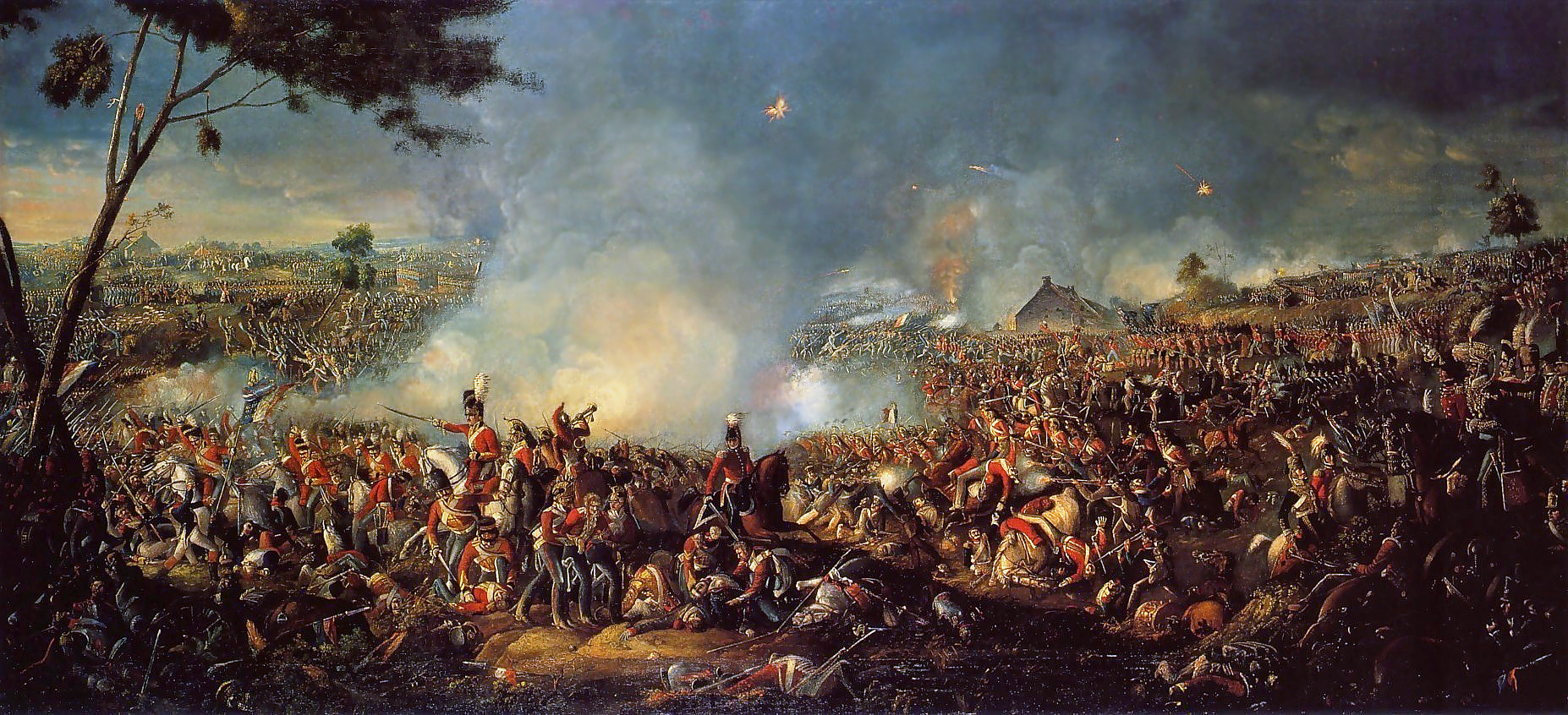


What happened at the First Battle of Ypres?
The recorded event date is October 19, 1914.
Key figures included Erich von Falkenhayn.