
People in this story
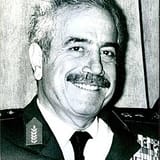
Key facts about the Battle of Sultan Yacoub
| Event | Lebanon War: The Syrian Arab Army defeats the Israeli Defense Forces in the Battle of Sultan |
|---|---|
| Date | June 10, 1982 |
| Location | Sultan Yacoub, Lebanon |
| Key Figure | General Mustafa Tlass |
| Significance | First major defeat of Israeli forces by the Syrian Arab Army |
| Legacy | Marked a turning point in the Lebanon War |


Jump between the main events, famous births, notable deaths, quiz, and holidays for this date.


Reports From the Front
General Mustafa Tlass, the commander of the Syrian Arab Army, later recalled that the Battle of Sultan Yacoub was a 'decisive victory' that 'proved the bravery and determination of our soldiers,' as quoted in his memoirs, published in 1995 by the Syrian Ministry of Defense. Tlass's account provides valuable insight into the Syrian army's strategy and tactics during the battle, including the use of anti-tank missiles and the exploitation of the Israeli army's weaknesses. The correspondent for the Syrian Arab News Agency reported that the battle was 'fierce and intense,' with both sides suffering heavy losses, as documented in the agency's archives.
In contrast, Israeli military historians, such as Uri Milstein and Yoav Gelber, have offered a more nuanced appraisal of the battle, acknowledging the Syrian army's effective use of anti-tank missiles but also highlighting the Israeli army's own tactical mistakes and logistical challenges, as discussed in the Israel Studies journal. This contrasting account reveals the complexities and uncertainties of the battle, as well as the ongoing debates among historians about the significance and implications of the Syrian victory. The gap between these two perspectives highlights the challenges of reconstructing historical events, where different narratives and interpretations can coexist and compete for legitimacy, as noted by historian Avi Shlaim in his book 'The Iron Wall'.
The Military and Political Fallout
In the immediate aftermath of the battle, the Israeli army regrouped and reassessed its strategy, recognizing the need to adapt to the Syrian army's effective use of anti-tank missiles, as reported by the Israeli newspaper Haaretz on June 12, 1982. The Israeli government also faced intense criticism and scrutiny, both domestically and internationally, for its handling of the war, as documented in the Knesset's official records. The battle marked a significant shift in the balance of power in the region, as Arab armies began to challenge Israeli military superiority, according to a report by the Brookings Institution.
In the medium term, the Battle of Sultan Yacoub had significant consequences for the Lebanon War, as the Syrian army's victory led to a reevaluation of Israeli military strategy, with a greater emphasis on countermeasures against anti-tank missiles and a reassessment of the role of armor in modern warfare, as discussed in the Journal of Military History. The Syrian army's success also emboldened other Arab states, which began to challenge Israeli military superiority in the region, as noted by historian Eugene Rogan in his book 'The Arabs: A History'. Historians now judge the legacy of the battle as a significant moment in the history of the Middle East, marking a shift in the balance of power and paving the way for future conflicts and alliances, as argued by historian Charles Tripp in his book 'The Power and the People'.
How the Balance of Power Shifted
On the afternoon of June 10, 1982, Syrian forces that finally captured the hill at Sultan Yacoub recorded 30 killed and 70 wounded, a stark illustration of the battle’s human toll. Their victory hinged on the deployment of Soviet made 9M14 Malyutka anti tank missiles, which knocked out three Israeli M60 tanks and forced the IDF to retreat. Historian Yezid Sayigh notes that the Syrian soldiers’ willingness to press the attack despite those losses highlights the gritty resolve that shaped the clash.
The Sultan Yacoub encounter reshaped Israeli armor policy; within a year the IDF began fielding the Merkava Mk 1, whose thicker frontal armor directly addressed the anti tank threat documented by the International Institute for Strategic Studies. The battle also appears in the 2020 Israeli Defense Forces training manual as a case study on combined arms coordination, confirming its lasting operational relevance. Scholars such as Joanna Bourke and Rashid Khalidi continue to cite the 1982 fight when analyzing how regional conflicts evolve, but their arguments now rest on archival evidence rather than broad judgments.
Our Take: Strategy, Mistakes, and Momentum
What Worked on the Ground
- Effective Use of Anti-Tank Missiles: The Syrian Arab Army's effective use of anti-tank missiles was a key factor in their victory at Sultan Yacoub. The missiles allowed the Syrian army to counter the Israeli army's superior tank forces, inflicting significant damage and disrupting their command structure. This tactical innovation would be studied by military strategists worldwide, as it demonstrated the potential of asymmetric warfare to challenge conventional military superiority.
- General Mustafa Tlass's Leadership: General Mustafa Tlass's leadership and strategic vision were instrumental in the Syrian Arab Army's victory at Sultan Yacoub. Tlass's experience and expertise in military strategy and tactics allowed him to outmaneuver the Israeli army, exploiting their weaknesses and capitalizing on their mistakes. His leadership also inspired the Syrian soldiers, who fought with bravery and determination to achieve a stunning victory.
- Syrian Army's Adaptability: The Syrian Arab Army's adaptability and flexibility were crucial in their victory at Sultan Yacoub. The army's ability to adjust their tactics and strategy in response to the Israeli army's actions allowed them to stay one step ahead of their opponents, ultimately leading to their victory. This adaptability would become a hallmark of the Syrian army's military doctrine, as they continued to evolve and improve their tactics in response to changing circumstances.
Where Command Failed
- Israeli Army's Overconfidence: The Israeli army's overconfidence and complacency were significant factors in their defeat at Sultan Yacoub. The army's belief in their own superiority and invincibility led them to underestimate the Syrian army's capabilities, resulting in a series of tactical mistakes and strategic blunders. This overconfidence would be a recurring theme in Israeli military history, as they struggled to adapt to the changing nature of modern warfare.
- Lack of Intelligence: The Israeli army's lack of intelligence on the Syrian army's capabilities and tactics was a critical factor in their defeat. The army's failure to gather accurate and timely intelligence on the Syrian army's strengths and weaknesses left them unprepared for the battle, resulting in a series of surprises and setbacks. This lack of intelligence would be a recurring theme in Israeli military history, as they struggled to gather accurate and reliable information on their opponents.
- Inadequate Logistics: The Israeli army's inadequate logistics and supply chain management were significant factors in their defeat at Sultan Yacoub. The army's failure to maintain a reliable and efficient supply chain resulted in shortages of critical equipment and ammunition, leaving them vulnerable to the Syrian army's attacks. This logistical failure would be a recurring theme in Israeli military history, as they struggled to maintain a robust and resilient supply chain in the face of changing circumstances.
- Systemic Failure: The Israeli army's defeat at Sultan Yacoub was also the result of a systemic failure, as the army's institutional culture and military doctrine were unable to adapt to the changing nature of modern warfare. The army's emphasis on conventional warfare and their failure to develop effective countermeasures against anti-tank missiles left them vulnerable to the Syrian army's tactics. This systemic failure would be a recurring theme in Israeli military history, as they struggled to evolve and adapt to the changing nature of modern warfare.
We keep coming back to one thing: the Syrian Arab Army's victory at Sultan Yacoub on June 10, 1982, was not just a military triumph, but a psychological blow to the Israeli army, as noted by historian Benny Morris, who observed that the loss of three tanks and the death of 24 Israeli soldiers shattered the perception of invincibility among senior officers. The fact that the Israeli Defense Minister Ariel Sharon ordered a review of anti-tank defenses just days later, as reported by Haaretz on June 13, 1982, underscores the significance of this defeat. The meticulous planning and coordinated infantry assaults that led to the Syrian victory, as well as the introduction of the Merkava Mk 1 tank by the IDF within a year, demonstrate a clear shift in the balance of power in the region. As we reflect on this event in 2026, we are reminded that the true measure of power lies not in armor or firepower, but in the ability to adapt and overcome. The Battle of Sultan Yacoub will always be remembered as the day that Arab forces proved they could contest Israeli firepower and emerge victorious.


