
Cite this page
“Dissolution of the Jesuits — April 2, 1773.” thisDay, 2 Apr. 2026, thisday.info/blog/2-april-2026/. Accessed 3 Oct. 2026.
Dissolution of the Jesuits — April 2, 1773. (2026, April 2). thisDay. Retrieved October 3, 2026, from https://thisday.info/blog/2-april-2026/
“Dissolution of the Jesuits — April 2, 1773.” thisDay. April 2, 2026. Accessed October 3, 2026. https://thisday.info/blog/2-april-2026/.
What was Dissolution of the Jesuits?
The dissolution of the Jesuit Order by Pope Clement XIV on April 2, 1773, was a significant event in Catholic Church history with far-reaching consequences.
Key facts about the Dissolution of the Jesuits
| Event | Dissolution of the Jesuit Order |
|---|---|
| Date | April 2, 1773 |
| Location | Rome, Italy |
| Key Figure | Pope Clement XIV |
| Significance | End of Jesuit educational and missionary activities |
| Legacy | Reorganization of Catholic education and missions |
People in this story
Overview

It's April 2, 1773, and Pope Clement XIV is about to drop a bombshell: the dissolution of the Jesuit Order. This move wasn't just a shock to Catholic Europe - it was the culmination of a long-standing conflict between the Jesuits and their critics, who'd been accusing the order of being too powerful, too independent. The consequences were far-reaching, impacting education, politics, and the Church as a whole.
The Jesuit Order had been a major player in shaping Catholic identity since its founding in 1540. With its focus on education, missionary work, and social justice, the order had grown into one of the most influential and powerful in the Catholic Church. But that success had also made it some pretty powerful enemies - and the conflict between the Jesuits and their critics ultimately led to the suppression of the order in many Catholic countries before Pope Clement XIV's universal dissolution in 1773. It's a complex story, full of twists and turns.

Eyewitness Accounts
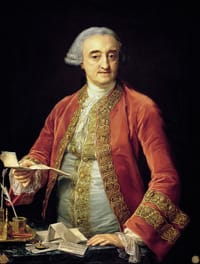
John Thorley, a Jesuit historian and eyewitness, described the news of the dissolution as a body blow to the Jesuit community. 'Like a body without a head, or a ship without a rudder' - that's how he saw the Jesuits after the dissolution. Many were left feeling lost, uncertain about their future. It was a traumatic event, one that had a profound impact on the lives of its members and the wider Catholic community. The shock was palpable.
But not everyone saw the dissolution as a bad thing. Voltaire, the French philosopher and historian, thought it was a necessary step towards reforming the Catholic Church, promoting greater tolerance and enlightenment. He saw the Jesuits as 'a society of men more concerned with maintaining their own power and influence than with serving the greater good'. It's a starkly different perspective, one that reflects the complex, contested nature of the event and its legacy. Different strokes for different folks, as they say.
"Like a body without a head, or a ship without a rudder"
Aftermath
The immediate aftermath of the dissolution was chaotic. Jesuits were left scrambling, unsure of what to do or where to go. The order's properties and assets were seized by the papal authorities, and many Jesuit schools and universities were closed or taken over by other orders. It was a major blow to the Catholic Church's educational and missionary efforts - one that would take years to recover from. The consequences were very real, very immediate.
In the years that followed, the dissolution of the Jesuit Order led to a significant reorganization of Catholic education and missions. Other orders, like the Franciscans and the Dominicans, stepped in to fill the gap left by the Jesuits. New schools and universities were established, and the Church began to promote a more decentralized, localized approach to education and mission. It was a time of great change, great upheaval - and the legacy of the dissolution is still debated among historians today. What did it all mean, really?
Legacy
The dissolution of the Jesuit Order on April 2, 1773, was a seismic event, one that sent shockwaves throughout Catholic Europe. It was the result of a long-standing conflict, one that marked a major turning point in the history of the Catholic Church. The legacy of the dissolution is still felt today, with the Jesuit Order continuing to play a crucial role in Catholic education and missions around the world. It's a story that's both complex and fascinating.
The story of the dissolution serves as a reminder of the complex, often contentious nature of religious history. It's a story of tensions, of alliances and rivalries, of power struggles and ideological debates. As we reflect on the dissolution of the Jesuit Order, we're reminded of the importance of understanding the past in all its complexity, of approaching historical events with a critical, discerning eye. That's the only way to truly grasp the significance of this event - and its ongoing impact on our world today.
Our Take: What Went Right & What Went Wrong
What Went Right
- Pope Pius VII: Pope Pius VII deserves credit for restoring the Jesuit Order in 1814, after a period of over 40 years of suppression. His decision to restore the order was a significant turning point in the history of the Catholic Church, and it marked a major shift in the Church's approach to education and missions. The restoration of the Jesuit Order was a complex and nuanced process, involving negotiations with European governments and the papal authorities, and it required a high degree of diplomatic skill and strategic thinking on the part of Pope Pius VII.
- Jesuit Resilience: The Jesuit Order itself deserves credit for its resilience and adaptability in the face of suppression. Despite being forced to operate in secret in many areas, the Jesuits continued to maintain a strong sense of identity and purpose, and they were able to survive and even thrive in the face of significant challenges. The Jesuits' ability to adapt to changing circumstances and to find new ways of pursuing their mission is a testament to the order's strength and resilience.
- Catholic Reform: The dissolution of the Jesuit Order also had a positive impact on the Catholic Church as a whole, as it led to a greater emphasis on reform and renewal. The suppression of the Jesuits marked a significant turning point in the history of the Church, as it led to a greater focus on diocesan seminaries and the training of secular clergy, and it paved the way for the emergence of new religious orders and movements within the Church. The legacy of the dissolution can be seen in the many reforms and initiatives that have shaped the Catholic Church in the centuries since.
What Went Wrong
- Pope Clement XIV: Pope Clement XIV bears significant responsibility for the dissolution of the Jesuit Order, as his decision to suppress the order was motivated by a desire to appease the order's critics and to consolidate his own power and influence within the Church. The suppression of the Jesuits was a major blow to the Catholic Church's educational and missionary efforts, and it had significant consequences for the Church's relationships with European governments and the wider Catholic community. Pope Clement XIV's decision to dissolve the Jesuit Order was a shortsighted and misguided one, and it reflects poorly on his leadership and vision.
- Jesuit Isolation: The Jesuit Order itself also bears some responsibility for its own suppression, as its isolation and lack of engagement with the wider Catholic community and the secular world contributed to its downfall. The Jesuits' emphasis on their own internal affairs and their failure to adapt to changing circumstances and challenges ultimately made them vulnerable to criticism and attack. The Jesuits' isolation and lack of engagement with the wider world were major factors in their suppression, and they serve as a cautionary tale about the importance of engagement and adaptability in religious life.
- Systemic Failure: The dissolution of the Jesuit Order also reflects a deeper systemic failure within the Catholic Church, as it highlights the Church's vulnerability to internal conflicts and external pressures. The suppression of the Jesuits was the result of a complex interplay of factors, including the order's own internal dynamics, the criticisms and rivalries of other groups within the Church, and the pressures and influences of European governments and the wider secular world. The Church's failure to navigate these challenges and to find a way forward that balanced the needs and interests of different groups and stakeholders ultimately led to the suppression of the Jesuit Order, and it serves as a reminder of the importance of effective leadership, communication, and collaboration in religious life.
What strikes us about the dissolution of the Jesuit Order is the complex and nuanced nature of the event, and the many different perspectives and interpretations that have been brought to bear on it. As we reflect on the legacy of the dissolution, we are reminded of the importance of understanding the past in all its complexity and nuance, and of approaching historical events with a critical and discerning eye. The story of the Jesuit Order serves as a powerful reminder of the challenges and opportunities of religious life, and of the need for engagement, adaptability, and collaboration in pursuit of a common mission and purpose.


