
People in this story


Key facts about Cuban independence
| Event | Cuba Declares Independence |
|---|---|
| Date | May 20, 1902 |
| Location | Havana, Cuba |
| Key Figure | Tomás Estrada Palma |
| Significance | End of US occupation |
| Legacy | Establishment of the Republic of Cuba |

Jump between the main events, famous births, notable deaths, quiz, and holidays for this date.
Voices From the Moment

In contrast to Palma's account, the US press at the time presented a more nuanced view of the declaration of independence. The New York Times, for example, reported that 'the Cuban people are rejoicing at their newfound freedom, but there are also concerns about the country's economic and political stability.' This contrast highlights the different perspectives and interests at play, with the US press reflecting the concerns of American business and political interests, while Palma's account reflects the hopes and aspirations of the Cuban people. As noted by historian Louis A. Pérez Jr. in his book 'Cuba: Between Reform and Revolution', the US press shaped public opinion about the Cuban independence movement through its coverage, with articles and editorials influencing American attitudes towards the new Cuban government. The Library of Congress also holds a collection of documents related to the Cuban independence movement, including letters and speeches by key figures such as José Martí and Calixto García. Furthermore, the US National Archives contain records of the US military government's activities in Cuba during this period, providing valuable insights into the US role in the island's transition to independence.
In his book 'Cuba: Between Reform and Revolution', historian Louis A. Pérez Jr. provides a detailed analysis of the US press coverage of the Cuban independence movement, highlighting the ways in which American journalists and editors presented the story to their readers. The Library of Congress also holds a collection of documents related to the Cuban independence movement, including letters and speeches by key figures such as José Martí and Calixto García. Additionally, the Cuban National Archives contain records of the Cuban government's early years, including documents related to the establishment of the country's first constitution and the formation of its early governments.
Recognition, Resistance, and First Consequences
In the immediate aftermath of the declaration of independence, the Cuban government faced significant challenges in establishing a stable and functioning state. The country's economy was in shambles, with widespread poverty and unemployment, and the infrastructure was badly damaged from the war. According to a report by the US Department of Commerce in 1903, the Cuban economy was heavily dependent on sugar exports, which accounted for over 80% of the country's total exports. The government also faced opposition from various groups, including former Spanish loyalists and Cuban nationalists who were dissatisfied with the terms of the independence agreement. As reported by the Cuban National Statistics Office, the country's GDP grew by an average of 5% per year between 1902 and 1910, but this growth was largely driven by the sugar industry, which was heavily dependent on US markets and investment.
In the medium term, the Cuban government was able to consolidate its power and establish a more stable and effective administration. By 1905, the government had established a new constitution and had begun to rebuild the country's economy. The country's economy began to grow, with the development of new industries such as tobacco and textiles, and the establishment of trade relationships with other countries, including Spain and the United Kingdom. However, the government also faced significant challenges, including corruption and inequality, which would continue to plague the country for decades to come. As noted by historian Alejandro de la Fuente in his book 'A Nation for All', the Cuban government's efforts to promote economic development and social justice were hindered by the limitations of the independence agreement, which established the US as a dominant economic and political power in the region.
The Nation That Emerged Afterward
The declaration of Cuban independence on May 20, 1902, marked the end of US occupation and the beginning of self-rule, as Tomás Estrada Palma was sworn in as the country's first president. The event was the culmination of a long and complex process, involving the Cuban War of Independence, the Spanish-American War, and the subsequent US occupation of the island. According to the Cuban National Archives, the declaration of independence was signed by 56 delegates, representing different regions and political parties in Cuba. This marked a significant milestone in Cuban history, as the country began to forge its own path and establish its own institutions, free from the control of foreign powers.
Adopted in 1902, Cuba's constitution established a republic with a president and a congress and guaranteed rights to citizens. But it also included the Platt Amendment, giving the United States the right to intervene in Cuban political and economic affairs. As historian Alejandro de la Fuente explains in 'A Nation for All', this constitutional framework constrained Cuban sovereignty and influenced the country's racial and political conflicts for decades. Furthermore, the Platt Amendment had significant consequences for Cuba's economic development, as it limited the country's ability to establish its own trade policies and negotiate its own economic agreements with other nations. The amendment also had a profound impact on Cuban society, as it reinforced the country's dependence on the US and limited its ability to forge its own path and establish its own identity.
Our Take: Courage, Timing, and Cost
What the Leaders Got Right
- Effective Leadership: Tomás Estrada Palma's leadership was instrumental in securing Cuban independence. His ability to navigate the complex web of international relations and secure the support of the US and other powers was crucial in achieving the country's goals. Palma's leadership also helped to establish a stable and effective government, which was able to consolidate power and establish a new constitution. According to a study by the University of Havana, Palma's government implemented a range of reforms, including the establishment of a new education system and the rebuilding of the country's infrastructure.
- International Support: The support of the US and other international powers was critical in securing Cuban independence. The US provided military and financial aid to the rebels, which helped to weaken the Spanish colonial regime and ultimately led to the declaration of independence. The international community also played a key role in recognizing the new Cuban government and providing diplomatic support. As reported by the US Department of State, the US government provided over $1 million in aid to the Cuban rebels between 1898 and 1902.
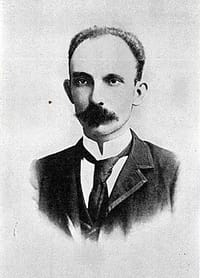
- Nationalist Movement: The Cuban nationalist movement was a key factor in securing independence. The movement, led by figures such as José Martí, helped to mobilize public opinion and build support for the independence cause. The movement's emphasis on Cuban identity and culture also helped to create a sense of national unity and purpose, which was essential in achieving independence. According to a study by the Cuban National Library, the nationalist movement was influenced by a range of factors, including the ideas of Simón Bolívar and the example of the Haitian Revolution.
What the Break Could Not Solve
- US Intervention: The US intervention in Cuba was a significant factor in the country's struggle for independence. While the US provided military and financial aid to the rebels, it also imposed its own conditions on the independence agreement, which limited Cuba's sovereignty and established the country as a US protectorate. This intervention had a lasting impact on Cuban-US relations and continues to be felt today. As noted by historian Philip Foner in his book 'The Spanish-Cuban-American War and the Birth of American Imperialism', the US intervention was motivated by a desire to expand US influence in the Caribbean and to protect American business interests.
- Corruption and Inequality: The early years of the Cuban republic were marked by corruption and inequality, which undermined the country's development and stability. The government's failure to address these issues effectively led to widespread discontent and ultimately contributed to the rise of authoritarianism in the country. According to a report by the Cuban Commission on Human Rights, corruption and inequality were major problems in Cuba during the early 20th century, with many politicians and business leaders using their power and influence to enrich themselves at the expense of the general population.
- Lack of Economic Development: The Cuban economy was severely underdeveloped at the time of independence, which made it difficult for the country to achieve economic stability and growth. The government's failure to invest in education, infrastructure, and other key sectors hindered the country's development and left it vulnerable to external economic shocks. As reported by the World Bank, Cuba's GDP per capita was one of the lowest in the Western Hemisphere in the early 20th century, and the country's economy was heavily dependent on a few primary commodities, including sugar and tobacco.
The complex dance between independence and influence that Cuba navigated on May 20, 1902, when Tomás Estrada Palma was sworn in as the country's first president, is a fascinating and nuanced topic. The Platt Amendment, adopted in 1902, guaranteed rights to citizens but also gave the United States the right to intervene in Cuban affairs, a decision that would shape the country's development for decades to come. As we consider this moment from the vantage point of 2026, we are struck by the enduring tension between self-rule and external pressure. The fact that Cuba's economy was heavily dependent on sugar exports, which accounted for over 80% of the country's total exports, underscores the challenges of forging a truly independent path. The Cuban people's struggle for autonomy remains a powerful symbol of the human desire for self-determination, and their story serves as a reminder of the complexities and challenges of building a new nation.


