
People in this story


Explore this event
 The wider storyWhy Did the 1991 Soviet Coup Collapse in Just Two Days?An analysis of the specific operational failures and political resistances that caused the State Committee on the State of Emergency to lose control of the Soviet Union within 48 hours.Read the full history
 Key facts about the 1991 Soviet coup attempt
| Event | Coup attempt against Mikhail Gorbachev collapses |
|---|---|
| Date | August 21, 1991 |
| Location | Moscow, Soviet Union |
| Key Figure | Mikhail Gorbachev |
| Source Detail | The State Committee on the State of Emergency formed by hardliners attempted to seize control from Gorbachev between August 19 and 21, 1991. |
| Confirmed Outcome | The coup collapsed in two days, leading to the immediate collapse of the Communist Party of the Soviet Union and Gorbachev returning to office. |


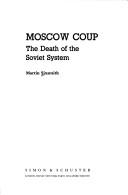
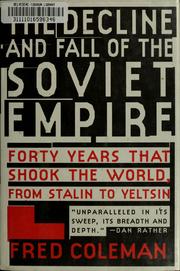
Voices From the Political Moment

The State Committee on the State of Emergency, composed of top officials including Vice President Gennady Yanayev, sought to reverse the decentralization trends promoted by Mikhail Gorbachev. Their primary motivation stemmed from anger over the loss of control in Eastern Europe and fear of the New Union Treaty. While KGB agents successfully detained Gorbachev at his dacha, they could not prevent Boris Yeltsin from mobilizing opposition. The chronicle of these days highlights the disorganization of the GKChP and the swift emergence of civilian resistance in Moscow. Yeltsin's refusal to submit to the coup leaders galvanized public support. The timeline shows a rapid decline in the plotters' authority, culminating in their capitulation and the restoration of Gorbachev to his presidential duties.
Although Mikhail Gorbachev returned to office, the power dynamics had shifted dramatically in favor of Boris Yeltsin. The hardliners who formed the State Committee on the State of Emergency lost their positions and influence within the government. The immediate consequence of this collapse was the disintegration of the Communist Party of the Soviet Union, which had long been the central pillar of state authority. The coup's failure accelerated the process leading to the dissolution of the USSR. Wendy Varney and Brian Martin note in their 2000 study for Peace Research that the collective resistance demonstrated how civilian action could exploit the volatility of military loyalties. The historical narrative emphasizes the vulnerability of the central government and the rising autonomy of the republics during this critical period.
Timeline: the road to Coup and its aftermath
- 1985 Mikhail Gorbachev assumes power as General Secretary of the Communist Party of the Soviet Union
- August 19, 1991 The State Committee on the State of Emergency launches the coup attempt
- August 21, 1991 The coup attempt against Mikhail Gorbachev collapses
- August 1991 Mikhail Gorbachev returns to office and the Communist Party of the Soviet Union collapses
- December 1991 The dissolution of the USSR occurs four months after the coup
Law, Office, and Public Reaction

Following the capitulation of the State Committee on the State of Emergency, the political landscape of the Soviet Union shifted dramatically. Boris Yeltsin emerged as the dominant leader in the aftermath, capitalizing on his role in organizing the resistance against the hardliners. The Supreme Court of the Russian Soviet Federative Socialist Republic and President Gorbachev officially described the actions of the GKChP as a coup attempt. This legal designation underscored the illegitimacy of the seizure of power. The immediate consequence was the collapse of the Communist Party of the Soviet Union, which had previously held central control over the state apparatus.
The failure of the August 1991 coup attempt accelerated the disintegration of the Soviet Union. Boris Yeltsin's demand for more autonomy for the republics had opened a window for the plotters to organize their intervention. However, their poor organization and the effective resistance from civilian protesters in Moscow undermined their efforts. The military's stance proved crucial, as leading members of the Communist Party, including Defense Minister Dimitri Yazov, failed to secure full loyalty. The events demonstrated the volatility of military loyalties and the power of civilian persuasion in opposing authoritarian measures.
The Order It Left Behind

Boris Yeltsin's leadership and the mobilization of civilian protesters in Moscow played pivotal roles in defeating the coup. The events underscored the fragility of the Soviet Union's central authority and the growing autonomy of its republics. The subsequent dissolution of the USSR four months later confirmed the irreversible nature of these political changes.
The legacy of the August 1991 coup attempt lies in its demonstration of the power of nonviolent resistance and the importance of military loyalty. The hardliners, including Vice President Gennady Yanayev, underestimated the resolve of the civilian population and the political influence of Boris Yeltsin. The events highlighted the vulnerabilities of authoritarian regimes and the potential for civilian action to effect significant political change. The collapse of the Communist Party and the eventual dissolution of the Soviet Union were direct consequences of this failed intervention. The historical record emphasizes the critical role of public resistance in shaping political outcomes.

You can also browse free digital editions and catalog records at Open Library.
Analysis: 1991 Soviet coup attempt
What the evidence supports and leaves unresolved
What the record supports
- Yeltsin's Resistance Strategy: The source documents how Boris Yeltsin, the president of Russia, organized effective resistance against the State Committee on the State of Emergency. This political mobilization directly countered the poorly organized efforts of the GKChP leaders. Opposed to Gorbachev's reform program, they were angry at the loss of control over Eastern European states and fearful of the New Union Treaty, which was on the verge of being signed by the Soviet Union (USSR).
- GKChP Organizational Failure: The record explicitly states that the State Committee on the State of Emergency was poorly organized. This lack of coordination among the top military and civilian officials, including Vice President Gennady Yanayev, undermined their ability to maintain control. The disorganization contributed significantly to the rapid collapse of the coup attempt within two days.
- Civilian Protest Impact: In the 1991 Soviet coup attempt source record, the source highlights the role of a civilian campaign of anti-authoritarian protesters, mainly in Moscow, in opposing the coup. This public resistance, alongside Yeltsin's leadership, demonstrated the power of nonviolent action against the authoritarian measures imposed by the hardliners. The collective refusal to accept the illegal seizure of power was a decisive factor.
Limits and unresolved questions
- Failed Detention of Yeltsin: The GKChP dispatched KGB agents who detained Gorbachev at his dacha but failed to detain Boris Yeltsin, the recently elected president of Russia. The inability to secure his arrest was a major strategic error that contributed to the failure of the hardliners' attempt to seize control.
- Military Loyalty Volatility: The source notes the volatility of military loyalties during the coup. Although leading members of the Communist Party, including Defense Minister Dimitri Yazov, were involved, they failed to secure full military support. The military's stance proved crucial, and their lack of unified backing for the hardliners undermined the coup's effectiveness.
- Gorbachev's Diminished Authority: Despite returning to office after the coup collapsed, Mikhail Gorbachev lost much of his influence. The failure of the hardliners did not restore his political standing. Instead, Boris Yeltsin emerged as the dominant leader, highlighting the erosion of Gorbachev's authority and the shift in power dynamics within the Soviet Union.
The 1991 Soviet coup attempt, which collapsed on August 21, 1991, marked a pivotal moment in the dissolution of the USSR. The State Committee on the State of Emergency, led by Vice President Gennady Yanayev, sought to halt Mikhail Gorbachev's reforms and the New Union Treaty. The GKChP was poorly organized and met with effective resistance by both Yeltsin and a civilian campaign of anti-authoritarian protesters, mainly in Moscow. Yeltsin's leadership and civilian protests in Moscow played crucial roles in defeating the coup. The immediate collapse of the Communist Party of the Soviet Union followed, accelerating the end of the Soviet Union four months later.
Evidence Map: How We Checked the Central Claim
What the sources verify and how they were used
This comparison separates the event page selected for the account from the independently verified page used to corroborate it.
Central claim checked: Coup attempt against Mikhail Gorbachev collapses.
| Direct source | Verification role | Coverage |
|---|---|---|
| 1991 Soviet coup attempt · Wikipedia Accessed 2026-08-21 | Selected event record | Supports the central claim shown above. |
| Lessons from the 1991 Soviet coup, by Wendy Varney and Brian Martin · documents.uow.edu.au Accessed 2026-08-21 | Independent corroboration | Supports the central claim shown above. |
You Might Also Like


Why did the 1991 Soviet coup attempt fail?
The lead-up included Mikhail Gorbachev assumes power as General Secretary of the Communist Party of the Soviet Union; The State Committee on the State of Emergency launches the coup attempt.
Key figures included Mikhail Gorbachev, Boris Yeltsin, Gennady Yanayev.
In the aftermath: Mikhail Gorbachev returns to office and the Communist Party of the Soviet Union collapses; The dissolution of the USSR occurs four months after the coup.
The source documents how Boris Yeltsin, the president of Russia, organized effective resistance against the State Committee on the State of Emergency.