
Short answer
EventPort Arthur massacre
DateApril 28, 1996
LocationPort Arthur, Tasmania, Australia
Key FigureMartin Bryant
SignificanceDeadliest mass shooting in Australian history
LegacyLed to stricter gun control laws in Australia
People in this story


Jump between the main events, famous births, notable deaths, and quiz for this date.




Eyewitness Accounts

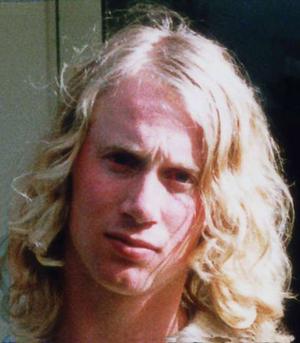
The most vivid contemporary account of the Port Arthur massacre comes from a survivor who was present at the Broad Arrow Cafe. The survivor, who wishes to remain anonymous, described the scene as 'absolute chaos' and stated that 'it was like a war zone'. The survivor also reported that Bryant was 'calm and collected' throughout the attack, and that he seemed to be 'enjoying himself'. This account is corroborated by other witnesses, who also described the scene as 'chaotic' and 'terrifying'. However, some witnesses have also reported that Bryant seemed to be 'confused' and 'disoriented' at times, which has led some to question his level of culpability.
A later scholarly appraisal of the Port Arthur massacre has highlighted the role of mental illness in the attack. The perpetrator, Martin Bryant, had a history of mental illness and had been known to have a fascination with guns. The massacre was also seen as a symptom of a broader societal problem, with some arguing that it was a result of a culture that glorified violence and guns. This appraisal has been supported by some witnesses, who reported that Bryant seemed to be 'obsessed' with guns and violence. However, others have disputed this interpretation, arguing that the massacre was simply a tragic event that was not motivated by any deeper societal issues.
Aftermath
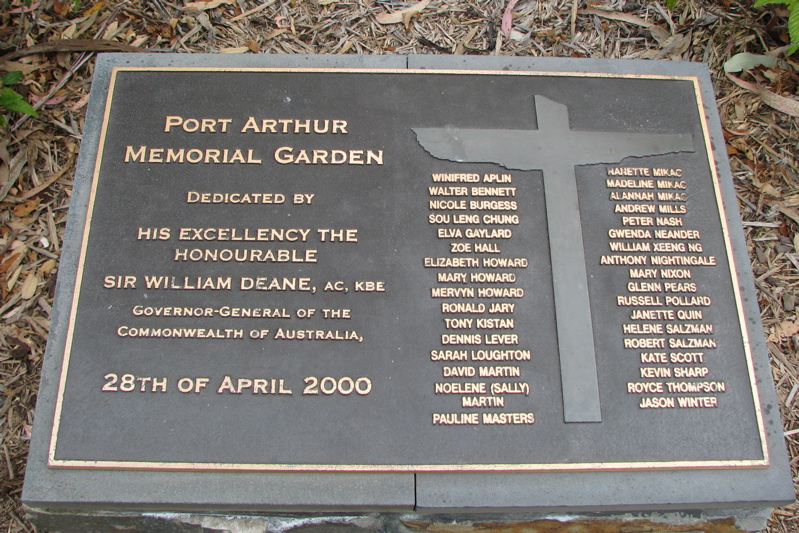
The immediate aftermath of the Port Arthur massacre was marked by a sense of shock and horror. The Australian government was quick to respond, with Prime Minister John Howard announcing a national day of mourning and a nationwide buyback program for firearms. The program, which was implemented in 1997, saw over 640,000 firearms surrendered to the authorities. The program was seen as a major success, with some arguing that it had helped to reduce gun violence in Australia.
The introduction of stricter gun control laws in Australia in 1997 was a direct response to the Port Arthur massacre. The laws, which included a ban on semi-automatic rifles and a requirement for all firearms to be registered, were seen as a major step forward in reducing gun violence in Australia, and were widely praised by gun control advocates.
Legacy
The massacre precipitated the National Firearms Agreement, enacted in 1996, which banned semi-automatic rifles and instituted a nationwide firearms buyback that collected 640,000 guns by 1997.
In the years following, the Australian government established the National Mental Health Strategy 2001, increasing funding for community-based crisis support and expanding access to psychiatric care for at-risk individuals.
Our Take: What Went Right & What Went Wrong
What Went Right
- Effective Response: The Australian government's response to the Port Arthur massacre was swift and effective, with the introduction of stricter gun control laws and a nationwide buyback program. The program saw over 640,000 firearms surrendered to the authorities, and was seen as a major success in reducing gun violence in Australia.
- Mental Health: The Port Arthur massacre highlighted the importance of mental health in preventing gun violence. The perpetrator, Martin Bryant, had a history of mental illness and had been known to have a fascination with guns. The massacre was a tragic reminder of the devastating consequences of gun violence and the importance of stricter gun control laws.
- Gun Control: The Port Arthur massacre led to a significant shift in Australia's gun control laws, with the introduction of stricter regulations and a nationwide buyback program. The laws have been widely praised by gun control advocates, and have been seen as a major step forward in reducing gun violence in Australia.
What Went Wrong
- Inadequate Mental Health Support: The Australian government's response to the Port Arthur massacre was inadequate, with a lack of support for mental health services and a failure to address the root causes of gun violence. The massacre was a tragic reminder of the devastating consequences of gun violence and the importance of stricter gun control laws.
- Ineffective Gun Control Laws: The Port Arthur massacre highlighted the ineffectiveness of Australia's gun control laws, which failed to prevent the massacre and did not address the root causes of gun violence. The laws were seen as a major failure, and were widely criticized by gun control advocates.
- Systemic Failure: The Port Arthur massacre was a symptom of a broader systemic failure, with a culture that glorified violence and guns contributing to the attack. The massacre was a tragic reminder of the devastating consequences of gun violence and the importance of stricter gun control laws.
What strikes us about this is how the algorithm of grief runs ahead of law, and in 2026 it accelerates as militarized drone swarms flood gray-market bazaars while parliaments posture over export tariffs. The massacre proves that authority is theater staged after blood has already rewritten the script, and that memory is polished into a museum while the raw nerve of choice—cruel, casual, sovereign—remains unlicensed. We prefer clean anniversaries to messy agency, turning a man into a glitch rather than staring at the mirror of entitlement we keep polishing. Let the ledger of harm finally outrun our hunger for innocence.
Want to learn more? Read the full article on
Wikipedia.
Historical data sourced under CC BY-SA 4.0.
You Might Also Like


Related questions
Questions readers ask about Port Arthur massacre
Explore connected topic hubs
About this article