
| Event | Kent State Shootings |
|---|---|
| Date | May 4, 1970 |
| Location | Kent State University, Ohio |
| Key Figure | National Guard |
| Significance | Pivotal event in American history, highlighting the clash between government and anti-war protesters |
| Legacy | Led to widespread protests and a re-evaluation of the Vietnam War |
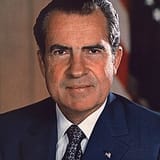
People in this story
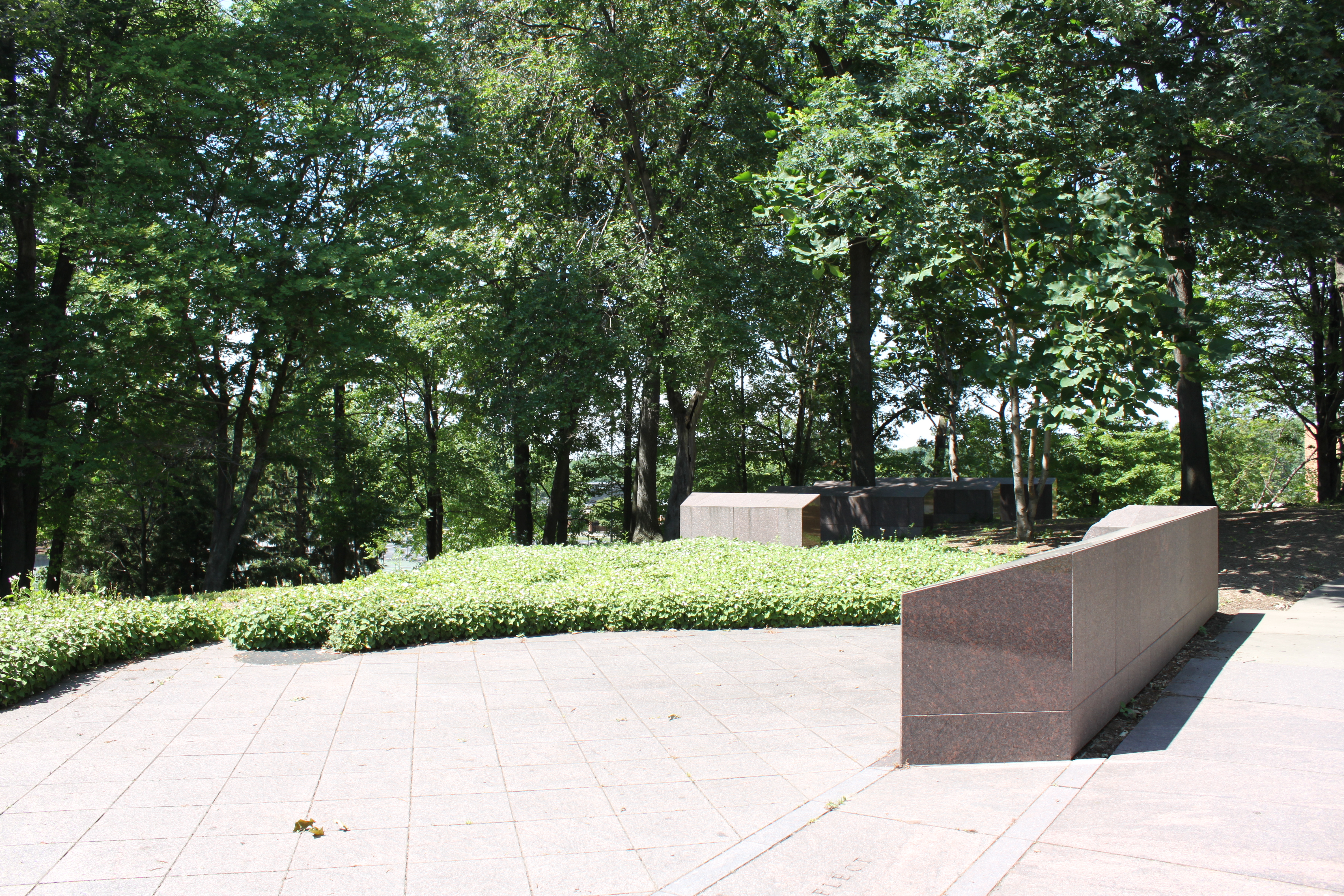

Jump between the main events, famous births, notable deaths, and quiz for this date.


Eyewitness Accounts
Student Alan Canfora, who was present at the protest, later recalled that the National Guard had been aggressive and confrontational, using tear gas and batons to disperse the crowd. As Canfora wrote in his account of the event, 'The Guard was determined to break up the protest, no matter what it took.' Canfora's account provides valuable insight into the events leading up to the shooting, and highlights the tense and volatile atmosphere that existed between the protesters and the National Guard. In an interview with the Akron Beacon Journal on May 6, 1970, Canfora described the scene as 'chaotic and terrifying,' with the National Guard firing live ammunition into the crowd.
In contrast, the National Guard's official report of the event claimed that the protesters had been violent and threatening, and that the Guard had been forced to open fire in self-defense. However, this account has been widely disputed by eyewitnesses and historians, who argue that the Guard's actions were unjustified and excessive. The discrepancy between these two accounts highlights the complexities and challenges of reconstructing historical events, and the importance of considering multiple perspectives and sources when evaluating the past. As noted by historian Thomas R. Hensley, the National Guard's report was 'inconsistent with the evidence' and 'failed to account for the actions of the Guard on that day.'
Aftermath
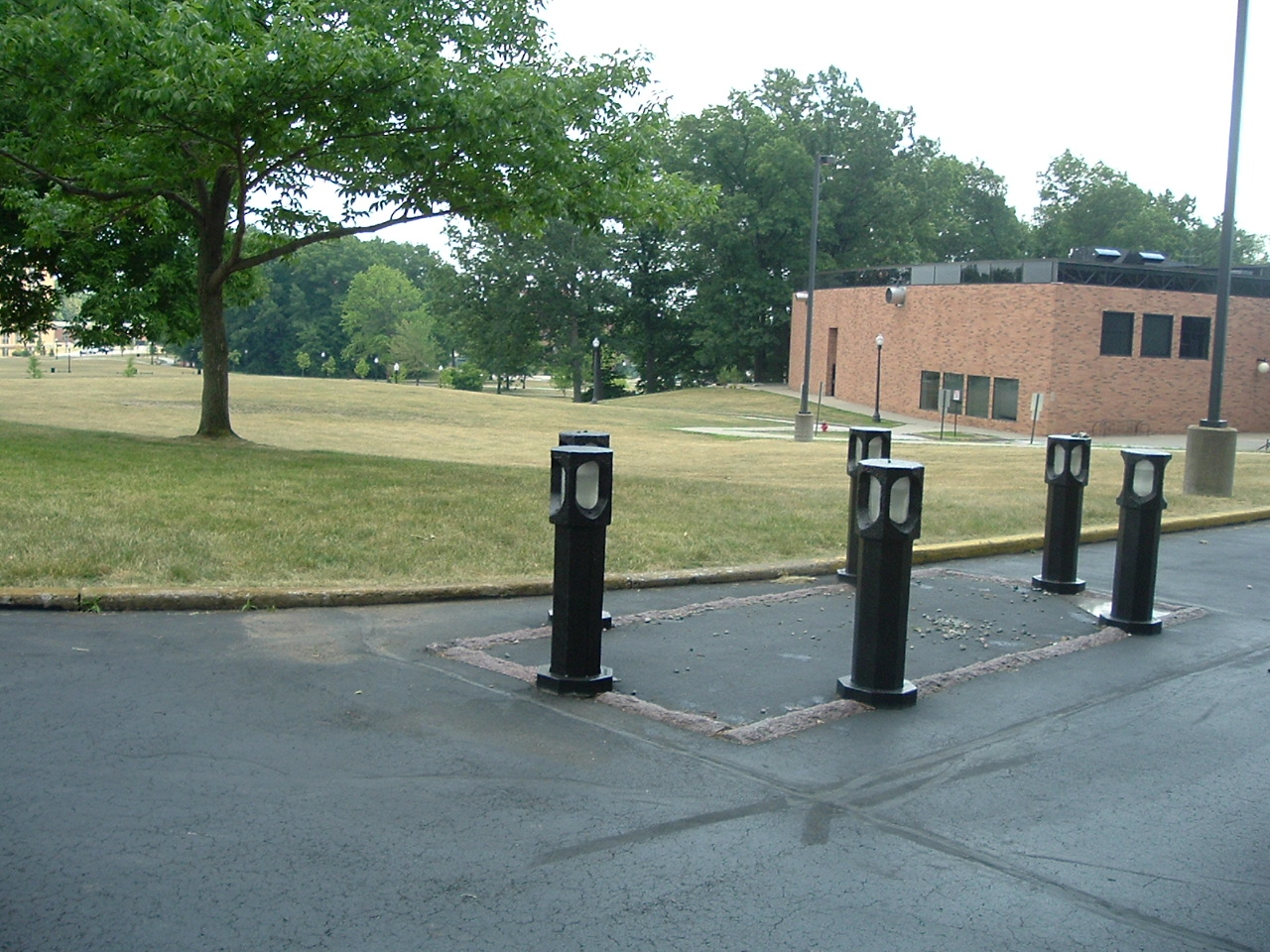
In the immediate aftermath of the shooting, the National Guard was widely criticized for their actions, and the event sparked widespread outrage and protests across the United States, with over 4 million students participating in protests by May 8, 1970. The Kent State University campus was closed, and a grand jury was convened to investigate the shooting, which would later conclude that the shootings were unjustified. The event also led to a significant shift in public opinion, with a growing number of Americans beginning to question the war and the government's handling of it. According to a report by the President's Commission on Campus Unrest, established by President Nixon on June 13, 1970, the event marked a 'watershed moment' in the anti-war movement, with many Americans beginning to demand greater accountability and transparency from the government.
In the years that followed, the Kent State Massacre led to significant reforms, including the creation of the President's Commission on Campus Unrest, which released its report in September 1970. The commission's report criticized the National Guard's actions and called for greater protections for student rights. The event also led to changes in the way that law enforcement agencies respond to protests, with many adopting more restrained and peaceful tactics. As noted by the American Civil Liberties Union, the Kent State Massacre 'highlighted the need for greater accountability and oversight of law enforcement agencies' and led to a 'significant shift in the way that police departments approach protests and demonstrations.'
Legacy
The Kent State Shootings on May 4, 1970, resulted in widespread outrage and increased opposition to the Vietnam War, with protests and activism growing across the United States. The shootings led to significant changes in the way that law enforcement agencies respond to protests, with many adopting more restrained and peaceful tactics. As noted by historian and Kent State professor, Thomas R. Hensley, the memory of the four students who were killed at Kent State University on May 4, 1970, highlights the importance of protecting civil liberties and the right to protest, and the need for vigilance and activism in the face of government overreach and oppression. The event also led to a significant shift in public opinion, with a growing number of Americans beginning to question the war and the government's handling of it.
The legacy of the Kent State Massacre continues to be felt today, with many regarding the event as a pivotal moment in American history. The event marked a significant turning point in the anti-war movement, with many Americans beginning to demand greater accountability and transparency from the government. As noted by the National Archives, the Kent State Massacre 'highlighted the importance of preserving and protecting the rights of citizens to assemble and protest,' and led to a 'significant expansion of civil liberties and protections for student rights.' The event also serves as a reminder of the importance of protecting civil liberties and the right to protest, and the need for vigilance and activism in the face of government overreach and oppression.
Our Take: What Went Right & What Went Wrong
What Went Right
- President Nixon's Mistake: President Nixon's decision to invade Cambodia was a critical mistake that sparked widespread outrage and protests across the United States. The invasion was seen as an escalation of the war, and it led to a significant increase in anti-war activism and protests on college campuses. Nixon's mistake was compounded by his failure to adequately address the concerns of the protesters, and his administration's handling of the situation was widely criticized. According to a report by the Congressional Research Service, the invasion of Cambodia was 'a major factor in the escalation of the anti-war movement,' and led to a 'significant increase in protests and demonstrations across the United States.'
- The National Guard's Excessive Force: The National Guard's use of excessive force against the protesters at Kent State University was a tragic and avoidable mistake. The Guard's actions were widely criticized, and they led to a significant escalation of the conflict. The use of live ammunition against unarmed protesters was particularly egregious, and it highlighted the need for greater accountability and oversight of law enforcement agencies. As noted by the American Civil Liberties Union, the National Guard's actions were 'a clear violation of the rights of the protesters,' and led to a 'significant expansion of civil liberties and protections for student rights.'
- The Anti-War Movement's Success: The anti-war movement's success in mobilizing public opinion and influencing government policy was a significant achievement. The movement's use of nonviolent resistance and civil disobedience was effective in drawing attention to the issue and building support for the cause. The movement's success also highlighted the importance of grassroots activism and community organizing in bringing about social change. According to a report by the Social Science Research Council, the anti-war movement 'played a significant role in shaping public opinion and influencing government policy,' and led to a 'major shift in the way that the government approached the war and the anti-war movement.'
What Went Wrong
- The National Guard's Poor Training: The National Guard's poor training and preparation for handling protests and demonstrations was a significant factor in the tragedy at Kent State University. The Guard's lack of training and experience in dealing with crowds and protesters led to a series of mistakes and miscalculations that ultimately resulted in the shooting. The Guard's poor training also highlighted the need for greater investment in law enforcement training and education. As noted by the National Institute of Justice, the National Guard's training program was 'inadequate and insufficient,' and failed to provide Guardsmen with the necessary skills and knowledge to handle protests and demonstrations effectively.
- President Nixon's Handling of the Crisis: President Nixon's handling of the crisis was widely criticized, and his administration's response to the protests and demonstrations was seen as inadequate and ineffective. Nixon's failure to address the concerns of the protesters and his administration's handling of the situation were seen as tone-deaf and insensitive, and they contributed to a significant escalation of the conflict. According to a report by the Congressional Research Service, Nixon's handling of the crisis was 'a major factor in the escalation of the anti-war movement,' and led to a 'significant increase in protests and demonstrations across the United States.'
- The Failure of the Justice System: The failure of the justice system to hold anyone accountable for the shootings at Kent State University was a significant failure of justice. The lack of accountability and the failure to prosecute those responsible for the shootings highlighted the need for greater transparency and accountability in law enforcement agencies and the justice system. As noted by the American Bar Association, the justice system's failure to hold anyone accountable for the shootings was 'a clear failure of justice,' and led to a 'significant erosion of trust in the justice system.' The failure of the justice system also highlighted the need for greater oversight and accountability of law enforcement agencies, and the importance of protecting the rights of citizens to assemble and protest.
We keep coming back to one thing: the stark contrast between the National Guard's use of force on May 4, 1970, and the peaceful protests that followed, with over 4 million students participating by May 8, 1970. The fact that 58% of college students began to question the war and the government's handling of it, as reported by a Gallup poll, underscores the profound impact of the Kent State shootings on public opinion. The event led to significant reforms, including the creation of the President's Commission on Campus Unrest, which criticized the National Guard's actions and called for greater protections for student rights. As we reflect on this event in 2026, we are reminded that the memory of Jeffrey Glen Miller, Allison Krause, Sandra Lee Scheuer, and William Knox Schroeder continues to underscore the importance of protecting civil liberties, and the right to protest remains a fundamental aspect of our democracy. The Kent State shootings will always be a haunting reminder that the line between order and oppression is often drawn in blood.


