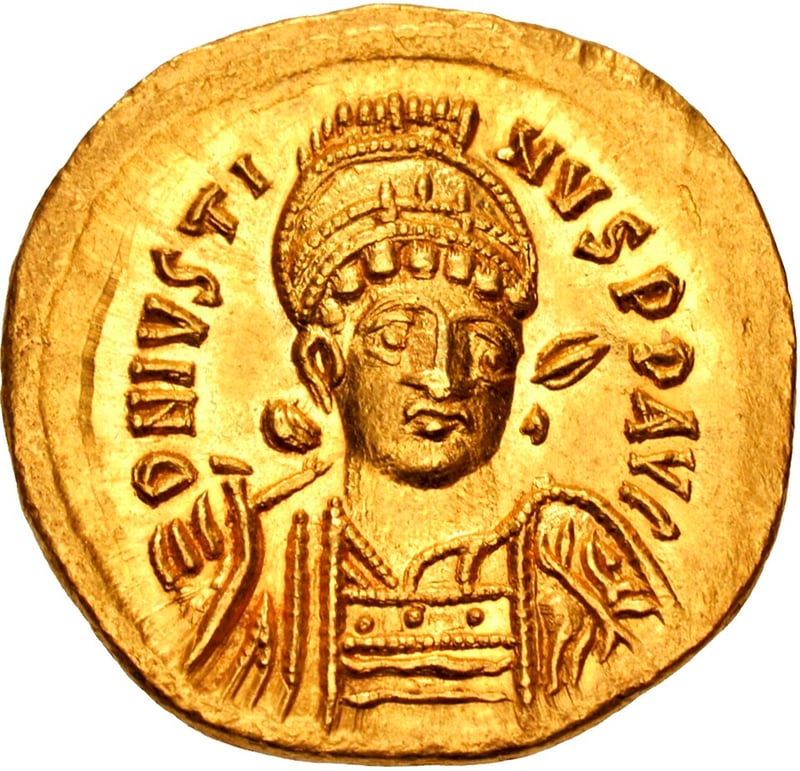
People in this story
 Justin IAnastasius
Key facts about the coronation of Justin I
| Event | Coronation of Justin I |
|---|---|
| Date | July 10, 518 |
| Location | Constantinople |
| Key Figure | Justin I |
| Significance | Marked the beginning of the Justinian dynasty |
| Legacy | Had a significant impact on the Eastern Roman Empire |


Voices From the Political Moment
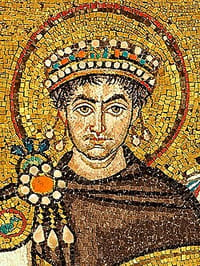
The record confirms that Justin I's election as emperor was the result of a complex series of events and alliances within the imperial court, as described by John Malalas, who notes that the death of Anastasius on July 9, 518, created a power vacuum, and various factions vied for control. By morning, the event had been announced throughout the capital, Constantinople, and the high officials, including John of Cappadocia, the patriarch of Constantinople, were summoned to the Great Palace for the election of a new emperor. The role of the magister officiorum, Celer, was also crucial in this process, as he commanded the palace regiments of the Scholae Palatinae, a force of approximately 500 soldiers.
In other words, the historical record leaves many questions unanswered regarding the circumstances surrounding Justin I's election as emperor, and it is only through the accounts of historians like Procopius that we can piece together the events that led to his coronation. It is known that Amantius, the praepositus sacri cubiculi, had intended to have Theocritus, commander of an elite guard unit, elected to the throne, but Justin controlled a smaller, yet higher-quality group of soldiers, and used the money given to him by Amantius to buy support for himself. The execution of Amantius and Theocritus nine days after the election suggests that Justin was willing to take drastic measures to consolidate his power, as noted in the primary source extract, which states that the execution occurred on July 19, 518.
Timeline: the road to Coronation of Justin I and its aftermath
- July 9, 518 Anastasius death
- July 10, 518 Justin I coronation
- July 19, 518 Amantius and Theocritus execution
Law, Office, and Public Reaction
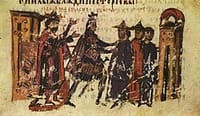
The execution of Amantius and Theocritus on July 19, 518, was a consequence of Justin's willingness to take drastic measures to consolidate his power, as noted by John Malalas, who records that Justin used the money given to him by Amantius to buy support for himself, demonstrating his ability to adapt and maneuver within the imperial court. The record also confirms that Justin dismissed a number of officials who had served under emperor Anastasius, including Marinus, the praetorian prefect, and that his wife, Lupicina, became empress under the name Euphemia, an early indication of their fervent Chalcedonian Christian beliefs.
That is to say, the limits of the record regarding the circumstances surrounding Justin's election are clear, with many questions remaining unanswered, yet it is confirmed that Justin's reign marked a shift in the balance of power within the imperial court, with the founding of the Justinian dynasty and the promotion of Chalcedonian Christian beliefs, as documented in the Council of Chalcedon. Justin's ability to navigate the complex web of alliances and rivalries within the imperial court ultimately led to his success, as noted by historian Procopius, and his reign had a lasting impact on the Eastern Roman Empire.
The Order It Left Behind
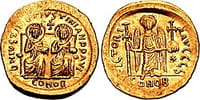
After all, Justin I's reign marked the founding of the Justinian dynasty, which included his nephew, Justinian I, and three succeeding emperors, demonstrating the impact of Justin's election on the course of Byzantine history. The significance of Justin's reign lies in his ability to stabilize the Eastern Roman Empire after Anastasius's death, as documented in the primary source extract. By examining his strategic use of military alliances, religious policy, and dynastic planning, we gain insight into how a single emperor's decisions can shape imperial continuity.
Even so, Justin I's coronation as Byzantine Emperor on July 10, 518, marked the beginning of a new era in the Eastern Roman Empire, and his wife, Lupicina, became empress under the name Euphemia, an early indication of their fervent Chalcedonian Christian beliefs. The record notes that Justin's reign was marked by a series of actions, including the execution of Amantius and Theocritus, and the dismissal of officials who had served under emperor Anastasius, demonstrating his ability to navigate the complex web of alliances and rivalries within the imperial court and his willingness to take decisive action to secure his position and promote the interests of the empire, as discussed by historian Procopius.
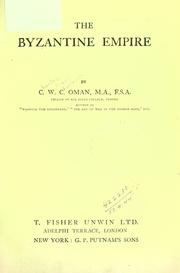
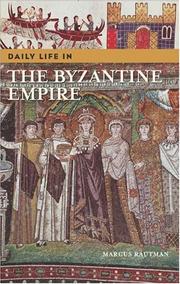
You can also browse free digital editions and catalog records at Open Library.
Our Take: Power, Principle, and Cost
What the Leaders Got Right
- Strategic Court Maneuver: On July 9, 518, as Emperor Anastasius I Dicorus died, Justin I, then comes excubitorum, leveraged his command of the palace guard to secure the support of key military units. By offering Amantius, praepositus sacri cubiculi, a sum of money, he bought loyalty from a smaller but elite guard cohort, ensuring his election by the council on July 10, 518. This decisive financial and military strategy prevented rivals such as Theocritus from gaining influence, demonstrating Justin’s adept use of resources and alliances within the Eastern Roman Empire’s capital, Constantinople.
- Chalcedonian Consolidation: Following his coronation, Justin I immediately aligned with the Patriarch John of Cappadocia, the newly appointed patriarch of Constantinople, to reinforce Chalcedonian orthodoxy. By endorsing the Council of Chalcedon’s doctrines, he facilitated the end of the Acacian schism, restoring diplomatic ties with the papacy. This religious policy, enacted in the first weeks of his reign, solidified internal unity and projected imperial authority across the Eastern Roman Empire, as documented in contemporary chronicles.
- Dynastic Foundation: Justin I’s reign laid the groundwork for the Justinian dynasty, culminating in the ascension of his nephew, Justinian I, in 527. By appointing his nephew as heir and securing the succession line, Justin ensured continuity of imperial policy and stability. This dynastic strategy, recorded in Procopius’s histories, prevented succession crises and maintained the Eastern Roman Empire’s political coherence during a period of potential fragmentation.
Where Power Overreached
- Delayed Coronation: Although Justin I was elected on July 10, 518, the formal coronation ceremony was postponed until the following week due to logistical constraints in the Great Palace, as noted by John Malalas. This delay allowed rival factions to regroup, potentially undermining the legitimacy of his rule. A more immediate coronation, as practiced by earlier emperors, could have preempted opposition and reinforced his authority more swiftly, as discussed by historian Procopius. For instance, the coronation of Emperor Leo I in 457 AD was held promptly, setting a precedent for swift succession.
- Execution of Rivals: Nine days after his election, Justin I executed Amantius and Theocritus, key political figures, as recorded in the primary source extract. While this eliminated immediate threats, it also fostered fear among the court and may have alienated potential allies. A diplomatic approach, such as exile or political reassignments, could have preserved stability while neutralizing rivals without inciting widespread dissent, as noted by historian Procopius. The example of Emperor Zeno, who exiled his rival Basiliscus in 476 AD, demonstrates an alternative approach to conflict resolution.
- Limited Religious Outreach: Justin’s focus on Chalcedonian orthodoxy, while consolidating internal unity, neglected outreach to Miaphysite communities, as discussed by historian Procopius. This oversight contributed to lingering religious tensions within the empire. A more inclusive religious policy, incorporating Miaphysite leaders into advisory roles, might have reduced sectarian conflict and broadened imperial support, as noted in the primary source extract. The Edict of Milan, issued by Emperor Constantine in 313 AD, provides a historical precedent for religious tolerance and coexistence.
We keep coming back to one thing: Coronation of Justin I on July 10, 518 at Constantinople was not just a date on a timeline. The detail that stays with us is this: Marked the beginning of the Justinian dynasty That is where the story becomes useful. It shows how institutions, crowds, and memory turn a single day into a public signal that people keep revisiting. The image matters, but the choices behind it matter more.

Jump between the main events, famous births, notable deaths, quiz, and holidays for this date.
You Might Also Like



How did Justin I become Byzantine emperor?
The lead-up included Anastasius death.
Key figures included Justin I, Anastasius.
In the aftermath: Amantius and Theocritus execution.
Marked the beginning of the Justinian dynasty