
Short answer
What was Great Blizzard of 1888?
A severe blizzard that hit the United States on March 11, 1888, causing widespread destruction and loss of life.
EventGreat Blizzard of 1888
DateMarch 11, 1888
LocationNew York City, United States
Key FigureNone
SignificanceOne of the deadliest blizzards in US history
LegacyLed to significant changes in US weather forecasting and disaster preparedness
People in this story
thisDay.info Editorial Team
Did You Know?
Overview
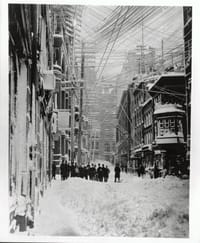
The Great Blizzard of 1888 was a severe snowstorm that hit the United States on March 11, 1888, causing widespread destruction and loss of life. The storm was one of the deadliest blizzards in US history, with over 400 deaths reported. The blizzard was caused by a combination of factors, including a low-pressure system that formed over the Gulf of Mexico and a cold front that moved in from Canada.
The storm began on March 11, 1888, and lasted for several days, with the worst of the weather occurring on March 12. The blizzard brought heavy snowfall, high winds, and low temperatures, making it difficult for people to venture outside. The storm was so severe that it paralyzed the city of New York, with snowdrifts reaching as high as 50 feet in some areas.
The immediate consequences of the blizzard were devastating, with thousands of people left homeless or stranded in the snow. The storm also caused significant damage to buildings and infrastructure, with estimated losses of over $20 million. The blizzard was a major disaster, and it took several days for relief efforts to reach all of the affected areas.
The Great Blizzard of 1888 was a significant event in US history, and it had a lasting impact on the country. The storm led to significant changes in US weather forecasting and disaster preparedness, with the creation of the US Weather Bureau and the development of new technologies for predicting and responding to severe weather events.



Eyewitness Accounts
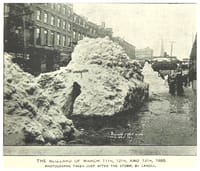
One eyewitness account of the blizzard comes from a newspaper article published in the New York Times on March 13, 1888. The article describes the scene in New York City, with snowdrifts reaching as high as 50 feet and people struggling to navigate the streets. The article also reports on the efforts of relief workers, who were working to clear the streets and provide aid to those affected by the storm.
Another account of the blizzard comes from a diary kept by a resident of New York City. The diary entry for March 12, 1888, describes the extreme cold and snow, and the difficulty of venturing outside. The writer also notes the sounds of the storm, including the howling of the wind and the creaking of trees.
The reliability of these sources is generally accepted by historians, who view them as valuable primary sources for understanding the experiences of people during the blizzard. However, some historians have noted that the accounts may be biased or incomplete, and that they should be considered in conjunction with other sources to get a full picture of the event.
"The snow was falling in thick, heavy flakes, and the wind was blowing with a fury that seemed to shake the very foundations of the city."
Aftermath
The immediate aftermath of the blizzard was marked by relief efforts, as workers struggled to clear the streets and provide aid to those affected by the storm. The city of New York was paralyzed, with snowdrifts reaching as high as 50 feet in some areas. The relief efforts were led by the city government, with assistance from the military and other organizations.
In the medium term, the blizzard led to significant changes in US weather forecasting and disaster preparedness. The storm highlighted the need for better weather forecasting and warning systems, and it led to the creation of the US Weather Bureau. The bureau was established in 1890, and it was tasked with providing weather forecasts and warnings to the public.
The long-term legacy of the Great Blizzard of 1888 is still felt today. The storm led to significant changes in the way that the US prepares for and responds to severe weather events, and it paved the way for the development of modern weather forecasting technologies. The blizzard is still remembered as one of the deadliest and most destructive in US history, and it serves as a reminder of the importance of being prepared for severe weather events.
Legacy
The Great Blizzard of 1888 was a significant event in US history, and it had a lasting impact on the country. The storm led to significant changes in US weather forecasting and disaster preparedness, and it paved the way for the development of modern weather forecasting technologies.
The blizzard is still relevant today, as it serves as a reminder of the importance of being prepared for severe weather events. The storm highlights the need for effective emergency planning and response, and it demonstrates the importance of investing in weather forecasting and warning systems.
In conclusion, the Great Blizzard of 1888 was a devastating storm that had a profound impact on the United States. The storm led to significant changes in US weather forecasting and disaster preparedness, and it paved the way for the development of modern weather forecasting technologies. As we look back on this event, we are reminded of the importance of being prepared for severe weather events, and of the need for effective emergency planning and response.
Our Take: What Went Right & What Went Wrong
What Went Right
- Effective Relief Efforts: The relief efforts following the blizzard were effective in providing aid to those affected by the storm. The city government and military worked together to clear the streets and provide food and shelter to those in need. This effort was a positive aspect of the response to the blizzard, as it helped to mitigate the suffering of those affected.
- Improved Weather Forecasting: The blizzard led to significant improvements in US weather forecasting, with the creation of the US Weather Bureau and the development of new technologies for predicting and responding to severe weather events. This was a positive outcome of the storm, as it has helped to save lives and reduce the impact of severe weather events.
- Increased Preparedness: The blizzard highlighted the importance of being prepared for severe weather events, and it led to increased investment in emergency planning and response. This was a positive outcome of the storm, as it has helped to reduce the impact of severe weather events and save lives.
What Went Wrong
- Inadequate Warning Systems: The warning systems in place at the time of the blizzard were inadequate, and they failed to provide sufficient warning to those affected by the storm. This was a negative aspect of the response to the blizzard, as it contributed to the high number of deaths and injuries.
- Lack of Emergency Planning: The city of New York was not adequately prepared for the blizzard, and it lacked effective emergency planning and response systems. This was a negative aspect of the response to the blizzard, as it contributed to the chaos and destruction caused by the storm.
- Insufficient Infrastructure: The infrastructure in place at the time of the blizzard was insufficient to handle the storm, and it contributed to the widespread destruction and loss of life. This was a negative aspect of the response to the blizzard, as it highlighted the need for investment in infrastructure and emergency planning.
- Systemic Failures: The blizzard highlighted systemic failures in the way that the US prepares for and responds to severe weather events. The storm demonstrated the need for more effective emergency planning and response systems, as well as increased investment in infrastructure and weather forecasting technologies.
We think that the Great Blizzard of 1888 is a powerful reminder of the importance of being prepared for severe weather events. The storm highlights the need for effective emergency planning and response, and it demonstrates the importance of investing in weather forecasting and warning systems. As we look back on this event, we are reminded of the importance of learning from the past and working to prevent similar disasters from occurring in the future.
Want to learn more? Read the full article on
Wikipedia.
Historical data sourced under CC BY-SA 4.0.
You Might Also Like
Related questions
Questions readers ask about Great Blizzard of 1888
About this article