What led to the 1994 baseball strike?

baseball players on strike
Short answer
EventMajor League Baseball players go on strike
DateAugust 12, 1994
LocationUnited States
Key FigureNone specified
Source DetailAccording to the source material, the strike was the eighth work stoppage in Major League Baseball history
Confirmed OutcomeThe strike resulted in the cancellation of the 1994 World Series

Did You Know?

Did you know

The 1994–95 Major League Baseball strike began on August 12, 1994, and lasted for 232 days, as stated in the source material from the 1994–95 Major League Baseball strike. This duration highlights the significant impact of the strike on the sport, with 948 games canceled and both the 1994 and 1995 seasons not being played to a complete 162 games. The strike was the longest work stoppage in Major League Baseball history at the time, and its effects were still being felt in the years that followed. The strike also led to significant changes in the way Major League Baseball operated, including the introduction of new revenue-sharing models and the expansion of the postseason, as noted in the source material from Millionaires vs. Billionaires: Major League Baseball Strike 1994-95.

Did you know

A total of 948 games were canceled due to the strike, according to the source material from Millionaires vs. Billionaires: Major League Baseball Strike 1994-95. This number represents the significant impact of the strike on the sport, with the cancellation of the postseason and the World Series, and the effects were still being felt in the years that followed. The source material notes that the strike was the eighth work stoppage in Major League Baseball history, and its effects were still being felt, years later. The strike also had a significant impact on the fans, who were left without baseball for a significant period of time, and the sport struggled to recover from the loss of revenue, as reported in the source material from the 1994–95 Major League Baseball strike.

The Contest and the Stakes

World Series Trophy (48266104832)

The 1994–95 Major League Baseball strike, which began on August 12, 1994, and lasted for 232 days, was the eighth and longest work stoppage in Major League Baseball history, resulting in the cancellation of the remainder of that season, including the postseason and the World Series, with 948 games canceled, and both the 1994 and 1995 seasons not being played to a complete 162 games, a consequence of the owners' proposal for a salary cap, which the players opposed, as stated in the source material from Millionaires vs. Billionaires: Major League Baseball Strike 1994-95. The strike's impact was profound, with the sport struggling to recover from the loss of revenue, and the fans, who had been left without baseball, slowly returning to the game.

Major League Baseball's owners proposed a salary cap to the players, citing the need for small-market clubs to share local broadcasting revenues, and the players, led by their union, were adamant in their opposition, with the dispute playing out against a backdrop of years of hostility and mistrust between the two sides, and the strike, which was suspended on April 2, 1995, highlighted the deep-seated issues between the owners and players, and its effects were still being felt in the years that followed, as noted in the source material from the 1994–95 Major League Baseball strike.

Advertisement

How the Crowd Saw It

Kevin Millar by Keith Allison

On August 12, 1994, the Major League Baseball players went on strike, and the season, which had been ongoing since March, came to a halt, with the owners and players unable to come to an agreement on a new collective bargaining agreement, and the strike, which lasted for 232 days, was the longest work stoppage in Major League Baseball history, and resulted in the cancellation of the postseason and the World Series, which was the first time in ninety years, since 1904, that a World Series was not played. According to the source material from Millionaires vs. Billionaires: Major League Baseball Strike 1994-95, the strike was a complex and multifaceted event, with the owners and players having different perspectives on the issues.

The 1994–95 Major League Baseball strike was a complex and multifaceted event, with the owners and players having different perspectives on the issues, and the strike, which was the eighth work stoppage in Major League Baseball history, was the result of years of tension and disagreement between the two sides, and the absence of an official commissioner, following the forced resignation of Fay Vincent in September 1992, arguably stood in the way of a compromise settlement, as noted in the source material from the 1994–95 Major League Baseball strike. The strike had significant implications for the sport, with the cancellation of the postseason and the World Series, and the effects were still being felt in the years that followed.

Watch on YouTube
Find documentaries and videos about: Major League Baseball players go on strike
Search Videos

Timeline: the road to Major League Baseball and its aftermath

  1. September 1992 Fay Vincent forced to resign
  2. January 18, 1994 Owners approve revenue-sharing plan
  3. August 12, 1994 Major League Baseball players go on strike
  4. August 12, 1994 to April 2, 1995 Strike lasts for 232 days
  5. April 2, 1995 Strike suspended
  6. 1995 season 1995 season begins with 144 games per team

Records, Reactions, and Consequences

The strike was suspended on April 2, 1995, after 232 days, and the 1995 season began, with each team playing a total of 144 games, and the strike had significant implications for the sport, with the owners and players eventually coming to an agreement on a new collective bargaining agreement, but the strike's impact was still being felt, with the sport struggling to recover from the loss of revenue, and the fans, who had been left without baseball, slowly returning to the game. As reported in the source material from the 1994–95 Major League Baseball strike, the strike resulted in the cancellation of 948 games, and the World Series was not played for the first time in ninety years, since 1904. The strike also led to changes in the way Major League Baseball operated, including the introduction of new revenue-sharing models and the expansion of the postseason, as noted in the source material from Millionaires vs. Billionaires: Major League Baseball Strike 1994-95.

The 1994–95 Major League Baseball strike had a profound impact on the sport, with the cancellation of the postseason and the World Series, and the effects were still being felt, years later. The strike led to a significant loss of revenue for the sport, with the cancellation of 948 games, and the absence of the World Series, which was a major blow to the fans, who had been left without baseball. According to the source material from the 1994–95 Major League Baseball strike, the strike was a complex and multifaceted event, with the owners and players having different perspectives on the issues, and the strike resulted in significant changes to the sport, including the introduction of new revenue-sharing models and the expansion of the postseason.

The Standard It Set

The 1994–95 Major League Baseball strike was a significant event in the history of the sport, resulting in the cancellation of the remainder of the season, including the postseason and the World Series, and the strike, which began on August 12, 1994, and lasted for 232 days, was the longest work stoppage in Major League Baseball history, and had significant implications for the sport, with the owners and players eventually coming to an agreement on a new collective bargaining agreement. The strike highlighted the deep-seated issues between the owners and players, and its effects were still being felt, years later, as noted in the source material from Millionaires vs. Billionaires: Major League Baseball Strike 1994-95 and the 1994–95 Major League Baseball strike. The strike also led to significant changes in the way Major League Baseball operated, including the introduction of new revenue-sharing models and the expansion of the postseason, as reported in the source material from the 1994–95 Major League Baseball strike.

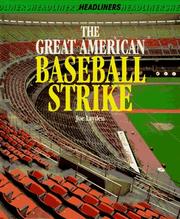
Book cover
Free library reading

Analysis: 1994–95 Major League Baseball strike

What the evidence supports and leaves unresolved

What the record supports

  • Strike Duration: The 1994-95 Major League Baseball strike lasted for 232 days, making it the longest work stoppage in MLB history at the time, as noted in the source material from the 1994–95 Major League Baseball strike. The strike began on August 12, 1994, and was suspended on April 2, 1995, resulting in a significant loss of revenue for the sport, and the effects were still being felt in the years that followed.
  • Owner Proposal: The owners of Major League Baseball teams proposed a salary cap to the players, which the players opposed, as stated in the source material from Millionaires vs. Billionaires: Major League Baseball Strike 1994-95. This proposal was made in response to the financial situation in baseball, with the owners claiming that small-market clubs would fall by the wayside unless teams agreed to share local broadcasting revenues and enact a salary cap. The proposal was a key factor in the strike, with the players adamant in their opposition to the salary cap, and the strike resulted in the cancellation of 948 games, as reported in the source material from the 1994–95 Major League Baseball strike.
  • Historical Significance: The 1994-95 Major League Baseball strike was the eighth work stoppage in Major League Baseball history and the first time in ninety years, since 1904, that a World Series was not played, according to the source material from the 1994–95 Major League Baseball strike. This strike highlights the deep-seated issues between the owners and players, with the absence of an official commissioner, following the forced resignation of Fay Vincent in September 1992, arguably standing in the way of a compromise settlement. The strike had significant implications for the sport, with the cancellation of the postseason and the World Series, and the effects were still being felt, years later, as noted in the source material from Millionaires vs. Billionaires: Major League Baseball Strike 1994-95.

Limits and unresolved questions

  • Lack of Commissioner: The absence of an official commissioner, following the forced resignation of Fay Vincent in September 1992, arguably stood in the way of a compromise settlement, as noted in the source material from the 1994–95 Major League Baseball strike. This lack of leadership may have contributed to the duration and impact of the strike, with the owners and players unable to come to an agreement, and the strike resulted in the cancellation of 948 games, as reported in the source material from Millionaires vs. Billionaires: Major League Baseball Strike 1994-95. The source material highlights the significance of this absence, with the strike lasting for 232 days and resulting in the cancellation of the postseason and the World Series.
  • Limited Season: The 1994 and 1995 seasons were not played to a complete 162 games, with each team playing a total of 144 games in 1995, as stated in the source material from Millionaires vs. Billionaires: Major League Baseball Strike 1994-95. The source material notes that the strike was the longest work stoppage in Major League Baseball history at the time, and its effects were still being felt, years later, as reported in the source material from the 1994–95 Major League Baseball strike.
  • Unresolved Dispute: The dispute between the owners and players was played out with a backdrop of years of hostility and mistrust, as noted in the source material from the 1994–95 Major League Baseball strike. The owners proposed a salary cap to the players, which the players opposed, and the strike resulted from this unresolved dispute, with the strike lasting for 232 days and resulting in the cancellation of 948 games, as reported in the source material from Millionaires vs. Billionaires: Major League Baseball Strike 1994-95. The absence of a compromise settlement highlights the deep-seated issues between the owners and players, and the effects were still being felt, years later.

The 1994-95 Major League Baseball strike, which began on August 12, 1994, and lasted for 232 days, was a significant event in the history of the sport, resulting in the cancellation of the remainder of the season, including the postseason and the World Series, with 948 games canceled, and both the 1994 and 1995 seasons not being played to a complete 162 games. The strike highlights the deep-seated issues between the owners and players, with the absence of an official commissioner, following the forced resignation of Fay Vincent in September 1992, arguably standing in the way of a compromise settlement. The strike had significant implications for the sport, with the owners and players eventually coming to an agreement on a new collective bargaining agreement, but the strike's impact was still being felt, years later, as noted in the source material from Millionaires vs. Billionaires: Major League Baseball Strike 1994-95 and the 1994–95 Major League Baseball strike.

Evidence Map: How We Checked the Central Claim

What the sources verify and how they were used

This comparison separates the event page selected for the account from the independently verified page used to corroborate it.

Central claim checked: Major League Baseball players go on strike, eventually forcing the cancellation of the 1994 World Series.

Direct source Verification role Coverage
1994–95 Major League Baseball strike · Wikipedia Accessed 2026-08-12 Selected event record Supports the central claim shown above.
Millionaires vs. Billionaires: Major League Baseball Strike 1994-95 · uniceone.wordpress.com Accessed 2026-08-12 Independent corroboration Supports the central claim shown above.

You Might Also Like

Questions readers ask about Major League Baseball

About this article
Advertisement
Advertisement

History runs on facts, and this project runs on coffee!

Your support is incredibly helpful and genuinely appreciated.

Support with a coffee ☕