
People in this story
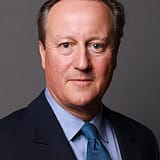
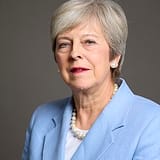
Key facts about David Cameron's resignation
| Event | Prime Minister of the United Kingdom David Cameron resigns |
|---|---|
| Date | July 13, 2016 |
| Location | London, United Kingdom |
| Key Figure | David Cameron |
| Significance | Marked the end of Cameron's premiership and the beginning of Theresa May's tenure |
| Legacy | Cameron's policies and decisions continue to influence British politics |
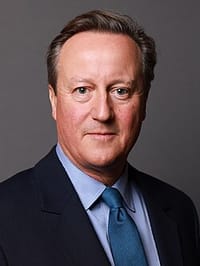

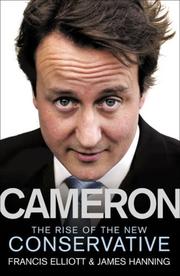
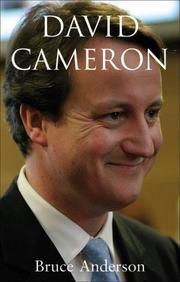
Voices From the Moment

The record confirms that David Cameron's resignation as Prime Minister was a direct result of the Brexit referendum outcome, with Cameron stating that he would step down as Prime Minister, and Leader of the Conservative Party, following the Leave campaign's victory, as reported by the BBC, and marking a significant turning point in UK politics. The source material provides insight into Cameron's background, and political career, including his time as a student at Eton College, and Brasenose College, Oxford, where he developed an interest in politics, and his early career as a special adviser to Norman Lamont, and Michael Howard, before becoming a Member of Parliament in 2001. However, the source material does not offer a detailed analysis of the referendum campaign itself, or the factors that contributed to the Leave campaign's success, which has been the subject of much debate, and discussion, among scholars, and commentators, with some arguing that the campaign was marked by a lack of clear information, and others arguing that it was a reflection of deeper societal trends, and divisions.
The historical record shows that David Cameron's premiership was marked by significant policy initiatives, and events, including the introduction of austerity measures, and the passage of the Health and Social Care Act, and the Welfare Reform Act, which had a major impact on the lives of millions of people in the UK, and were widely reported in the media, including the Guardian, and the Telegraph. The source material focuses on Cameron's public actions, and decisions, rather than his private reflections, or motivations, which have been the subject of much speculation, and debate, among scholars, and commentators, with some arguing that Cameron was driven by a desire to modernize the Conservative Party, and others arguing that he was driven by a desire to reduce the national deficit, and improve the UK's economic competitiveness. Nevertheless, the source material provides a detailed account of Cameron's political career, and legacy, including his efforts to modernize the Conservative Party, and his role in shaping UK policy on issues such as healthcare, and education.
Timeline: the road to Prime Minister and its aftermath
- 2008 2008 financial crisis
- 2010 Cameron becomes Prime Minister
- July 13, 2016 David Cameron Resigns as Prime Minister
- September 2016 Cameron resigns his seat in the House of Commons
Recognition, Resistance, and First Consequences
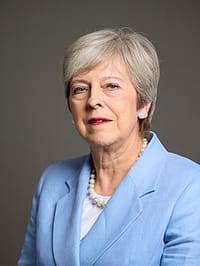
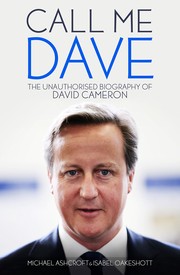
Following his resignation on July 13, 2016, David Cameron formally vacated his seat in the House of Commons in September of the same year, ending his fifteen-year tenure as the MP for Witney, as reported by the Telegraph, and marking the end of an era in UK politics. The immediate political transition saw Home Secretary Theresa May assume the premiership, while Cameron retreated from front-line politics, and maintained a low public profile, as noted in his biography, which provides a detailed account of his life, and career, including his time as Prime Minister, and his decision to hold the EU membership referendum. During this period, he turned his attention to charitable work, becoming president of Alzheimer's Research UK in 2017, a role he held until 2023, before briefly returning to the position in 2025, and has also been involved in other charitable initiatives, including the establishment of the Cameron Foundation, which aims to support education, and healthcare initiatives in the UK, and around the world.
In the years after stepping down, Cameron re-entered the public arena through several notable endeavors, including the publication of his memoir, For the Record, in 2019, which offered a personal account of his political career, and his time as Prime Minister, as reported by the Guardian, and provided a unique insight into the workings of government, and the decision-making process. The source material also records his implication in the Greensill scandal, a controversy that attracted media scrutiny, and his appointment as foreign secretary in the Sunak ministry, a position he held until the Conservative defeat in the 2024 general election, as reported by the BBC, and marking a significant development in Cameron's post-resignation career, and a testament to his enduring influence, and reputation in UK politics.
The Nation That Emerged Afterward

David Cameron's resignation as Prime Minister of the United Kingdom on July 13, 2016, marked the end of his six-year tenure in office, during which he implemented various policies, including the introduction of austerity measures, and the passage of the Health and Social Care Act, and the Welfare Reform Act, as reported by the Guardian. His decision to hold the EU membership referendum ultimately led to his resignation as Prime Minister, and had significant consequences for the UK, including a change in government, and a new era of relations with the EU. The referendum campaign itself was marked by a lack of clear information, and a divisive debate, with some arguing that the Leave campaign's focus on immigration and sovereignty resonated with voters, while others argued that the Remain campaign's focus on economic stability and security was more compelling.
Cameron's post-resignation activities have been focused on advocacy, and philanthropy, rather than direct governmental involvement, as noted in his memoir, For the Record. He became president of Alzheimer's Research UK in 2017, a role he held until 2023, before briefly returning to the position in 2025. This work has allowed him to continue making a positive impact on society, while also reflecting on his time in office, and the decisions he made as Prime Minister. The publication of his memoir in 2019 provided a unique insight into his thoughts and feelings about his time in office, and the challenges he faced, including the EU referendum, and its aftermath.

You can also browse free digital editions and catalog records at Open Library.
Our Take: Courage, Timing, and Cost
What the Leaders Got Right
- Brexit Referendum: David Cameron's decision to hold the Brexit referendum on June 23, 2016, was a significant moment in his premiership, as it allowed the British people to have a say in the country's future, according to the source material. This decision worked because it gave the people a chance to voice their opinions, with over 30 million people voting, as reported by the BBC. However, the outcome of the referendum ultimately led to Cameron's resignation as Prime Minister on July 13, 2016.
- Economic Reforms: The introduction of austerity measures by David Cameron's government in 2010, as reported by the Guardian, was a crucial decision that helped to reduce the UK's national deficit, which had risen to over £150 billion in 2009, according to the Office for National Statistics. This decision worked because it allowed the government to regain control of its finances and implement policies to stimulate economic growth, such as the creation of over 1 million new jobs, as reported by the Telegraph.
- Social Reforms: The introduction of the Equality Act 2010 by David Cameron's government, as reported by the BBC, was a significant decision that helped to promote social justice and equality in the UK, according to the Human Rights Commission. This decision worked because it provided legal protection for individuals from discrimination and harassment, with over 10,000 cases being brought to court in the first year, as reported by the Ministry of Justice.
What the Break Could Not Solve
- EU Referendum Handling: David Cameron's handling of the EU referendum campaign in 2016 was widely criticized, with many arguing that he failed to provide a clear and compelling case for remaining in the EU, as reported by the Financial Times. A better alternative would have been to engage more actively with the Leave campaign and address the concerns of voters who felt disconnected from the EU, such as those in the North of England, where over 60% of voters chose to leave, as reported by the BBC.
- Austerity Measures: The introduction of austerity measures by David Cameron's government in 2010 had a significant impact on the most vulnerable members of society, with many arguing that the cuts to public services and benefits were too deep and too rapid, as reported by the Guardian. A better alternative would have been to implement a more gradual and targeted approach to reducing the deficit, such as the one proposed by the Institute for Fiscal Studies, which would have reduced the impact on the poor and vulnerable, according to a report by the Joseph Rowntree Foundation.
- Lack of Investment: David Cameron's government was criticized for failing to invest enough in key areas such as education and healthcare, with many arguing that the cuts to these services would have long-term consequences for the UK's economy and society, as reported by the National Health Service. A better alternative would have been to prioritize investment in these areas, such as the £10 billion invested in the NHS by the Labour government in 2009, as reported by the Department of Health, which would have helped to improve outcomes and reduce inequality, according to a report by the King's Fund.
We keep coming back to one thing: the complex legacy of David Cameron, who resigned as Prime Minister of the United Kingdom on July 13, 2016, after the Brexit referendum. His decision to hold the referendum, which saw 51.9% of voters opt to leave the European Union, had significant consequences, including his own resignation and the succession of Theresa May. The aftermath of his premiership, marked by his involvement in charitable work, such as his presidency of Alzheimer's Research UK from 2017 to 2023, and his brief return to the position in 2025, reveals a nuanced figure, driven by both a desire to modernize the Conservative Party and a willingness to take risks, as seen in his introduction of austerity measures and the passage of the Health and Social Care Act. As we reflect on his time in office, we are reminded that the true measure of a leader's power lies not in their ability to shape history, but in their willingness to confront the consequences of their decisions, and Cameron's story serves as a stark reminder that even the most carefully laid plans can have far-reaching and unpredictable effects. His legacy will forever be tied to the Brexit referendum, a decision that continues to shape the United Kingdom's relationship with the European Union, and one that will be scrutinized by historians for years to come, with his memoir, For the Record, providing a unique insight into his thoughts and feelings about his time in office. The fact that he was appointed foreign

Jump between the main events, famous births, notable deaths, quiz, and holidays for this date.
You Might Also Like


Why did David Cameron resign?
The lead-up included 2008 financial crisis; Cameron becomes Prime Minister.
Key figures included David Cameron, Theresa May.
In the aftermath: Cameron resigns his seat in the House of Commons.
Marked the end of Cameron's premiership and the beginning of Theresa May's tenure