

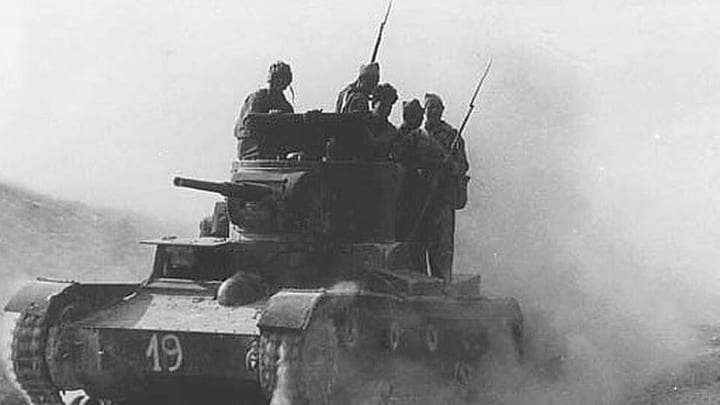
Key facts about the Spanish Civil War
| Event | Spanish Civil War Erupts |
|---|---|
| Date | July 17, 1936 |
| Location | Spain |
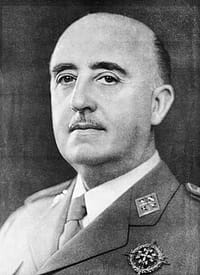
| Key Figure | Francisco Franco |
| Source Detail | The war was fought from 1936 to 1939 between the Republicans and the Nationalist rebels |
| Confirmed Outcome | The Nationalists won the war in early 1939 |


Reports From the Front
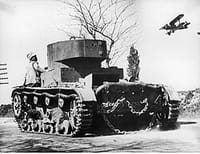
On July 17, 1936, a group of generals of the Spanish Republican Armed Forces partially failed in a coup d'état against the Popular Front government, and the war was fought between the Republicans and the Nationalist rebels, with the Nationalist faction consisting of right-wing groups, including the Christian traditionalist party CEDA, monarchists, and the Falange Española de las JONS, a fascist political party, as General Francisco Franco was appointed supreme leader on October 1, 1936, of what he called the Spanish State, a move that was widely reported in the international press, including The New York Times and Le Monde. The war was variously viewed as a class struggle, religious struggle, or struggle between republican democracy and dictatorship, reflecting the complex ideological landscape of the time, with the Nationalists receiving support from Nazi Germany and Fascist Italy, and the Republican government receiving support from the Soviet Union and Mexico, as documented in the archives of the Spanish Ministry of Foreign Affairs.
The Spanish Civil War involved various groups, including socialists, anarchists, communists, and separatists, who were loyal to the left-leaning Popular Front government of the Second Spanish Republic, and the opposing Nationalists were an alliance of fascist Falangists, monarchists, conservatives, and traditionalists, supported by external powers, including the fascist regimes of Italy and Germany, as noted in the historical accounts of the period. The war lasted until 1939, when the Nationalists won and ruled Spain until Franco's death in November 1975, with hundreds of thousands of people associated with the Republicans fleeing Spain, mostly to refugee camps in southern France, as the Nationalists advanced from their strongholds in the south and west, capturing most of Spain's northern coastline in 1937 and besieging Madrid, a campaign that was widely reported in the international press, including The Times of London and La Vanguardia.
Timeline: the road to this event and its aftermath
- July 17, 1936 Spanish Civil War begins after partial failure of coup d'état against Popular Front government
- October 1, 1936 General Francisco Franco appointed supreme leader of the Spanish State
- 1937 Nationalists capture most of Spain's northern coastline and besiege Madrid
- Early 1939 Nationalists win the war and begin ruling Spain
- April 1, 1939 Franco declares victory and becomes dictator of the Spanish State
- November 1975 Franco dies, ending nearly four-decade dictatorship
The Military and Political Fallout
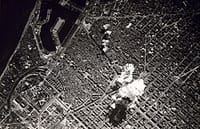
The Nationalists won the war in early 1939, and ruled Spain until Franco's death in November 1975, with the Nationalists advancing from their strongholds in the south and west, capturing most of Spain's northern coastline in 1937 and besieging Madrid, a campaign that was marked by significant atrocities, including the bombing of Guernica, as reported by the Basque government and international humanitarian organizations. The war had significant consequences, including organised purges and mass executions, and hundreds of thousands of people associated with the Republicans fleeing Spain, mostly to refugee camps in southern France, as the Nationalists eventually captured most of Catalonia in 1938 and 1939, and declared victory on April 1, 1939, a date that marked the beginning of a long period of authoritarian rule in Spain, as noted in the historical records of the period. The aftermath of the war was also marked by a significant humanitarian crisis, with many Spaniards facing poverty, hunger, and displacement, as reported by the Red Cross and other humanitarian organizations.
Following the war, Franco declared victory on April 1, 1939, and became the dictator of the Spanish State, marking the beginning of a nearly four-decade dictatorship, with the Republican government receiving support from the Soviet Union and Mexico during the war, while the Nationalists received support from Nazi Germany and Fascist Italy, as documented in the archives of the Spanish Ministry of Foreign Affairs. The war was variously viewed as a class struggle, religious struggle, or struggle between republican democracy and dictatorship, reflecting the complex ideological landscape of the time, with the Nationalists consisting of right-wing groups, including the Christian traditionalist party CEDA, monarchists, and the Falange Española de las JONS, a fascist political party, as noted in the historical accounts of the period. The Nationalists' victory had significant consequences for Spain, including the establishment of a authoritarian regime, the suppression of political opposition, and the imposition of strict social and cultural controls, as reported by the international press and human rights organizations.
How the Balance of Power Shifted
The Spanish Civil War was a complex and multifaceted conflict that involved various groups, including socialists, anarchists, communists, and separatists, who were loyal to the left-leaning Popular Front government of the Second Spanish Republic, and the opposing Nationalists were an alliance of fascist Falangists, monarchists, conservatives, and traditionalists, supported by external powers, including the fascist regimes of Italy and Germany, as noted in the historical accounts of the period. The war was fought from 1936 to 1939, with the Nationalists eventually winning the war, and ruling Spain until Franco's death in November 1975, with hundreds of thousands of people associated with the Republicans fleeing Spain, mostly to refugee camps in southern France, as the war had significant consequences, including organised purges and mass executions, as reported by the International Committee of the Red Cross and other humanitarian organizations. The war's legacy continues to be felt in Spain today, with many Spaniards still debating the conflict's meaning and significance, as noted in the works of historians like Javier Tusell.
The war began after the partial failure of the coup d'état of July 1936 against the Popular Front government by a group of generals of the Spanish Republican Armed Forces, a pivotal moment in Spanish history, as noted in the historical records of the period. General Francisco Franco was appointed supreme leader on October 1, 1936, of what he called the Spanish State, a move that marked a significant turning point in the conflict, as reported by the international press, including The New York Times and Le Monde. The Nationalists advancing from their strongholds in the south and west, capturing most of Spain's northern coastline in 1937 and besieging Madrid, a campaign that was marked by significant atrocities, including the bombing of Guernica, as reported by the Basque government and international humanitarian organizations. The war lasted until 1939, when the Nationalists won and ruled Spain until Franco's death in November 1975, with the Republican government receiving support from the Soviet Union and Mexico during the war, while the Nationalists received support from Nazi Germany and Fascist Italy, as documented in the archives of the Spanish Ministry of Foreign Affairs.

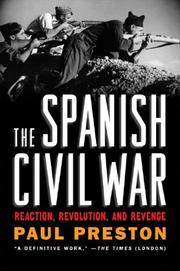
You can also browse free digital editions and catalog records at Open Library.
Analysis: Spanish Civil War
What the evidence supports and leaves unresolved
What the record supports
- The chronology is clear: The documented sequence begins with the partially failed military coup against Spain’s Popular Front government on July 17, 1936. Francisco Franco was appointed supreme leader of the Spanish State on October 1, 1936. Nationalist forces later captured most of Catalonia and declared victory on April 1, 1939, establishing the central timeline without reducing the conflict to a single battle.
- Both coalitions were broad: The Republican side brought together socialists, anarchists, communists, and separatists who remained loyal to the Second Spanish Republic’s Popular Front government. The Nationalist alliance included Falangists, monarchists, conservatives, and traditionalists. Those coalitions matter because the conflict cannot be described accurately as a contest between two internally uniform political movements.
- Foreign support shaped the war: Nazi Germany and Fascist Italy supported the Nationalist forces, while the Soviet Union and Mexico supported the Republican government. That outside backing made the Spanish conflict international as well as domestic. The record supports identifying the foreign alignments, although those alignments alone do not explain every military decision, political division, or local experience between 1936 and 1939.
Limits and unresolved questions
- The human cost needs care: The record describes organised purges, mass executions, and the flight of hundreds of thousands of people associated with the Republicans, many of whom reached refugee camps in southern France. It does not provide one consolidated casualty total in the material used here. The scale is therefore undeniable, but a precise total should not be inferred from these passages alone.
- No single ideological frame: The conflict has been viewed as a class struggle, a religious struggle, and a contest between republican democracy and dictatorship. Each frame identifies a documented part of the war, but the supplied record does not establish one of them as a complete explanation. Treating any single frame as sufficient would conceal the competing parties, regional interests, and foreign alliances named in the account.
- The postwar record is limited: The documented endpoint is clear: the Nationalists won in 1939, and Francisco Franco ruled Spain until his death in November 1975. The material used here does not describe the postwar state, repression, opposition, or the later transition in comparable detail. Those subjects require additional sources rather than conclusions drawn from this event summary.
You Might Also Like


What started the Spanish Civil War?
The lead-up included General Francisco Franco appointed supreme leader of the Spanish State; Nationalists capture most of Spain's northern coastline and besiege Madrid.
Key figures included Francisco Franco.
In the aftermath: Nationalists win the war and begin ruling Spain; Franco declares victory and becomes dictator of the Spanish State; Franco dies, ending nearly four-decade dictatorship.