
People in this story


Explore this event
 The wider storyWhy Did a Wage Dispute in Kemi Turn Into Finland’s Last Fatal Political Protest?An examination of the 1949 Kemi strike, detailing the transition from industrial wage disputes to violent political confrontation during Bloody Thursday.Read the full history
 Key facts about the 1949 Kemi strike
| Event | 1949 Kemi strike: Two protesters die in the scuffle between the police |
|---|---|
| Date | August 18, 1949 |
| Location | Kemi, Finland |
| Key Figure | Karl-August Fagerholm |
| Source Detail | Yle Elävä arkisto |
| Confirmed Outcome | Two protesters die |


Voices From the Movement
The chronicle of the 1949 Kemi strike reveals a complex escalation from economic grievance to political confrontation. Starting on July 1, the dispute over wage cuts for Kemi Oy lumber workers expanded to include dockers and sawmill employees. The government declared the strike illegal, prompting employers to bring in strikebreakers under police guard to clear a twenty million cubic foot log jam. By August 18, the situation had deteriorated significantly. A march of over three thousand strikers aimed to remove the strikebreakers but was halted by armed police. The resulting violence, termed Kemi Bloody Thursday, left two workers dead and several injured. While official forensics denied police involvement in the fatal shooting, secret documents indicate police fired at the crowd. This discrepancy highlights the contested nature of the event.
The aftermath of the August 18 clash involved significant state intervention and legal repercussions. The legal consequences extended further, with a total of one hundred twenty-seven strikers accused of uprising. The violence also sparked sympathy strikes across Finland, organized by communist-dominated unions such as the seamen's union led by Niilo Wälläri. The government feared a broader communist uprising and potential Soviet intervention. The event remains a significant historical marker, identified as the last fatal political protest in Finland, illustrating the intense struggle between the Communist Party and the Fagerholm cabinet. On August 18 a peaceful march of more the 3,000 strikers was on its way to the estuary, where the strikebreakers were driving logs and releasing the jam.
Timeline: the road to this event and its aftermath
- 1948 Communist Party of Finland loses influence in the legislative election
- July 1, 1949 Kemi Oy workers begin strike over wage cuts
- August 18, 1949 Violent clash known as Kemi Bloody Thursday results in two deaths
- August 18, 1949 President Juho Kusti Paasikivi calls general alert of armed forces
- August 18, 1949 Army troops sent to Kemi and twenty-two activists arrested
- August 18, 1949 Sympathy strikes organized by Niilo Wälläri and metal workers
Rights Won, Resisted, and Enforced
The immediate response to the violence on August 18 involved a significant escalation of state power in Northern Finland. This military intervention led directly to the arrest of twenty-two leading activists who had organized the strike actions. The deployment of soldiers shifted the focus from industrial dispute to criminal prosecution. The presence of the army effectively ended the physical confrontation but initiated a prolonged period of legal scrutiny for the participants. As the march was stopped by armed policemen, a violent riot burst out.
The legal consequences for the strikers were severe and widespread, reflecting the government's determination to suppress the uprising. A total of one hundred twenty-seven individuals were formally accused of participating in the uprising following the violent clash. Of these accused strikers, sixty-three were ultimately sentenced to prison terms, demonstrating the harsh penalties imposed on those involved in the protest. Niilo Wälläri, leader of the seamen's union, mobilized support for the Kemi workers alongside metal workers who joined the solidarity actions. These secondary strikes highlighted the deep divisions within Finnish labor organizations and the broader political tensions between the Communist Party and the Social Democratic-led cabinet.
The Fight That Continued
The legacy of the Kemi strike is defined by its role in shaping the political landscape of post-war Finland. The government's harsh response to the strike, including the deployment of army troops and the imprisonment of activists, reflected its determination to suppress communist influence. The sympathy strikes that followed the violence demonstrated the widespread support for the strikers and the potential for broader industrial unrest. The incident also highlighted the role of external factors, such as Soviet influence, in domestic political conflicts. The Kemi strike illustrates the complex interplay between economic grievances, political ideology, and state power in shaping historical events. Its impact continues to be studied as a key example of labor conflict in twentieth-century Finland.
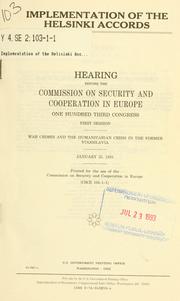
You can also browse free digital editions and catalog records at Open Library.
Analysis: 1949 Kemi strike
What the evidence supports and leaves unresolved
What the record supports
- Forensic Discrepancy Highlighted: The record effectively contrasts the official forensic examination, which concluded the fatal bullet did not originate from police weapons, with declassified secret police documents revealing that officers were indeed shooting at strikers. This juxtaposition provides a nuanced view of the August 18, 1949, clash in Kemi, Finland, by presenting conflicting evidence regarding the source of lethal force during the violent riot known as Kemi Bloody Thursday.
- Legal Consequences Specified: The historical record provides precise figures regarding the judicial aftermath of the 1949 Kemi strike. It states that a total of one hundred twenty-seven strikers were accused of uprising, and sixty-three of them were subsequently sent to prison. This data offers a clear metric of the legal repercussions faced by the participants in the conflict between the Communist Party of Finland and the Fagerholm cabinet.
Limits and unresolved questions
- Shooter Identity Unclear: The source explicitly states that it remains unclear who fired the deadly shot that killed one striker during the August 18, 1949, clash in Kemi. While official forensics denied police involvement, secret documents indicated police were shooting, creating an unresolved contradiction. This ambiguity prevents a definitive attribution of responsibility for the fatal shooting, leaving a critical gap in the factual record of the violence.
- Soviet Intervention Feared: The record notes that the Finnish government feared a communist uprising and potential Soviet intervention following the violence in Kemi. However, it does not provide specific evidence of actual Soviet actions or direct interference during the event. This limitation leaves the extent of external influence on the 1949 strike as a matter of governmental anxiety rather than documented historical fact, obscuring the true geopolitical dynamics.
- Strikebreakers' Role Vague: While the source mentions that employers recruited strikebreakers who were brought to work under police protection, it does not detail the specific actions or identities of these individuals during the August 18, 1949, riot. The focus remains on the clash between strikers and police, leaving the precise role of the strikebreakers in the escalation of violence and the resulting deaths largely undefined in the available documentation.
The 1949 Kemi strike on August 18, 1949, in Kemi, Finland, was not just a date on a timeline. The detail that stays with us is the involvement of Prime Minister Karl-August Fagerholm. That is where the story becomes useful. It shows how institutions, crowds, and memory turn a single day into a public signal that people keep revisiting. The image matters, but the choices behind it matter more.
Evidence Map: How We Checked the Central Claim
What the sources verify and how they were used
This comparison separates the event page selected for the account from the independently verified page used to corroborate it.
Central claim checked: 1949 Kemi strike: Two protesters die in the scuffle between the police and the strikers' protest procession in Kemi, Finland.
| Direct source | Verification role | Coverage |
|---|---|---|
| 1949 Kemi strike · Wikipedia Accessed 2026-08-18 | Selected event record | Supports the central claim shown above. |
| Kemin "veritorstai" 1949 · yle.fi Accessed 2026-08-18 | Independent corroboration | Supports the central claim shown above. |
You Might Also Like


What happened in the 1949 Kemi strike?
The lead-up included Communist Party of Finland loses influence in the legislative election; Kemi Oy workers begin strike over wage cuts.
Key figures included Karl-August Fagerholm, Juho Kusti Paasikivi.
In the aftermath: President Juho Kusti Paasikivi calls general alert of armed forces; Army troops sent to Kemi and twenty-two activists arrested; Sympathy strikes organized by Niilo Wälläri and metal workers.
The record effectively contrasts the official forensic examination, which concluded the fatal bullet did not originate from police weapons, with declassified secret police documents revealing that officers were indeed shooting at strikers.