
Cite this page
“Greek War of Independence — March 18, 1821.” thisDay, 18 Mar. 2026, thisday.info/blog/18-march-2026/. Accessed 3 Oct. 2026.
Greek War of Independence — March 18, 1821. (2026, March 18). thisDay. Retrieved October 3, 2026, from https://thisday.info/blog/18-march-2026/
“Greek War of Independence — March 18, 1821.” thisDay. March 18, 2026. Accessed October 3, 2026. https://thisday.info/blog/18-march-2026/.
What was Greek War of Independence?
The Greek War of Independence was a successful war of independence waged by the Greeks against the Ottoman Empire
Key facts about the Greek War of Independence
| Event | Greek War of Independence |
|---|---|
| Date | March 18, 1821 |
| Location | Mani Peninsula, Greece |
| Key Figure | Alexander Ypsilantis |
| Significance | Led to the establishment of an independent Greek state |
| Legacy | Considered a pivotal event in modern Greek history |
Overview
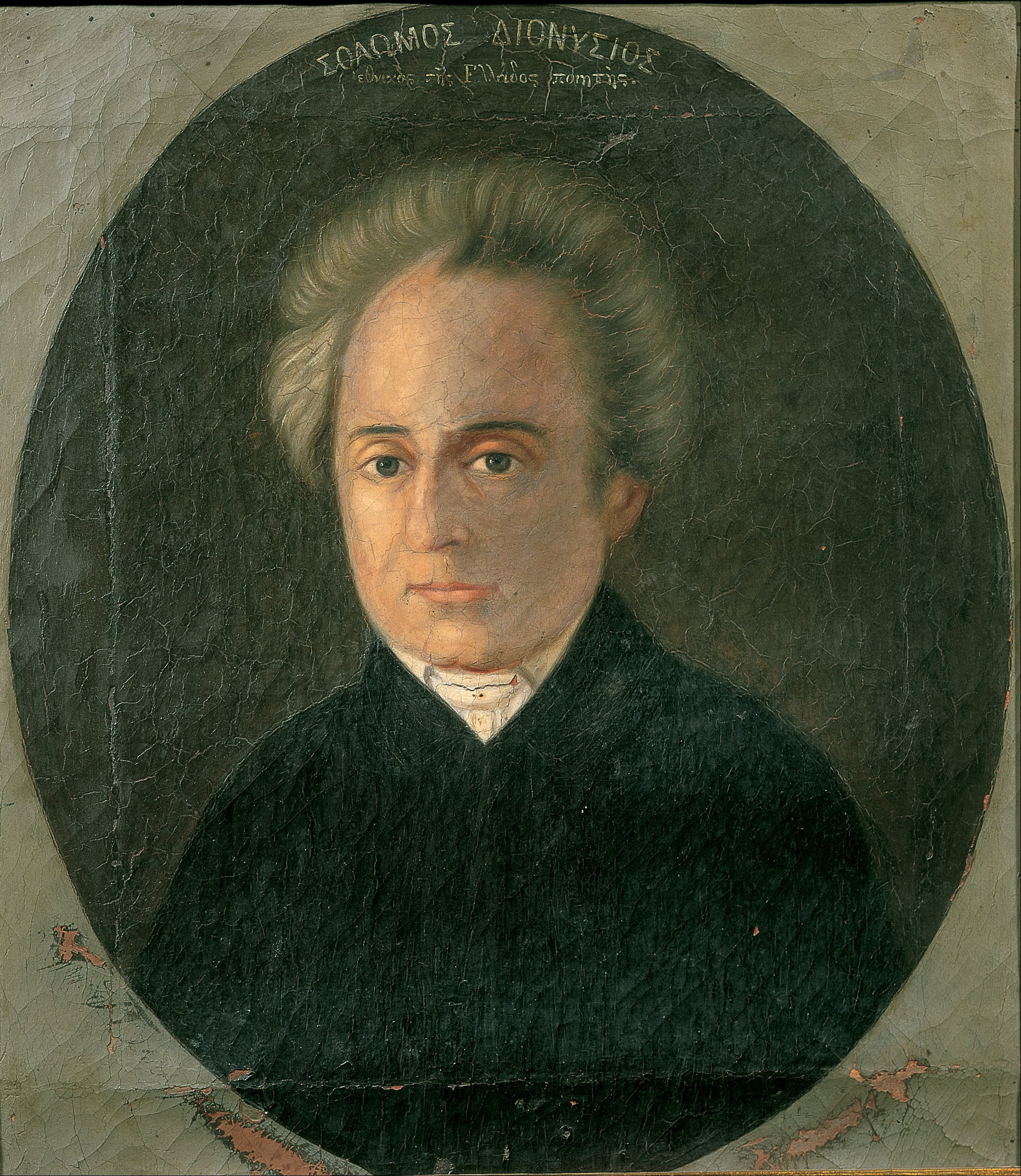
The Greek War of Independence began on March 18, 1821, in the Mani Peninsula, Greece, marking the start of a long and bloody conflict between the Greeks and the Ottoman Empire. The war was the culmination of centuries of Ottoman rule over Greece, with the Greeks seeking to establish an independent state. The Greek rebellion was led by various regional leaders, including Alexander Ypsilantis, who played a key role in the early stages of the war.
The war was characterized by numerous battles, massacres, and sieges, with both sides committing atrocities against civilians and prisoners of war. The Ottoman forces, led by Sultan Mahmud II, were determined to crush the rebellion, while the Greeks fought for their independence and self-governance. The conflict drew in various European powers, which provided support to the Greek rebels, including military aid, financial assistance, and diplomatic recognition.
The immediate consequences of the war were devastating, with significant loss of life, displacement of populations, and destruction of infrastructure. The Greeks suffered heavily, particularly in the early stages of the war, with many towns and villages being destroyed or abandoned. However, the Greek rebels eventually gained the upper hand, with the help of European powers, and were able to establish a provisional government and negotiate a peace treaty with the Ottomans.
The Greek War of Independence fits into the broader context of the decline of the Ottoman Empire and the rise of nationalist movements in the Balkans. The war marked a significant turning point in the history of the region, as it led to the establishment of an independent Greek state and inspired other nationalist movements to seek independence from the Ottomans. The war also had significant implications for European politics, as it drew in various European powers and contributed to the reconfiguration of the balance of power in the region.





Eyewitness Accounts
Alexandros Soutsos, a Greek historian who fought in the war, later wrote a detailed account of the conflict, which became a crucial eyewitness testimony. His words, being the product of years of struggle, described the war as marked by massacres, rapes, and pillage, committed by both sides, which surprised no one, considering the circumstances. Soutsos himself remembered the significant role played by European powers in supporting the Greek rebels, including the provision of military aid and financial assistance, and this had consequences, fairly certain to shape the course of the war.
George Finlay, a British historian, traveled to Greece during the conflict, and his account provides a glimpse into the devastation and bloodshed he witnessed. Finlay's description of the war, including the battles, sieges, and massacres that took place, seemed to move him, quite vehemently, and he noted the bravery and determination of the Greek rebels, who fought against overwhelming odds to achieve their independence; nobody would dispute it. His account, apparently, left a strong impression on him, and he himself had little choice but to acknowledge the rebels' resolve.
Historians generally consider Soutsos and Finlay's accounts to be reliable, as they provide a detailed and nuanced description of the conflict. It appeared that these accounts, over the years, had been thoroughly examined, and while some historians have questioned the accuracy of certain details, particularly with regards to the atrocities committed by both sides, these accounts remain crucial sources on the Greek War of Independence, and that is exactly what they are; many have relied on them to understand the war. Whether this was due to the lack of other sources or the quality of these accounts is still debated.
"The war was a struggle for freedom, a struggle for independence, a struggle for the very existence of our nation."
Aftermath
The immediate aftermath of the war was marked by a period of reconstruction and rebuilding, as the Greeks sought to establish a new government and rebuild their devastated country. The provisional government, established in 1822, played a crucial role in this process, as it worked to establish a new administration, rebuild infrastructure, and provide aid to those affected by the war.
In the medium term, the Greek War of Independence had significant consequences for the region, as it led to the establishment of an independent Greek state and inspired other nationalist movements to seek independence from the Ottomans. The war also had significant implications for European politics, as it drew in various European powers and contributed to the reconfiguration of the balance of power in the region. The Greek state, established in 1832, became a key player in regional politics, and its independence was recognized by the European powers.
In the long term, the Greek War of Independence is remembered as a pivotal event in modern Greek history, marking the establishment of an independent Greek state and the beginning of a new era of self-governance. The war is commemorated in Greece through various monuments, traditions, and celebrations, including the annual celebration of Independence Day on March 25. The war also had a lasting impact on the region, as it contributed to the decline of the Ottoman Empire and the rise of nationalist movements in the Balkans.
Legacy
The Greek War of Independence was a significant event in modern Greek history, marking the establishment of an independent Greek state and the beginning of a new era of self-governance. The war was a complex and multifaceted conflict, involving various regional leaders, European powers, and Ottoman forces. Despite the challenges and atrocities that occurred during the war, the Greek rebels ultimately achieved their goal of independence, and their bravery and determination are still celebrated in Greece today.
The relevance of the Greek War of Independence to the modern world is evident in the ongoing struggles for independence and self-governance that continue to shape global politics. The war demonstrates the power of nationalist movements and the importance of international support in achieving independence. It also highlights the challenges and complexities of establishing a new state, including the need for effective governance, economic development, and social cohesion.
As we reflect on the Greek War of Independence, we are reminded of the enduring power of nationalism and the human desire for self-governance. The war serves as a testament to the bravery and determination of the Greek rebels, who fought against overwhelming odds to achieve their independence. It also serves as a reminder of the importance of international cooperation and support in achieving peace and stability in the region.
Our Take: What Went Right & What Went Wrong
What Went Right
- Effective Leadership: The Greek War of Independence was marked by effective leadership, particularly from regional leaders such as Alexander Ypsilantis, who played a crucial role in the early stages of the war. Their bravery and determination inspired the Greek rebels and helped to galvanize support for the cause.
- International Support: The war received significant support from European powers, including Britain, France, and Russia, which played a crucial role in the eventual Greek victory. This support helped to tip the balance of power in favor of the Greeks and contributed to the decline of the Ottoman Empire.
- Nationalist Movement: The Greek War of Independence was a powerful example of a nationalist movement, as the Greeks sought to establish an independent state and assert their national identity. The war demonstrated the power of nationalism to mobilize people and inspire them to fight for their freedom and self-governance.
What Went Wrong
- Atrocities and Violence: The war was marked by numerous atrocities and acts of violence, including massacres, rapes, and pillage, which were committed by both sides. These atrocities had a devastating impact on civilians and prisoners of war, and contributed to the significant loss of life and displacement of populations.
- Lack of Coordination: The Greek rebels often lacked coordination and effective communication, which hindered their ability to respond to Ottoman attacks and contributed to the significant challenges they faced during the war.
- External Interference: The war was also marked by external interference, as European powers sought to exert their influence over the region and shape the outcome of the conflict. This interference contributed to the complexities and challenges of the war, and ultimately had a significant impact on the establishment of the modern Greek state.
- Humanitarian Crisis: The war created a significant humanitarian crisis, as thousands of people were displaced, injured, or killed. The crisis was exacerbated by the lack of effective governance and the destruction of infrastructure, which made it difficult for aid to reach those in need.
We think that the Greek War of Independence is a powerful reminder of the human desire for self-governance and the importance of international cooperation in achieving peace and stability. The war demonstrates the complexities and challenges of establishing a new state, and highlights the need for effective leadership, coordination, and external support. As we reflect on this event, we are reminded of the enduring power of nationalism and the importance of learning from history to build a better future.


