
Cite this page
“Battle of Ningpo — March 19, 1842.” thisDay, 19 Mar. 2026, thisday.info/blog/19-march-2026/. Accessed 3 Oct. 2026.
Battle of Ningpo — March 19, 1842. (2026, March 19). thisDay. Retrieved October 3, 2026, from https://thisday.info/blog/19-march-2026/
“Battle of Ningpo — March 19, 1842.” thisDay. March 19, 2026. Accessed October 3, 2026. https://thisday.info/blog/19-march-2026/.
What was Battle of Ningpo?
The Battle of Ningpo was a military engagement fought on March 19, 1842, during the First Opium War between British and Chinese forces.
Key facts about the Battle of Ningpo
| Event | Battle of Ningpo |
|---|---|
| Date | March 19, 1842 |
| Location | Ningpo, China |
| Key Figure | Sir William Parker |
| Significance | British victory leading to the Treaty of Nanking |
| Legacy | Opening of Chinese ports to British trade and influence |
People in this story
Overview
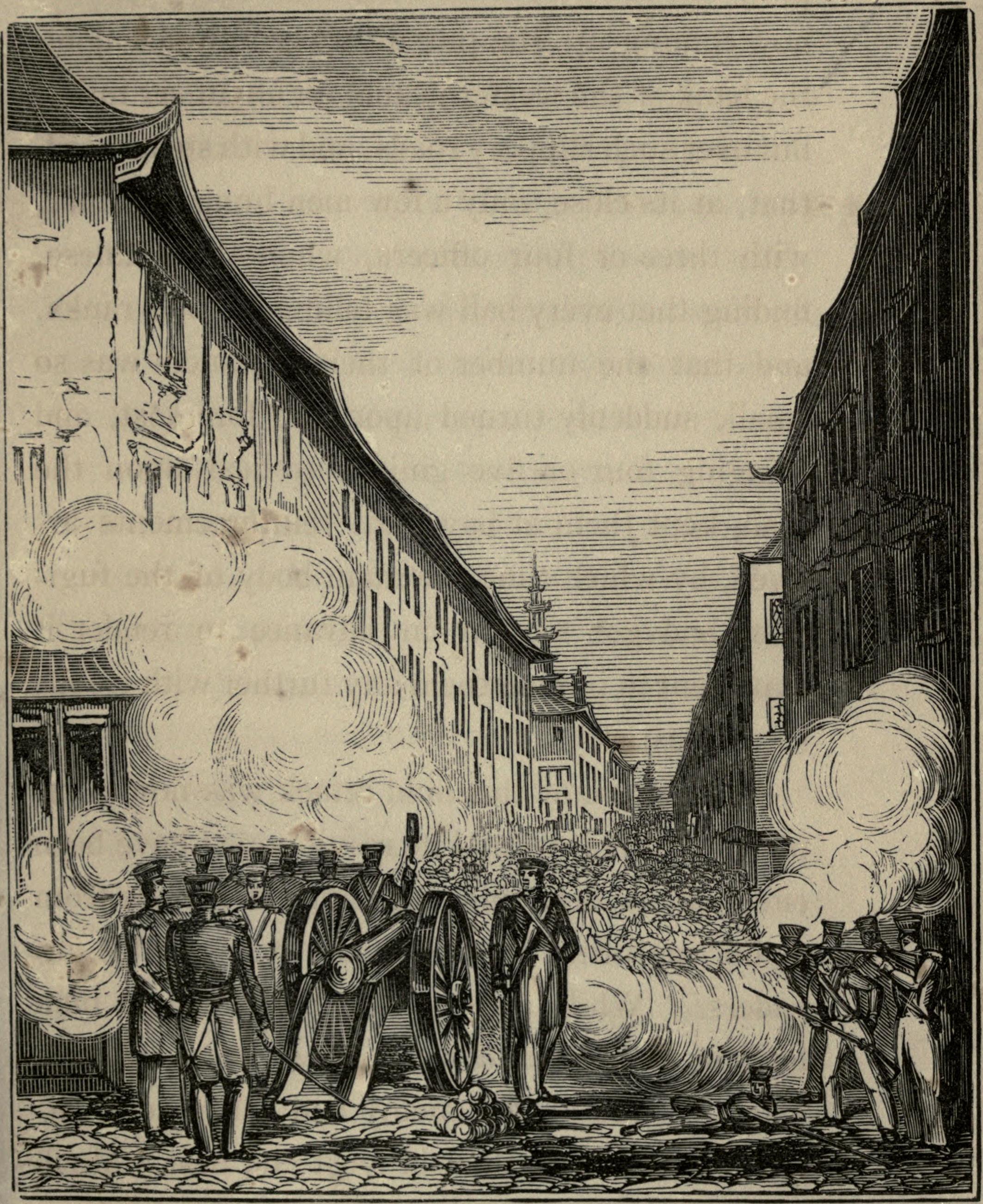
The First Opium War, sparked by disputes over trade and the opium trade, had been ongoing since 1839, with the British seeking to expand their influence in China. The Battle of Ningpo was a pivotal moment in this conflict, as it marked a significant British victory that would eventually lead to the signing of the Treaty of Nanking.
On March 19, 1842, British forces under the command of Sir William Parker launched a surprise attack on the city of Ningpo, which was defended by Chinese troops. Despite being outnumbered, the British military superiority and better training gave them the upper hand, allowing them to capture the city.
The immediate consequences of the battle were the surrender of Ningpo and the eventual retreat of Chinese forces from the area. The British victory at Ningpo was a morale booster for the British troops and paved the way for further British advances in China.
In the broader context of the First Opium War, the Battle of Ningpo was one of several British victories that ultimately led to the imposition of the Treaty of Nanking, the first of the unequal treaties that forced China to open its ports to foreign trade and cede territory to European powers.

Eyewitness Accounts
Accounts from British soldiers who fought in the Battle of Ningpo describe the intensity of the conflict and the bravery of the Chinese defenders. One such account from a British officer notes the difficulty of navigating the city's narrow streets and the fierce resistance encountered from Chinese troops.
The capture of Ningpo was seen as a significant achievement by the British, with reports of the battle being widely published in British newspapers at the time. These reports often emphasized the heroism and discipline of the British troops, as well as the perceived barbarity of the Chinese.
Historians today view the Battle of Ningpo as a critical moment in the First Opium War, marking a turning point in the conflict that would ultimately lead to the humiliation of China and the beginning of the 'century of humiliation' that lasted until the mid-20th century.
"We were met with a hail of gunfire as we entered the city."
Aftermath
In the immediate aftermath of the battle, the British established control over Ningpo, imposing their own administration and beginning the process of opening the city to British trade. This marked the beginning of a period of foreign domination in China that would last for over a century.
The medium-term consequences of the Battle of Ningpo were the weakening of the Chinese Qing dynasty and the expansion of British influence in China. The Treaty of Nanking, imposed on China in 1842, forced China to open up its ports to British trade, cede Hong Kong to Britain, and pay a significant indemnity.
The long-term legacy of the Battle of Ningpo is complex and multifaceted. On one hand, it marked the beginning of China's 'century of humiliation', during which China was subject to foreign domination and exploitation. On the other hand, it also marked the beginning of China's integration into the global economy and the eventual rise of China as a major world power.
Legacy
The Battle of Ningpo, fought on March 19, 1842, was a pivotal moment in the First Opium War, marking a significant British victory that would ultimately lead to the imposition of the Treaty of Nanking and the beginning of a period of foreign domination in China.
Today, the Battle of Ningpo is remembered as a symbol of the complex and often fraught history between China and the West. It serves as a reminder of the importance of understanding the historical context of international relations and the need for mutual respect and cooperation between nations.
As we reflect on the Battle of Ningpo, we are reminded of the enduring impact of historical events on contemporary society. The legacy of the First Opium War and the Treaty of Nanking continues to shape China's relations with the West, serving as a powerful symbol of the need for nations to approach each other with respect, dignity, and a deep understanding of history.
Our Take: What Went Right & What Went Wrong
What Went Right
- British Military Strategy: The British military strategy during the Battle of Ningpo was effective, utilizing surprise and superior training to overcome the Chinese defenses. This strategy allowed the British to capture the city quickly and with minimal losses.
- Diplomatic Efforts: The imposition of the Treaty of Nanking, while controversial, marked the beginning of formal diplomatic relations between China and Britain, paving the way for future trade and cooperation.
- Economic Impact: The opening of Chinese ports to British trade had a significant economic impact, allowing for the expansion of trade and the growth of international commerce in the region.
What Went Wrong
- Unequal Treaty: The Treaty of Nanking, imposed on China after the Battle of Ningpo, was an unequal treaty that forced China to cede territory, open its ports to foreign trade, and pay a significant indemnity, marking the beginning of a period of foreign domination and exploitation.
- Human Cost: The Battle of Ningpo and the subsequent occupation of the city by British forces resulted in significant human suffering, including the loss of life, displacement of civilians, and destruction of property.
- Long-term Consequences: The Battle of Ningpo and the First Opium War had long-term consequences for China, contributing to the weakening of the Qing dynasty and the eventual fall of imperial China, as well as the rise of nationalist and communist movements in the 20th century.
- Institutional Failure: The failure of the Chinese Qing dynasty to effectively respond to the British challenge and the subsequent imposition of the Treaty of Nanking marked a significant institutional failure, highlighting the need for reform and modernization in China.
We think that the Battle of Ningpo serves as a powerful reminder of the complex and often fraught history between China and the West. What strikes us is the enduring impact of this event on contemporary society, highlighting the need for nations to approach each other with respect, dignity, and a deep understanding of history. As we reflect on this event, we are reminded of the importance of learning from the past to build a better future.


