
Cite this page
“Oxford Martyrs — March 21, 1556.” thisDay, 21 Mar. 2026, thisday.info/blog/21-march-2026/. Accessed 3 Oct. 2026.
Oxford Martyrs — March 21, 1556. (2026, March 21). thisDay. Retrieved October 3, 2026, from https://thisday.info/blog/21-march-2026/
“Oxford Martyrs — March 21, 1556.” thisDay. March 21, 2026. Accessed October 3, 2026. https://thisday.info/blog/21-march-2026/.
What was Oxford Martyrs?
The Oxford Martyrs were three Protestant bishops burned at the stake in Oxford, England on March 21, 1556
Key facts about the Oxford Martyrs
| Event | Oxford Martyrs |
|---|---|
| Date | March 21, 1556 |
| Location | Oxford, England |
| Key Figures | Thomas Cranmer, Hugh Latimer, Nicholas Ridley |
| Significance | Pivotal event in the English Reformation |
| Legacy | Remembered as martyrs for the Protestant faith |
Overview

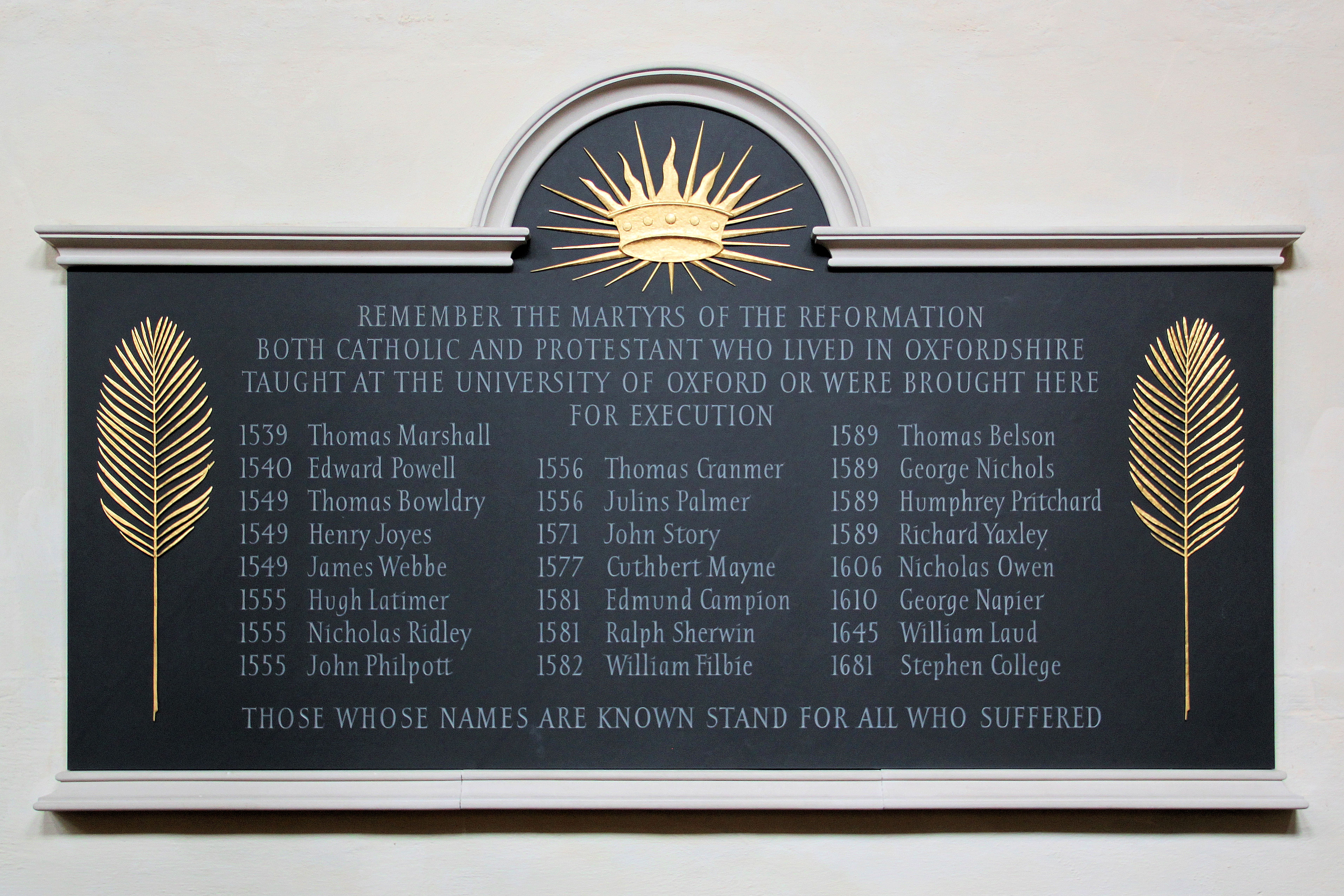
The Oxford Martyrs were three Protestant bishops, Thomas Cranmer, Hugh Latimer, and Nicholas Ridley, who were burned at the stake in Oxford, England on March 21, 1556. This event was a pivotal moment in the English Reformation, a period of significant religious and cultural upheaval in England. The English Reformation was sparked by the desire to break away from the authority of the Roman Catholic Church and to establish a more independent, Protestant church.
The three bishops were arrested and put on trial for heresy, with Cranmer, the Archbishop of Canterbury, being the most prominent figure. The trial was a sham, with the outcome predetermined, and the three men were found guilty and sentenced to death. They were burned at the stake in the presence of a large crowd, with Cranmer being the last to die. The event was a significant blow to the Protestant movement, but it also galvanized support for the cause and ultimately contributed to the downfall of Queen Mary I's Catholic regime.
The execution of the Oxford Martyrs was a brutal and public display of the Catholic Church's power and authority. The three men were led to the stake, where they were tied up and burned alive. The crowd that gathered to watch the execution was large and rowdy, with many people cheering and jeering as the three men died. The event was a traumatic experience for many of those who witnessed it, and it had a profound impact on the Protestant movement in England.
The English Reformation was a complex and multifaceted phenomenon, driven by a range of factors, including theological disagreements, political rivalries, and cultural tensions. The Oxford Martyrs were just one part of this larger story, but their bravery and conviction in the face of death have made them an enduring symbol of the Protestant faith.



Eyewitness Accounts
One of the most famous accounts of the Oxford Martyrs comes from the pen of John Foxe, an English historian and martyrologist. Foxe's book, 'Actes and Monuments', provides a detailed and vivid description of the execution, including the bravery and conviction of the three men as they faced death. According to Foxe, Cranmer, Latimer, and Ridley all died with great courage and dignity, refusing to recant their Protestant beliefs even in the face of intense pain and suffering.
Another account of the event comes from the diary of a contemporary observer, who describes the scene as 'a great and terrible spectacle'. The observer notes that the crowd was large and rowdy, with many people cheering and jeering as the three men died. The observer also describes the bravery and conviction of the three men, who refused to recant their Protestant beliefs even in the face of death.
Historians have long debated the reliability of these accounts, with some questioning the accuracy of Foxe's description and others arguing that the diary of the contemporary observer is more trustworthy. However, despite these debates, the basic facts of the event are well-established, and the bravery and conviction of the Oxford Martyrs have become an enduring part of English history and culture.
"Be of good comfort, Master Ridley, and play the man"
Aftermath
The execution of the Oxford Martyrs had a profound impact on the Protestant movement in England. The event galvanized support for the cause, with many people becoming more determined than ever to stand up for their Protestant beliefs. The bravery and conviction of the three men also inspired a new generation of Protestant leaders, who would go on to play a key role in shaping the course of English history.
In the medium term, the execution of the Oxford Martyrs contributed to the downfall of Queen Mary I's Catholic regime. The event was widely seen as a brutal and excessive display of Catholic power, and it helped to turn public opinion against the queen and her government. The queen's popularity continued to decline, and she eventually died in 1558, to be succeeded by her half-sister, Elizabeth I, who would go on to establish a more moderate and tolerant form of Protestantism.
In the long term, the Oxford Martyrs have become an enduring symbol of the Protestant faith, remembered and celebrated by people all around the world. The event has been commemorated in countless ways, including in art, literature, and music. The bravery and conviction of the three men have also inspired countless others to stand up for their beliefs, even in the face of adversity and persecution.
Legacy
The Oxford Martyrs were a pivotal moment in the English Reformation, a period of significant religious and cultural upheaval in England. The bravery and conviction of the three men have made them an enduring symbol of the Protestant faith, remembered and celebrated by people all around the world.
The event also highlights the importance of standing up for one's beliefs, even in the face of adversity and persecution. The Oxford Martyrs were willing to die for their Protestant faith, and their bravery and conviction have inspired countless others to do the same.
As we reflect on the Oxford Martyrs, we are reminded of the power of faith and conviction to shape the course of human history. The event is a testament to the enduring importance of religious freedom and tolerance, and it serves as a powerful reminder of the need to stand up for what we believe in, even in the face of opposition and adversity.
Our Take: What Went Right & What Went Wrong
What Went Right
- Bravery and Conviction: The Oxford Martyrs showed great bravery and conviction in the face of death, refusing to recant their Protestant beliefs even in the face of intense pain and suffering. This bravery and conviction have inspired countless others to stand up for their beliefs, and have made the three men an enduring symbol of the Protestant faith.
- Inspiration to Others: The Oxford Martyrs have inspired countless others to stand up for their Protestant beliefs, and have played a key role in shaping the course of English history. The event has also inspired a new generation of Protestant leaders, who would go on to play a key role in establishing a more moderate and tolerant form of Protestantism.
- Enduring Legacy: The Oxford Martyrs have an enduring legacy, remembered and celebrated by people all around the world. The event has been commemorated in countless ways, including in art, literature, and music, and continues to inspire people to this day.
What Went Wrong
- Brutal and Excessive: The execution of the Oxford Martyrs was a brutal and excessive display of Catholic power, and was widely seen as such by contemporaries. The event was a significant blow to the Protestant movement, and helped to turn public opinion against the queen and her government.
- Lack of Tolerance: The execution of the Oxford Martyrs highlights the lack of tolerance and understanding that characterized the English Reformation. The event was a tragic reminder of the dangers of religious extremism and the importance of promoting tolerance and understanding.
- Long-term Consequences: The execution of the Oxford Martyrs had significant long-term consequences, contributing to the downfall of Queen Mary I's Catholic regime and the establishment of a more moderate and tolerant form of Protestantism. However, the event also had a profound impact on the Protestant movement, and helped to shape the course of English history in ways that are still felt today.
- Institutional Failure: The execution of the Oxford Martyrs was also an institutional failure, highlighting the flaws and weaknesses of the English legal system and the Catholic Church. The event was a tragic reminder of the dangers of unchecked power and the importance of promoting justice and accountability.
We think that the Oxford Martyrs are a powerful reminder of the importance of standing up for what we believe in, even in the face of adversity and persecution. The bravery and conviction of the three men have inspired countless others to do the same, and their legacy continues to shape the course of human history. What strikes us is the enduring power of faith and conviction to shape the course of human events, and the importance of promoting tolerance and understanding in the face of religious extremism.


