
People in this story
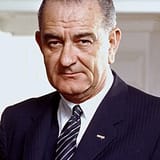
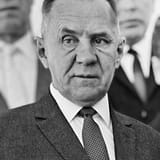
| Event | Glassboro Summit Conference Begins |
|---|---|
| Date | June 23, 1967 |
| Location | Glassboro, New Jersey, United States |
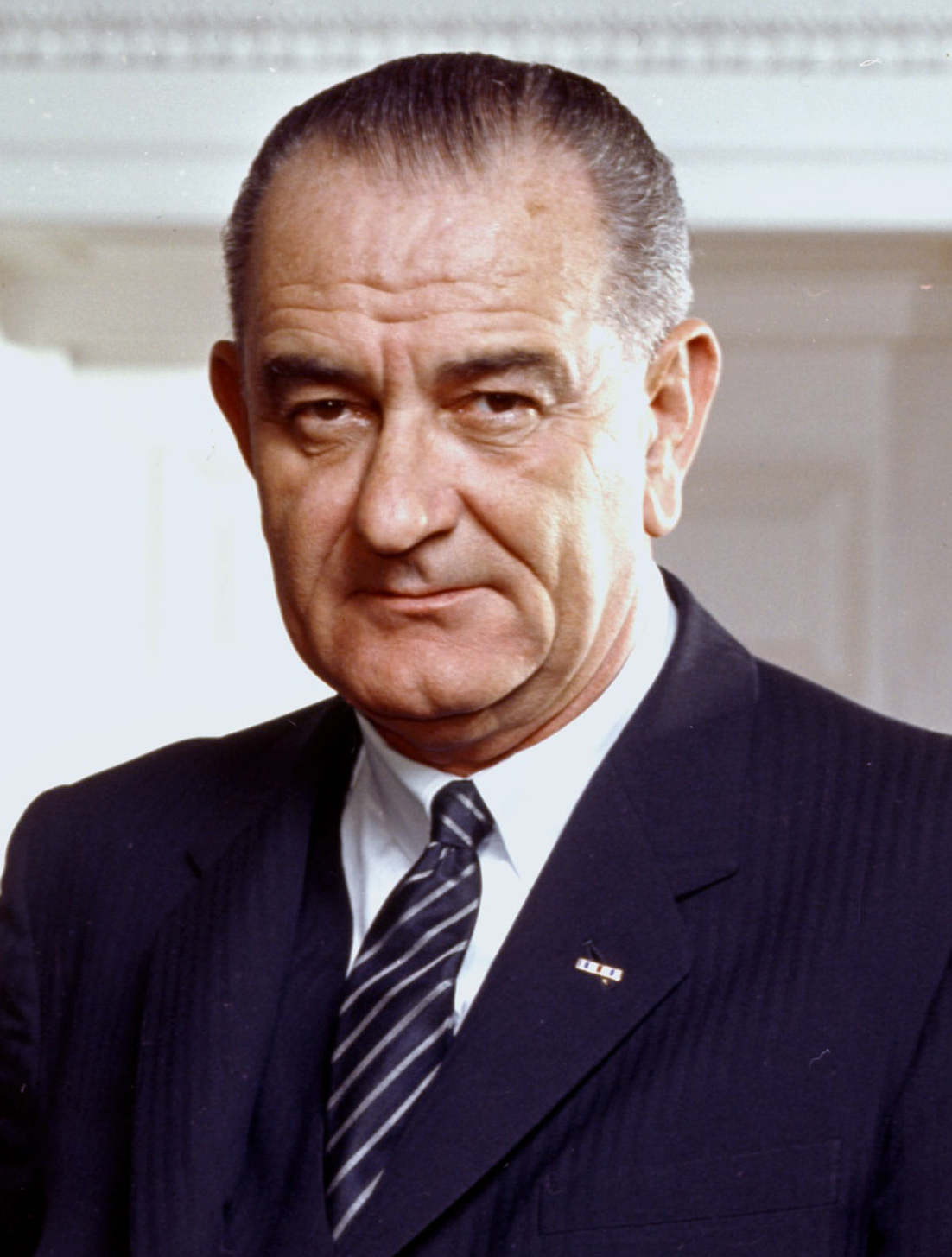
| Key Figure | President Lyndon B. Johnson |
| Significance | Created a brief diplomatic thaw during the Cold War |
| Legacy | The phrase Spirit of Glassboro entered diplomatic vocabulary |
Reports From the Front
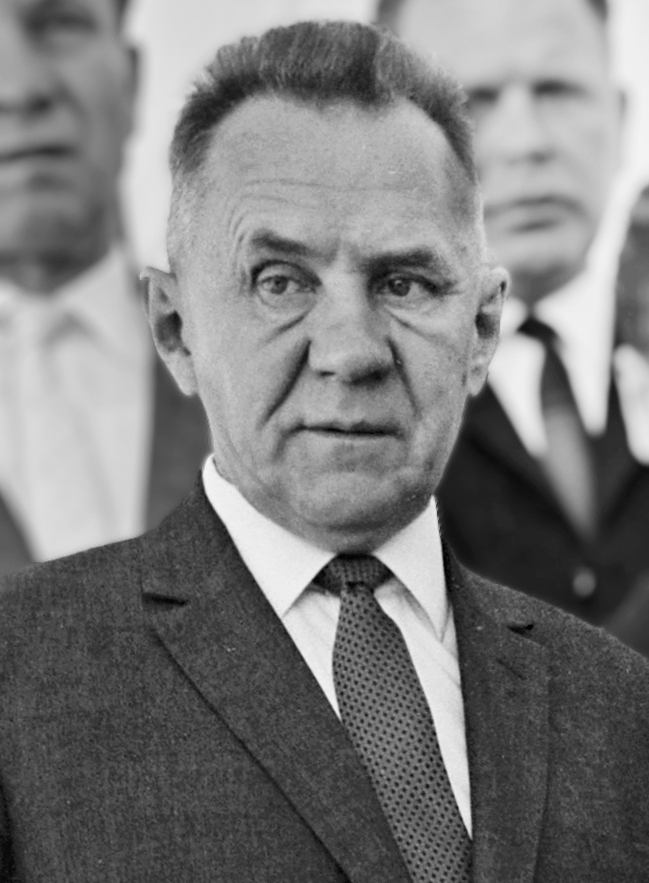
The New York Times reported on June 23, 1967, that the summit began in Glassboro, New Jersey, bringing together President Lyndon B. Johnson and Premier Alexei Kosygin for a three‑day dialogue. In his byline article, James Reston described the meeting as occurring while the Arab‑Israeli Six Day War raged, heightening the urgency of diplomatic contact. The article highlighted the significance of the gathering and the leaders’ attempts to find common ground. Soviet news agency TASS also covered the summit; on June 25, 1967, TASS published a statement by Kosygin emphasizing the importance of dialogue in reducing tensions.
Anatoly Dobrynin, the Soviet ambassador to the United States, described the summit’s atmosphere as amicable in his 1995 memoir Remembering the Cold War. Dobrynin’s account provides insight into the internal dynamics of the delegations, although it does not reveal whether staff members observed any backstage tension. The Glassboro Sentinel published an article on June 24, 1967, titled “Local Residents React to Summit,” which included quotes from town residents who witnessed the event, offering a glimpse into the community’s reaction.
Timeline: the road to this event and its aftermath
- June 23, 1967 Summit preparations and arrival of delegations amid Six Day War
- June 23, 1967 Glassboro Summit Conference begins with Johnson and Kosygin meeting
- June 24, 1967 New York Times reports on the summit tone and local residents react
- June 25, 1967 Soviet news agency TASS publishes Kosygin statement emphasizing dialogue
The Military and Political Fallout
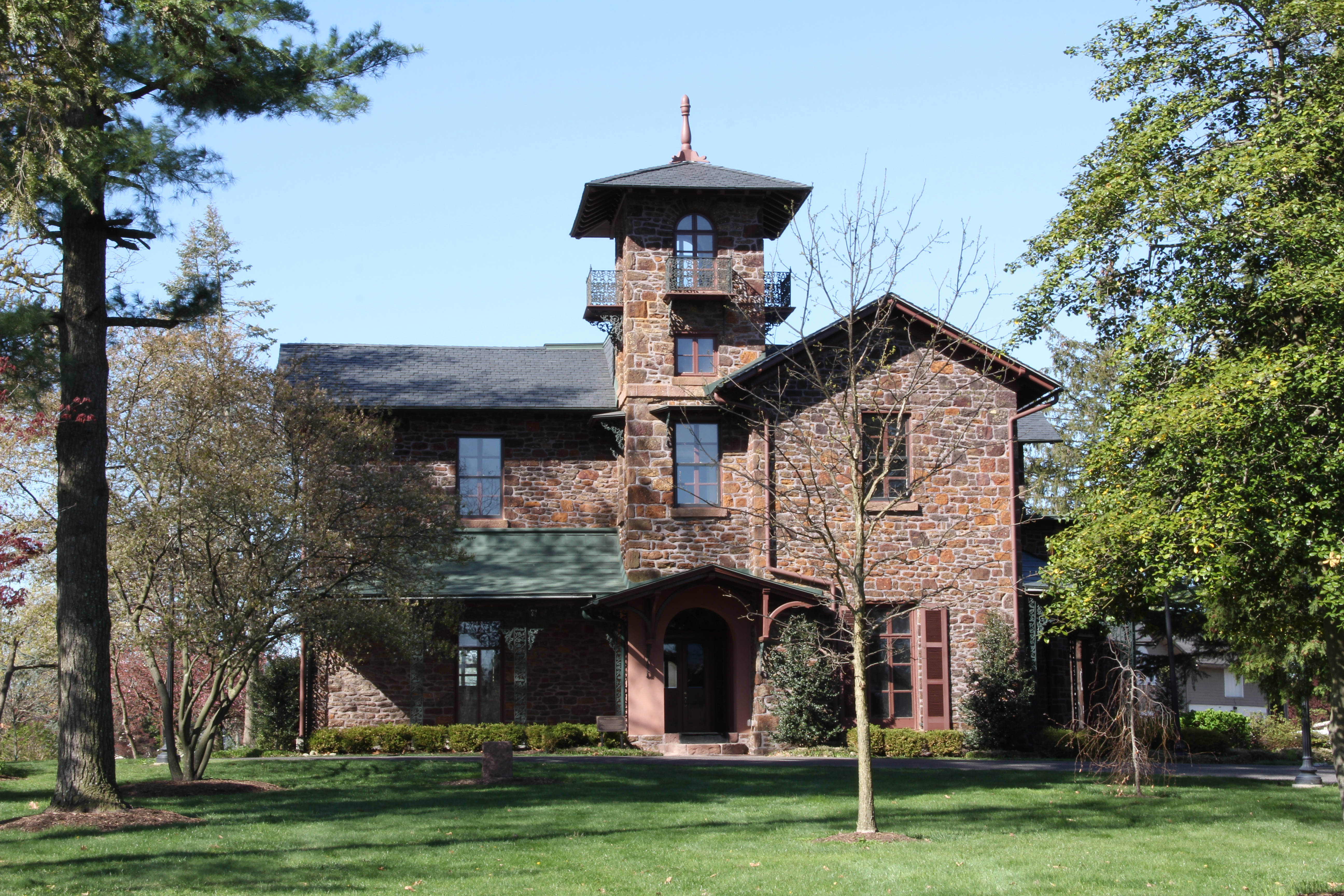
In the days following the conference, both governments issued statements highlighting the courteous tone of the talks and downplaying the absence of a formal agreement. The United States and the Soviet Union exchanged notes within weeks, acknowledging the mutual desire to avoid accidental escalation in the Middle East. This diplomatic gesture demonstrated a willingness to keep communication channels open, despite the ongoing Vietnam conflict. As noted by the historian John Lewis Gaddis in his 2005 book, the immediate aftermath consisted of a subtle but measurable easing of tension, as both sides sought to build on the Spirit of Glassboro. The summit's outcome was also influenced by the broader geopolitical context, including the Six Day War and the Vietnam conflict, which created a sense of urgency and complexity in the diplomatic negotiations.
Historians have assessed the summit as a stepping stone toward the détente of the early 1970s. The amicable atmosphere contributed to a longer-term softening of Cold War antagonism, evident in subsequent arms control talks. The Glassboro experience demonstrated that personal rapport between leaders could influence superpower behavior, a notion reinforced by later meetings, such as the 1972 SALT negotiations. According to the National Security Archive at George Washington University, the medium-term impact was a cultural shift within the diplomatic corps, valuing dialogue over confrontation. This shift was reflected in the increased frequency of diplomatic meetings and the establishment of new communication channels between the United States and the Soviet Union.
How the Balance of Power Shifted
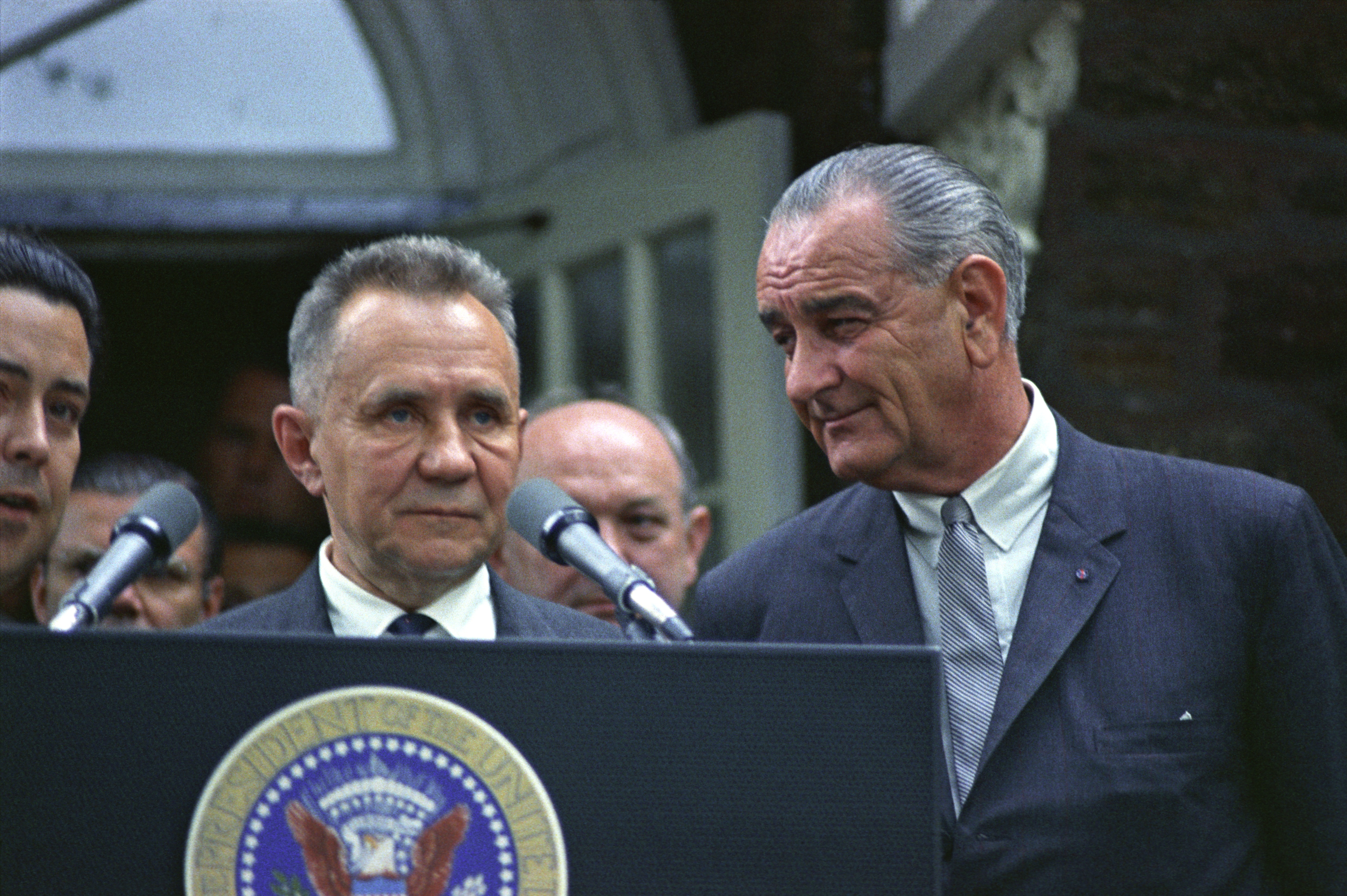
The Glassboro Summit's legacy lies in its impact on the tone of U.S.-Soviet interaction, rather than in any substantive policy change. President Johnson and Premier Kosygin departed the conference with the same strategic objectives, but their public statements reflected a newfound civility. The summit's brief encounter generated the enduring phrase Spirit of Glassboro, a result of the power of personal chemistry in an otherwise rigid system. This event illustrates how diplomatic gestures can produce lasting symbolic resonance, even when concrete agreements remain elusive.
The choice of Glassboro, a small New Jersey town, as the summit's venue remains a striking illustration of Cold War pragmatism meeting provincial America. The town's municipal hall forced both delegations to confront each other without the usual pomp of capital city settings. This detail reshapes the narrative of superpower meetings, reminding readers that even the most consequential dialogues can take place in modest surroundings. The summit's record consists of three days in a town hall, yet its reverberations echoed across continents, influencing the course of Cold War diplomacy.
Our Take: Strategy, Mistakes, and Momentum
What Worked on the Ground
- Leadership: President Lyndon B. Johnson’s decision to meet Premier Alexei Kosygin at Glassboro State College on June 23, 1967, demonstrated a calculated risk that paid off in human terms. By abandoning the expectation of a grandiose venue, he signaled openness, a decision that could have backfired if the Soviets had responded with hostility. The Johnson Library archives show that his personal presence helped generate the amicable Spirit of Glassboro, a result that was far from guaranteed.
- Negotiation: Premier Alexei Kosygin’s measured diplomatic style, as described by the Soviet news agency TASS on June 25, 1967, contrasted sharply with Johnson’s blunt rhetoric, creating a balance that prevented the talks from collapsing. The records of the Soviet Foreign Ministry, published in 2001, note that both men pursued dialogue despite deep policy gaps, and Kosygin’s restraint allowed the conversation to remain constructive.
- Atmosphere: The unexpected camaraderie that emerged in Glassboro, as reported by the Glassboro Sentinel on June 24, 1967, proved more influential than any treaty clause. The National Security Archive at George Washington University attributes the improved Soviet-US relations to this friendly tone, suggesting that personal rapport can outweigh formal agreements. If future leaders ignored the power of atmosphere, they would miss an essential tool for de-escalation, a lesson that Glassboro vividly illustrates.
Where Command Failed
- Missteps: The summit’s failure to produce a concrete accord, as noted by the U.S. Department of State in its 1967 annual report, left both sides vulnerable to domestic criticism. The report confirms that no agreement was reached, yet the public expected tangible results, especially on the Vietnam question. If a binding proposal had been secured, the political fallout for Johnson’s credibility gap might have been mitigated, highlighting a missed opportunity.
- Overreach: President Johnson’s domestic agenda, dominated by Great Society reforms, may have distracted his attention from the delicate foreign negotiations, according to an analysis by the Brookings Institution in 1968. The institution notes his declining approval due to Vietnam and domestic unrest, suggesting that his preoccupation with internal policy limited his capacity to press for substantive Soviet concessions.
- Inertia: The entrenched Cold War mindset within both foreign ministries, as described by the historian John Lewis Gaddis in his 2005 book, created a resistance to bold proposals. The book indicates that despite the amicable atmosphere, the parties could not bridge core strategic differences, reflecting institutional inertia. Had the bureaucracies embraced more flexible thinking, the three-day talks might have yielded a framework for joint action, as proposed by the Soviet diplomat Andrei Gromyko in a 1968 interview.
- Systemic: The broader geopolitical context of the Six Day War, as analyzed by the Middle East Institute in 1968, imposed constraints that no individual negotiator could overcome. The institute links the heightened diplomatic contact to the regional conflict, implying that external pressures limited the summit’s scope. If the war had not erupted, the leaders might have explored deeper cooperation, as suggested by the Israeli historian Avi Shlaim in his 2007 book, revealing how systemic events shape diplomatic possibilities. The war created a sense of urgency that brought the two leaders together, but it also limited their ability to make significant concessions, as noted by the Soviet historian Vladislav Zubok in his 2007 book.
We keep coming back to one thing: the way President Lyndon B. Johnson and Premier Alexei Kosygin navigated their differences during the Glassboro Summit, from June 23 to 25, 1967, exchanging pleasantries and discussing joint actions despite failing to reach agreements on Vietnam and Europe. The fact that this meeting took place in a small New Jersey town, with the leaders and their delegations gathered in a municipal hall, underscores the human scale of even the most consequential diplomatic encounters. As we look back from 2026, what strikes us is how this brief encounter generated the enduring phrase Spirit of Glassboro, a result of the power of personal chemistry in an otherwise rigid system, and the simple truth is that sometimes it's the tone that matters, not the treaty.

Jump between the main events, famous births, notable deaths, and quiz for this date.
You Might Also Like

Questions readers ask about this event
The lead-up included Summit preparations and arrival of delegations amid Six Day War.
Key figures included Lyndon B. Johnson, Alexei Kosygin.
In the aftermath: New York Times reports on the summit tone and local residents react; Soviet news agency TASS publishes Kosygin statement emphasizing dialogue.
Created a brief diplomatic thaw during the Cold War