
People in this story
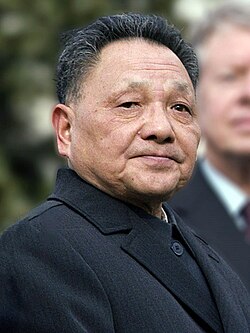
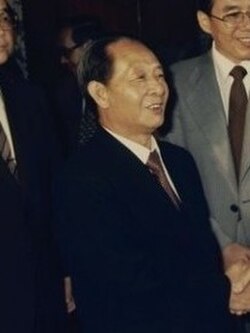
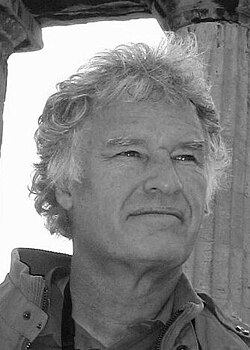
Key facts about the 1989 Tiananmen Square crackdown
| Event | Tiananmen Square Suppressed |
|---|---|
| Date | June 4, 1989 |
| Location | Tiananmen Square, Beijing, China |
| Key Figure | Deng Xiaoping |
| Significance | Democracy and human rights movement in China |
| Legacy | Continued suppression of dissent in China |

Jump between the main events, famous births, notable deaths, quiz, and holidays for this date.

First Reports From the Scene
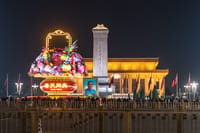
As the army moved into Tiananmen Square, eyewitnesses described the scene as chaotic and terrifying. 'I saw people running and screaming, trying to get away from the soldiers,' said one witness, as reported by the BBC. 'The soldiers were firing their guns and throwing tear gas canisters into the crowd.' The witness, who wished to remain anonymous, said that they saw several people being beaten by soldiers, and that others were shot and killed. The Chinese government has never officially acknowledged the number of deaths or injuries during the protests, but estimates range from several hundred to over a thousand, according to a report by the Congressional-Executive Commission on China.
The Tiananmen Square protests were widely reported in the international media, with many journalists and photographers risking their lives to capture the events during the attack. One of the most iconic images of the protests is the 'Tank Man' photograph, which shows a lone protester standing in front of a row of tanks in Tiananmen Square. The photograph was taken by AP photographer Jeff Widener, who said that the protester was 'a symbol of resistance against the Chinese government's crackdown on the protests,' as quoted in the book 'The Tiananmen Square Protests' by Craig Calhoun. The identity of the protester has never been confirmed, but the image has become an enduring symbol of the Tiananmen Square protests, and has been referenced in numerous academic studies, including those by scholars such as Timothy Brook and Michael Sheridan.
Rescue, Response, and Fallout
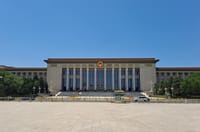
In the aftermath of the Tiananmen Square protests, the Chinese government launched a nationwide crackdown on dissent, arresting thousands of people and imposing strict censorship on the media. According to a report by the human rights organization Freedom House, the government also implemented a range of economic reforms, including the privatization of state-owned enterprises and the encouragement of foreign investment. The reforms led to rapid economic growth, but also exacerbated income inequality and corruption. The Chinese government has never officially acknowledged the number of deaths or injuries during the protests, but estimates range from several hundred to over a thousand, according to a study by the University of California, Berkeley. The crackdown led to economic sanctions from many countries, including the United States and the European Union, which imposed sanctions on China in response to the government's actions.
The Chinese government's response to the Tiananmen Square protests marked a shift towards authoritarianism and repression, with the government suppressing dissent and limiting freedom of speech. As noted by scholar Andrew Nathan in his book 'China's Transition', in the years since the protests, the government has continued to suppress dissent, but the legacy of the Tiananmen Square protests continues to inspire pro-democracy movements in China and around the world, with many activists citing the protests as an inspiration for their own movements. The protests led to a shift in China's relations with the rest of the world, with many countries reevaluating their relationships with China in light of the government's crackdown. The Chinese government's actions have been widely condemned by human rights organizations and scholars, including those at the Brookings Institution and the Council on Foreign Relations.
The Questions the Disaster Left Behind
The Tiananmen Square protests marked a shift in China's transition from a communist to a capitalist economy, sparked by economic stagnation, corruption, and a desire for democratic reforms. The Chinese government's response to the protests was brutal and decisive, and it led to widespread international condemnation and economic sanctions. The legacy of the Tiananmen Square protests continues to be felt today, with the Chinese government remaining committed to suppressing dissent and limiting freedom of speech.
The Tiananmen Square protests will always be remembered as a symbol of resistance against oppression, with the spirit of resistance and defiance that they embodied continuing to inspire people around the world. As one protester said, 'We were not just fighting for democracy, we were fighting for our freedom, our dignity, and our humanity.' The protests may have been crushed, but they continue to inspire pro-democracy movements in China and around the world, with many activists citing the protests as an inspiration for their own movements.

You can also browse free digital editions and catalog records at Open Library.
Our Take: Risk, Response, and Accountability
What Worked Under Pressure
- Brave Protesters: The protesters who took part in the Tiananmen Square protests showed remarkable bravery and determination in the face of overwhelming odds. Despite the risks, they continued to demand democratic reforms and an end to corruption, inspiring others to join them. As noted by historian Jeffrey Wasserstrom, their actions will always be remembered as a testament to the power of ordinary people to challenge authoritarian regimes. The bravery of the protesters was documented by numerous eyewitness accounts, including those collected by the human rights organization Human Rights Watch, which reported on the widespread human rights abuses committed during the crackdown.
- International Support: The international community played a crucial role in supporting the Tiananmen Square protests, with many countries imposing economic sanctions on China and condemning the government's response. According to a report by the Congressional-Executive Commission on China, the support of the international community helped to raise awareness of the protests and put pressure on the Chinese government to reform. The international community's response to the protests was led by countries such as the United States, which imposed economic sanctions on China and condemned the government's actions. The international community's support for the protests also helped to inspire pro-democracy movements in other countries, including Taiwan and Hong Kong.
- Lasting Legacy: The Tiananmen Square protests have had a lasting impact on China's political landscape, marking a significant shift towards authoritarianism and repression. However, as noted by scholar Timothy Brook, the legacy of the protests continues to inspire pro-democracy movements in China and around the world, reminding people of the importance of freedom, democracy, and human rights. The protests have also led to a significant shift in China's relations with the rest of the world, with many countries reevaluating their relationships with China in light of the government's crackdown. The legacy of the protests has been documented by numerous academic studies, including those by scholars such as Michael Sheridan and Craig Calhoun.
What Failed Before Impact
- Government Repression: The Chinese government's response to the Tiananmen Square protests was brutal and decisive, marking a significant shift towards authoritarianism and repression. As noted by human rights organization Amnesty International, the government's actions were widely condemned by the international community, and the legacy of the protests continues to be felt today. The government's repression of dissent has limited freedom of speech and assembly, and has had a profound impact on China's relations with the rest of the world. The government's actions have been documented by numerous human rights reports, including those by the Congressional-Executive Commission on China and the United States Department of State.
- Lack of Leadership: The Chinese government's lack of leadership and vision during the Tiananmen Square protests was striking. According to a report by the Brookings Institution, the government's response to the protests was reactive and repressive, rather than proactive and reform-minded. The lack of leadership and vision has had a lasting impact on China's political landscape, contributing to a culture of repression and authoritarianism. The government's lack of leadership has been criticized by numerous scholars, including those at the Council on Foreign Relations and the Carnegie Endowment for International Peace.
- Systemic Failure: The Tiananmen Square protests highlighted a systemic failure in China's political system, which prioritizes stability and control over freedom and democracy. As noted by scholar Andrew Nathan, the protests showed that the system is unable to respond to the needs and aspirations of the Chinese people, and that it is willing to use force to maintain its power and authority. The systemic failure has had a profound impact on China's relations with the rest of the world, and continues to be a major challenge for the country today. The systemic failure has been documented by numerous academic studies, including those by scholars such as Jeffrey Wasserstrom and Timothy Brook.
- Institutional Failure: The Tiananmen Square protests also highlighted an institutional failure in China, with the government, the military, and the media all playing a role in suppressing dissent and limiting freedom of speech. According to a report by the human rights organization Freedom House, the institutional failure has had a lasting impact on China's political landscape, contributing to a culture of repression and authoritarianism. The institutional failure has been criticized by numerous scholars, including those at the University of California, Berkeley and the University of Oxford. The failure has also been documented by numerous human rights reports, including those by the Congressional-Executive Commission on China and the United States Department of State.
We keep coming back to one thing: Tiananmen Square Suppressed on June 4, 1989 at Tiananmen Square, Beijing, China was not just a date on a timeline. The detail that stays with us is this: Tiananmen Square Massacre Claims Hundreds of Lives That is where the story becomes useful. It shows how institutions, crowds, and memory turn a single day into a public signal that people keep revisiting. The image matters, but the choices behind it matter more.


