
Explore this event
 The wider storyWhy did the Union Pacific Railroad hire Chinese miners in Rock Springs?The Union Pacific Coal Department prioritized hiring Chinese miners because they accepted lower wages than European counterparts. This economic strategy fueled racial prejudice and labor tension in Rock Springs…Read the full history
 Key facts about the Rock Springs massacre
| Event | White miners attack Chinese workers in Rock Springs |
|---|---|
| Date | September 2, 1885 |
| Location | Rock Springs, Wyoming |
| Key Figure | Knights of Labor |
| Source Detail | 150 white miners attacked Chinese workers |
| Confirmed Outcome | 28 Chinese miners killed |




First Reports From the Scene

The violence in Rock Springs was driven by racial prejudice and economic competition. The Union Pacific Coal Department found it economically beneficial to hire Chinese miners who were willing to work for lower wages. Most of the rioters were members of this local group. The record does not provide specific eyewitness accounts of the moment the attack began, but it details the scale of the destruction. The burning of 78 homes and the death of 28 miners are documented facts. The absence of prosecutions for these crimes is a notable feature of the historical record, highlighting a lack of legal accountability for the perpetrators.
The aftermath of the event is documented through the actions of military and local authorities. United States Army troops were deployed to Rock Springs immediately following the riot. Their role included escorting the surviving Chinese miners back to the city a week later. The record leaves unresolved the specific motivations of individual rioters beyond the general context of anti-Chinese sentiment. It also does not detail the specific interactions between the troops and the miners during the escort. The property damage is quantified at 150,000 dollars, which is equivalent to 4,800,000 dollars in 2025 terms. The event is described as one among several instances of violence stemming from years of anti-Chinese sentiment in the United States.
Timeline: the road to Rock Springs and its aftermath
- 1882 The Chinese Exclusion Act suspended Chinese immigration for ten years
- 1883 The Knights of Labor formed a chapter in Rock Springs
- September 2, 1885 White miners attacked Chinese workers in Rock Springs
- September 9, 1885 United States Army troops escorted surviving Chinese miners back to Rock Springs
- September 1885 The local newspaper in Rock Springs endorsed the outcome of the event
Rescue, Response, and Fallout

The immediate aftermath of Rock Springs began as soon as events on September 2, 1885 were over. Following the violence, United States Army troops arrived in Rock Springs to manage the immediate situation. The returning workers found that their homes had been destroyed and that bodies remained in the streets. The coal company, owned by the Union Pacific Railroad, expected the miners to bury their dead and resume work. The survivors were forced to live in railroad boxcars until new housing could be constructed. This period of displacement highlighted the severe disruption to the community. The presence of the army marked a significant intervention in local affairs. The return of the miners to a devastated area underscored the scale of the destruction. The company's demand for immediate labor return added pressure to the already traumatized workers. This sequence of events defined the immediate post-riot reality in the region.
Legal proceedings following the massacre revealed a distinct lack of accountability for the perpetrators. The local newspaper in Rock Springs endorsed the outcome of the event, reflecting a segment of the community's view. The absence of legal consequences for the rioters stands out in the historical record. The legal vacuum following the event meant that the victims received no formal justice. This lack of prosecution contributed to the broader context of anti-Chinese sentiment. The response from local institutions varied, with some endorsing the violence and others showing limited sympathy for the attackers' motives.
The Questions the Disaster Left Behind

The event occurred on September 2, 1885, in Sweetwater County, involving approximately 150 white miners attacking their Chinese colleagues. The death toll of at least 28 Chinese miners and the injury of 15 others mark the human cost of this violence. The event remains a documented case of racial and economic conflict in the American West.
The historical record details the specific conditions that preceded the violence in Rock Springs. The increase in Chinese immigration coincided with rising anti-Chinese sentiment among white Americans. The Knights of Labor, a prominent voice against Chinese immigrant labor, had a chapter in Rock Springs since 1883. The massacre touched off a wave of anti-Chinese violence, especially in the Puget Sound area of Washington Territory. The lack of prosecutions for the murders and property destruction is a notable feature of the record. The event is described as a result of deep-seated tensions in the late nineteenth century. The specific details of the attack and its aftermath are well documented in historical accounts.
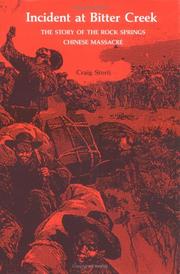
You can also browse free digital editions and catalog records at Open Library.
Analysis: Rock Springs massacre
What the evidence supports and leaves unresolved
What the record supports
- Precise Casualty Documentation: The historical record provides specific figures for the violence in Rock Springs, noting that at least 28 Chinese miners were killed and 15 were injured during the attack on September 2, 1885. The source also specifies that 78 Chinese homes were burned, resulting in property damage estimated at 150,000 dollars. These concrete numbers anchor the event in measurable reality rather than vague descriptions of chaos.
- Clear Economic Context: The source material explicitly links the violence to economic factors, stating that the Union Pacific Coal Department found it beneficial to hire Chinese miners who accepted lower wages. This preference angered existing white miners who felt their jobs were threatened. The record identifies the Knights of Labor, which formed a chapter in Rock Springs in 1883, as the organization containing most of the rioters. This connection between labor economics and racial prejudice is clearly documented.
- Military Response Detail: The aftermath section details the deployment of United States Army troops to Rock Springs immediately following the riot. The source specifies that these troops escorted surviving Chinese miners, who had fled to Evanston, back to Rock Springs one week after the violence. This action is recorded with specific timing and location, providing a clear picture of the immediate institutional response to the massacre and the displacement of the victims.
Limits and unresolved questions
- Absence of Legal Accountability: Despite the identification of the perpetrators involved in the Rock Springs massacre, no individuals were prosecuted for the murders or the property destruction. This lack of legal consequence is a significant limitation in the historical record of justice. The absence of trials or punishments for the 150 white miners who attacked their Chinese colleagues highlights a failure of the legal system to address the violence.
- Unclear Organizational Liability: While most rioters were members of the local Knights of Labor chapter, the source states that no direct connection was ever established linking the riot to the national Knights of Labor organization. This ambiguity leaves the extent of institutional responsibility unresolved. Most Chinese immigrants to Wyoming Territory took jobs with the railroad at first, but many ended up employed in coal mines owned by the Union Pacific Railroad.
- Limited Eyewitness Accounts: In the Rock Springs massacre source record, the historical record lacks specific eyewitness accounts detailing the moment the attack began or the specific interactions between the rioters and the victims. While the source describes the aftermath, including the condition of the bodies and the destroyed homes, it does not provide narrative details from the perspective of those present during the initial violence. This absence limits the understanding of the immediate dynamics of the massacre.
The Rock Springs massacre of September 2, 1885, represents a stark example of racial and economic conflict in the American West. The source material provides a detailed account of the violence, including the death of 28 Chinese miners and the destruction of 78 homes. The involvement of the Knights of Labor and the economic policies of the Union Pacific Railroad are clearly documented. However, the record also highlights significant failures, particularly the lack of prosecutions for the perpetrators. The deployment of United States Army troops to escort survivors back to Rock Springs is a notable detail, but the absence of legal accountability remains a critical aspect of this historical event. The source does not provide specific eyewitness narratives of the attack itself, leaving some details of the violence undocumented.
Evidence Map: How We Checked the Central Claim
What the sources verify and how they were used
This comparison separates the event page selected for the account from the independently verified page used to corroborate it.
Central claim checked: Rock Springs massacre: In Rock Springs, Wyoming, 150 white miners, who are struggling to unionize so they could strike for better wages and work conditions, attack their Chinese fellow workers, killing 28, wounding 15 and forcing several hundred more out of town.
| Direct source | Verification role | Coverage |
|---|---|---|
| Rock Springs massacre · Wikipedia Accessed 2026-09-01 | Selected event record | Supports the central claim shown above. |
| The Rock Springs Massacre · wyohistory.org Accessed 2026-09-01 | Independent corroboration | Supports the central claim shown above. |
You Might Also Like



What caused the Rock Springs massacre?
The lead-up included The Chinese Exclusion Act suspended Chinese immigration for ten years; The Knights of Labor formed a chapter in Rock Springs.
In the aftermath: United States Army troops escorted surviving Chinese miners back to Rock Springs; The local newspaper in Rock Springs endorsed the outcome of the event.
The historical record provides specific figures for the violence in Rock Springs, noting that at least 28 Chinese miners were killed and 15 were injured during the attack on September 2, 1885.